Vaishnavi Engineering — Verified Supplier
About Vaishnavi Engineering - Pipe Fittings Supplier in India
Vaishnavi Engineering is based in India and is listed as an imported supplier on the platform. The company currently lists five distinct products in its catalogue. These products include pipe clamps, forged fittings, pipe fittings, oil seals, and valves & pipe fittings. All items are classified under metal hardware typically used in piping and fluid‑handling systems. The supplier’s tier is recorded as “harbor,” indicating a moderate level of verification.
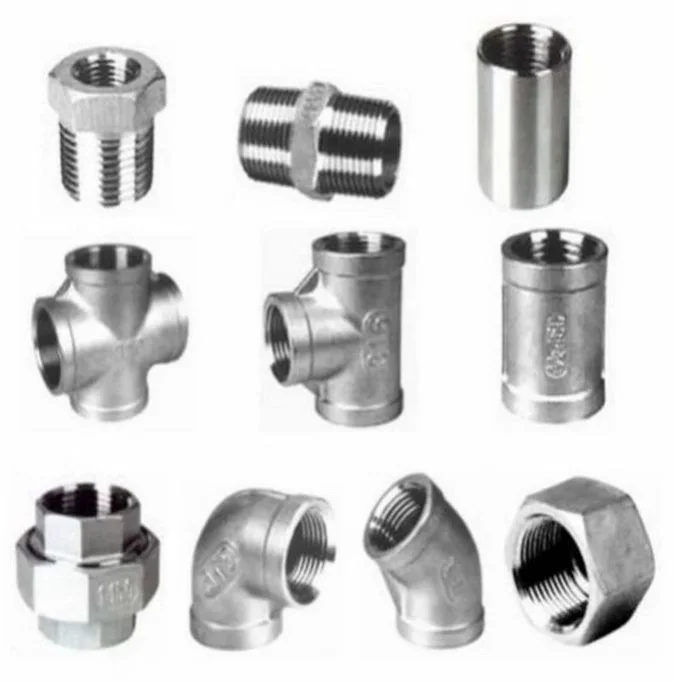
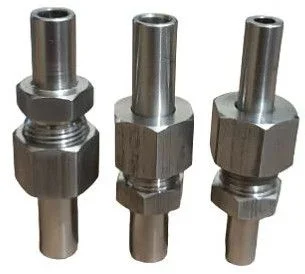
The pipe clamp offering is designed for securing pipelines and is commonly supplied in carbon steel or stainless‑steel grades. Forged fittings and pipe fittings are usually produced to ASTM A234/A105 or EN 10253 specifications for pressure‑rated applications. Oil seals listed by the supplier are generally made from nitrile or fluorocarbon elastomers suitable for rotating shafts. Valves and the combined valves & pipe fittings category typically cover ball, gate, and globe designs with pressure classes ranging from PN10 to PN40. While the catalogue does not specify HS codes, these product types normally fall within HS Chapter 73 for iron and steel articles.
Product Range and Specialties of Vaishnavi Engineering
The catalogue from Vaishnavi Engineering comprises pipe clamps, forged fittings, pipe fittings, oil seals, and a combined line of valves & pipe fittings. Pipe clamps are offered in sizes from DN15 to DN200 and are intended for static pipe support. Forged and welded pipe fittings cover elbows, tees, reducers and are supplied in DN15‑DN300 ranges. Oil seals are described for shaft diameters up to 100 mm and are compatible with temperatures from - 20 °C to 200 °C. Valves include common ball, gate and globe types, typically rated PN10‑PN40 and sized DN50‑DN250.
In the broader industry, pipe clamps are usually manufactured to meet ISO 898‑1 tensile strength requirements, while forged fittings are inspected against API 6A or ASME B16.34 pressure‑class standards. Pipe fittings often carry mill test reports confirming compliance with ASTM A234 (for carbon steel) or ASTM A403 (for stainless steel). Oil seals are tested for hardness (Shore A 70‑90) and volumetric leakage at specified pressures. Valves are commonly certified under PED (EU Pressure Equipment Directive) or API 600 for gate valves, with face‑to‑face dimensions adhering to ISO 6703. Buyers typically request material test certificates, dimensional inspection reports and, where applicable, CE marking documentation.
Trade and Export Information - Vaishnavi Engineering
India is a major exporter of metal pipe components, with the bulk of shipments destined for the Middle East, Africa, Southeast Asia and parts of Europe. Exporters of pipe clamps, fittings and valves generally classify their goods under HS Chapter 73, which triggers routine customs inspections and may require a Certificate of Origin. Common buyer requirements include ISO 9001 quality‑management certification, PED or API conformity for pressure equipment, and, for stainless‑steel items, compliance with ASTM A312. Packaging for these metal parts is usually in wooden crates or steel pallets, often wrapped in polypropylene film to prevent corrosion during sea transit. Standard logistics involve 20‑ft or 40‑ft containers, with FOB or CIF incoterms being the most frequently used for Indian manufacturers.
Sourcing from Vaishnavi Engineering - Buyer Guidance
When sourcing from Vaishnavi Engineering, buyers should request a full mill test report (MTR) for each metal fitting, confirming chemical composition and mechanical properties such as tensile strength and hardness. For oil seals, a material safety data sheet (MSDS) and dimensional tolerance report are typical prerequisites. Verification of compliance with applicable standards - ASTM A234 for carbon‑steel fittings, API 6A for forged components, and ISO 9001 for the manufacturing system - helps assess product reliability. Buyers are advised to confirm packaging details (crate dimensions, wood treatment) and to arrange pre‑shipment inspection if required by the destination country’s customs regime. Typical minimum order quantities range from 500 to 1,000 units per size, with lead times of 4‑6 weeks once specifications are approved.
Frequently Asked Questions About Vaishnavi Engineering
What product categories are listed by Vaishnavi Engineering?
The supplier lists pipe clamps, forged fittings, pipe fittings, oil seals, and a combined line of valves & pipe fittings, totaling five distinct product types.
Which material grades are commonly used for the pipe clamps and fittings?
Pipe clamps are usually supplied in carbon‑steel or stainless‑steel grades, while forged and welded fittings are produced to ASTM A234/A105 (carbon steel) or ASTM A403 (stainless steel) specifications.
What certifications should a buyer request for these metal fittings?
Buyers should ask for ISO 9001 quality‑management certification, mill test reports confirming ASTM compliance, and, where pressure equipment is involved, PED or API certification.
What pressure classes and size ranges are typical for the valves offered?
The valves generally cover PN10 to PN40 pressure classes and are sized from DN50 up to DN250, with standard face‑to‑face dimensions following ISO 6703.
How are oil seals typically packaged for export?
Oil seals are usually packed in sealed, moisture‑resistant poly‑film bags, then placed in insulated wooden boxes or steel pallets to protect against deformation during sea transport.
What documentation is needed before placing an order?
Required documents include a mill test report, material safety data sheet, conformity certificates (e.g., CE or PED where applicable), and a detailed packing list specifying crate dimensions and wood treatment.
Which incoterms are most commonly used for shipping these products from India?
Exporters from India frequently use FOB (Free on Board) or CIF (Cost, Insurance, Freight) incoterms for metal pipe components, depending on the buyer’s preferred risk allocation.
What are typical lead times and minimum order quantities?
Lead times are usually 4‑6 weeks after final specifications are approved, and minimum order quantities commonly range from 500 to 1,000 units per size or model.




 , India