Troy Medical — Verified Supplier

About Troy Medical - Medical Devices Supplier in Poland

Poland hosts a catalogue of five medical device products from Troy Medical. The listed items include a bare metal stent, a drug eluting stent, a PTCA balloon, a diagnostic guidewire and a steerable guidewire. Each product falls under the HS chapter for medical apparatus (generally HS 90.18‑90.19) that covers surgical and diagnostic instruments. The supplier is classified as an imported tier with a harbor trust rating, indicating it operates through third‑party import channels. No additional product types or quantities are disclosed beyond the five active listings.

The product set reflects core interventional cardiology equipment. Stents are used to scaffold coronary arteries, balloons provide percutaneous transluminal coronary angioplasty, and guidewires enable navigation of catheters. The catalogue does not specify dimensions, materials or regulatory markings, but the items correspond to standard categories required in cardiac catheterisation suites worldwide.

Product Range and Specialties of Troy Medical

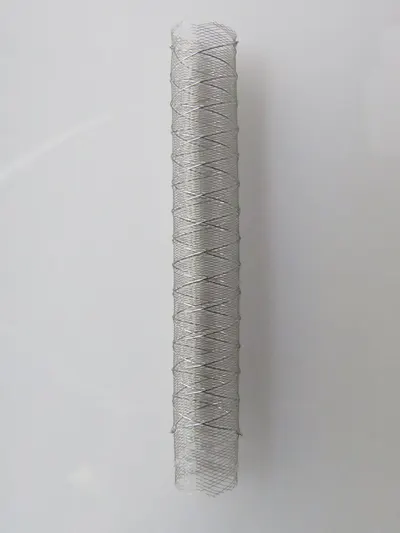
Troy Medical’s catalogue covers two stent families - a bare metal stent typically made from stainless steel or cobalt‑chromium alloy, and a drug eluting stent that incorporates a polymer coating loaded with antiproliferative agents such as sirolimus or paclitaxel. In the industry, bare metal stents are often rated by strut thickness (e.g., 80‑120 µm) and radial strength, while drug eluting variants are evaluated by drug release kinetics and polymer biocompatibility. The PTCA balloon is a non‑compliant or semi‑compliant device, commonly supplied in diameters from 2.0 mm to 4.0 mm and lengths of 12 - 20 mm, with rated burst pressures of 12 - 20 atm. Diagnostic guidewires usually feature a 0.014‑inch core, hydrophilic coating, and tip stiffness classifications (soft, medium, stiff). Steerable guidewires add a directional control mechanism and are often built with a stainless‑steel shaft and a polymer jacket, allowing precise navigation in tortuous vessels. Industry standards such as ISO 25539 (vascular devices) and ISO 10555 (guidewires) define the typical performance and safety criteria for these categories.

Trade and Export Information - Troy Medical

Poland, as an EU member, benefits from the EU Medical Devices Regulation (MDR) which requires CE marking for market access throughout Europe and is accepted by many third‑party markets. Exporters of cardiovascular devices from Poland commonly target the EU, United States, Middle East and North Africa, where demand for stents, angioplasty balloons and guidewires remains high. HS codes in the 90.18‑90.19 range are routinely inspected by customs authorities for compliance with safety documentation, including a Declaration of Conformity and test reports. Buyers typically request evidence of ISO 13485 quality‑management certification and, for U.S. imports, FDA 510(k) clearance. Shipping of sterile medical devices is usually performed in temperature‑controlled containers, with Incoterms such as CIF or DDP frequently used to manage freight and insurance responsibilities.

Sourcing from Troy Medical - Buyer Guidance

When sourcing from Troy Medical, buyers should ask for a current CE Declaration of Conformity, ISO 13485 certification and, where applicable, FDA 510(k) clearance documents. Product data sheets should detail material composition (e.g., stainless steel, cobalt‑chromium, polymer types), dimensional specifications (diameter, length, balloon pressure rating) and any drug‑coating information for the eluting stent. Requesting a pre‑shipment sample or a sterile test lot can verify packaging integrity, sterility assurance level and compliance with ISO 11607 packaging standards. Confirm the supplier’s lead time for each device, typical minimum order quantity (often expressed in packs of 10‑50 units) and the preferred packaging format (individual sterile pouches versus bulk trays).

Frequently Asked Questions About Troy Medical

What product categories does Troy Medical list?

The catalogue includes a bare metal stent, a drug eluting stent, a PTCA balloon, a diagnostic guidewire and a steerable guidewire, all classified under medical device HS chapters.

Which regulatory certifications should be verified for these devices?

Buyers should request CE marking documentation, ISO 13485 quality‑management certification and, for U.S. imports, FDA 510(k) clearance where applicable.

What typical specifications are relevant for the PTCA balloon?

Industry balloons are offered in diameters from 2.0 mm to 4.0 mm, lengths of 12‑20 mm, and rated burst pressures of 12‑20 atm, with non‑compliant or semi‑compliant construction.

How are guidewires usually specified?

Guidewires commonly have a 0.014‑inch core, hydrophilic coating, and tip stiffness options (soft, medium, stiff) defined by ISO 10555 performance tests.

What documentation is needed before placing an order?

Request the supplier’s Declaration of Conformity, product data sheets with material and dimension details, and recent test reports for sterility and mechanical performance.

What packaging and shipping formats are typical for these devices?

Sterile devices are usually packed in individual medical‑grade pouches or bulk trays complying with ISO 11607, and shipped in temperature‑controlled containers under Incoterms such as CIF or DDP.

What are common minimum order quantities and lead times?

For cardiovascular devices, MOQ often ranges from 10 to 50 units per item, with lead times of 4‑8 weeks depending on production scheduling and regulatory release.

Which regions are the main import markets for Polish cardiovascular devices?

Typical import markets include the European Union, United States, Middle East and North Africa, where hospitals and interventional cardiology centers source stents, balloons and guidewires.


Featured Products from this Supplier

EximNext
58.4K+ live requirements
Register Free🎁 5 free buy-lead credits
Post Requirement
🌍 Trusted by 224.4K+ businesses in 200+ countries|
58.4K+ active requirements right now
✉️ [email protected]
|
Sell on EximNextPost Requirement
EximNext
AgricultureApparelConstructionElectronicFoodHomeIndustrialMineralsMiscellaneous
🔥 Deals|✨ AI Match|🏭 Suppliers|📋 Buy Leads|💰 Trade Finance|⭐ Upgrade
58.4K+ live RFQs·194.4K+ suppliers
🎁 5 free credits →
EximNext
EximNext
Register Free
🎁 5 free buy-lead credits
Sign In
📋Post Requirement💬Get QuotesAI Match📋RFQ Marketplace
All Categories
Services & Tools
🏭Supplier Directory🔥Today's Deals💰Trade FinanceMembership
Sell on EximNext
AboutContactBlogHelp
🏭

Troy Medical

Harbor
Country flag , Poland
🛡️
55/100
Trust Score

Troy Medical Product Catalog

Showing 5 of 5 products
View all products →
Steerable guidewire
Harbor
Steerable guidewire
Contact
MOQ: 1 Unit
Diagnostic guidewire
Harbor
Diagnostic guidewire
Contact
MOQ: 1 Unit
Ptca balloon
Harbor
Ptca balloon
Contact
MOQ: 1 Unit
Drug eluting stent
Harbor
Drug eluting stent
Contact
MOQ: 1 Unit
Bare metal stent
Harbor
Bare metal stent
Contact
MOQ: 1 Unit

About Troy Medical - Medical Devices Supplier in Poland

Poland hosts a catalogue of five medical device products from Troy Medical. The listed items include a bare metal stent, a drug eluting stent, a PTCA balloon, a diagnostic guidewire and a steerable guidewire. Each product falls under the HS chapter for medical apparatus (generally HS 90.18‑90.19) that covers surgical and diagnostic instruments. The supplier is classified as an imported tier with a harbor trust rating, indicating it operates through third‑party import channels. No additional product types or quantities are disclosed beyond the five active listings.

The product set reflects core interventional cardiology equipment. Stents are used to scaffold coronary arteries, balloons provide percutaneous transluminal coronary angioplasty, and guidewires enable navigation of catheters. The catalogue does not specify dimensions, materials or regulatory markings, but the items correspond to standard categories required in cardiac catheterisation suites worldwide.

Product Range and Specialties of Troy Medical

Troy Medical’s catalogue covers two stent families - a bare metal stent typically made from stainless steel or cobalt‑chromium alloy, and a drug eluting stent that incorporates a polymer coating loaded with antiproliferative agents such as sirolimus or paclitaxel. In the industry, bare metal stents are often rated by strut thickness (e.g., 80‑120 µm) and radial strength, while drug eluting variants are evaluated by drug release kinetics and polymer biocompatibility. The PTCA balloon is a non‑compliant or semi‑compliant device, commonly supplied in diameters from 2.0 mm to 4.0 mm and lengths of 12 - 20 mm, with rated burst pressures of 12 - 20 atm. Diagnostic guidewires usually feature a 0.014‑inch core, hydrophilic coating, and tip stiffness classifications (soft, medium, stiff). Steerable guidewires add a directional control mechanism and are often built with a stainless‑steel shaft and a polymer jacket, allowing precise navigation in tortuous vessels. Industry standards such as ISO 25539 (vascular devices) and ISO 10555 (guidewires) define the typical performance and safety criteria for these categories.

Trade and Export Information - Troy Medical

Poland, as an EU member, benefits from the EU Medical Devices Regulation (MDR) which requires CE marking for market access throughout Europe and is accepted by many third‑party markets. Exporters of cardiovascular devices from Poland commonly target the EU, United States, Middle East and North Africa, where demand for stents, angioplasty balloons and guidewires remains high. HS codes in the 90.18‑90.19 range are routinely inspected by customs authorities for compliance with safety documentation, including a Declaration of Conformity and test reports. Buyers typically request evidence of ISO 13485 quality‑management certification and, for U.S. imports, FDA 510(k) clearance. Shipping of sterile medical devices is usually performed in temperature‑controlled containers, with Incoterms such as CIF or DDP frequently used to manage freight and insurance responsibilities.

Sourcing from Troy Medical - Buyer Guidance

When sourcing from Troy Medical, buyers should ask for a current CE Declaration of Conformity, ISO 13485 certification and, where applicable, FDA 510(k) clearance documents. Product data sheets should detail material composition (e.g., stainless steel, cobalt‑chromium, polymer types), dimensional specifications (diameter, length, balloon pressure rating) and any drug‑coating information for the eluting stent. Requesting a pre‑shipment sample or a sterile test lot can verify packaging integrity, sterility assurance level and compliance with ISO 11607 packaging standards. Confirm the supplier’s lead time for each device, typical minimum order quantity (often expressed in packs of 10‑50 units) and the preferred packaging format (individual sterile pouches versus bulk trays).

Frequently Asked Questions About Troy Medical

What product categories does Troy Medical list?

The catalogue includes a bare metal stent, a drug eluting stent, a PTCA balloon, a diagnostic guidewire and a steerable guidewire, all classified under medical device HS chapters.

Which regulatory certifications should be verified for these devices?

Buyers should request CE marking documentation, ISO 13485 quality‑management certification and, for U.S. imports, FDA 510(k) clearance where applicable.

What typical specifications are relevant for the PTCA balloon?

Industry balloons are offered in diameters from 2.0 mm to 4.0 mm, lengths of 12‑20 mm, and rated burst pressures of 12‑20 atm, with non‑compliant or semi‑compliant construction.

How are guidewires usually specified?

Guidewires commonly have a 0.014‑inch core, hydrophilic coating, and tip stiffness options (soft, medium, stiff) defined by ISO 10555 performance tests.

What documentation is needed before placing an order?

Request the supplier’s Declaration of Conformity, product data sheets with material and dimension details, and recent test reports for sterility and mechanical performance.

What packaging and shipping formats are typical for these devices?

Sterile devices are usually packed in individual medical‑grade pouches or bulk trays complying with ISO 11607, and shipped in temperature‑controlled containers under Incoterms such as CIF or DDP.

What are common minimum order quantities and lead times?

For cardiovascular devices, MOQ often ranges from 10 to 50 units per item, with lead times of 4‑8 weeks depending on production scheduling and regulatory release.

Which regions are the main import markets for Polish cardiovascular devices?

Typical import markets include the European Union, United States, Middle East and North Africa, where hospitals and interventional cardiology centers source stents, balloons and guidewires.

About Troy Medical - Medical Devices Supplier in Poland

Poland hosts a catalogue of five medical device products from Troy Medical. The listed items include a bare metal stent, a drug eluting stent, a PTCA balloon, a diagnostic guidewire and a steerable guidewire. Each product falls under the HS chapter for medical apparatus (generally HS 90.18‑90.19) that covers surgical and diagnostic instruments. The supplier is classified as an imported tier with a harbor trust rating, indicating it operates through third‑party import channels. No additional product types or quantities are disclosed beyond the five active listings.

The product set reflects core interventional cardiology equipment. Stents are used to scaffold coronary arteries, balloons provide percutaneous transluminal coronary angioplasty, and guidewires enable navigation of catheters. The catalogue does not specify dimensions, materials or regulatory markings, but the items correspond to standard categories required in cardiac catheterisation suites worldwide.

Product Range and Specialties of Troy Medical

Troy Medical’s catalogue covers two stent families - a bare metal stent typically made from stainless steel or cobalt‑chromium alloy, and a drug eluting stent that incorporates a polymer coating loaded with antiproliferative agents such as sirolimus or paclitaxel. In the industry, bare metal stents are often rated by strut thickness (e.g., 80‑120 µm) and radial strength, while drug eluting variants are evaluated by drug release kinetics and polymer biocompatibility. The PTCA balloon is a non‑compliant or semi‑compliant device, commonly supplied in diameters from 2.0 mm to 4.0 mm and lengths of 12 - 20 mm, with rated burst pressures of 12 - 20 atm. Diagnostic guidewires usually feature a 0.014‑inch core, hydrophilic coating, and tip stiffness classifications (soft, medium, stiff). Steerable guidewires add a directional control mechanism and are often built with a stainless‑steel shaft and a polymer jacket, allowing precise navigation in tortuous vessels. Industry standards such as ISO 25539 (vascular devices) and ISO 10555 (guidewires) define the typical performance and safety criteria for these categories.

Trade and Export Information - Troy Medical

Poland, as an EU member, benefits from the EU Medical Devices Regulation (MDR) which requires CE marking for market access throughout Europe and is accepted by many third‑party markets. Exporters of cardiovascular devices from Poland commonly target the EU, United States, Middle East and North Africa, where demand for stents, angioplasty balloons and guidewires remains high. HS codes in the 90.18‑90.19 range are routinely inspected by customs authorities for compliance with safety documentation, including a Declaration of Conformity and test reports. Buyers typically request evidence of ISO 13485 quality‑management certification and, for U.S. imports, FDA 510(k) clearance. Shipping of sterile medical devices is usually performed in temperature‑controlled containers, with Incoterms such as CIF or DDP frequently used to manage freight and insurance responsibilities.

Sourcing from Troy Medical - Buyer Guidance

When sourcing from Troy Medical, buyers should ask for a current CE Declaration of Conformity, ISO 13485 certification and, where applicable, FDA 510(k) clearance documents. Product data sheets should detail material composition (e.g., stainless steel, cobalt‑chromium, polymer types), dimensional specifications (diameter, length, balloon pressure rating) and any drug‑coating information for the eluting stent. Requesting a pre‑shipment sample or a sterile test lot can verify packaging integrity, sterility assurance level and compliance with ISO 11607 packaging standards. Confirm the supplier’s lead time for each device, typical minimum order quantity (often expressed in packs of 10‑50 units) and the preferred packaging format (individual sterile pouches versus bulk trays).

Frequently Asked Questions About Troy Medical
What product categories does Troy Medical list?
The catalogue includes a bare metal stent, a drug eluting stent, a PTCA balloon, a diagnostic guidewire and a steerable guidewire, all classified under medical device HS chapters.
Which regulatory certifications should be verified for these devices?
Buyers should request CE marking documentation, ISO 13485 quality‑management certification and, for U.S. imports, FDA 510(k) clearance where applicable.
What typical specifications are relevant for the PTCA balloon?
Industry balloons are offered in diameters from 2.0 mm to 4.0 mm, lengths of 12‑20 mm, and rated burst pressures of 12‑20 atm, with non‑compliant or semi‑compliant construction.
How are guidewires usually specified?
Guidewires commonly have a 0.014‑inch core, hydrophilic coating, and tip stiffness options (soft, medium, stiff) defined by ISO 10555 performance tests.
What documentation is needed before placing an order?
Request the supplier’s Declaration of Conformity, product data sheets with material and dimension details, and recent test reports for sterility and mechanical performance.
What packaging and shipping formats are typical for these devices?
Sterile devices are usually packed in individual medical‑grade pouches or bulk trays complying with ISO 11607, and shipped in temperature‑controlled containers under Incoterms such as CIF or DDP.
What are common minimum order quantities and lead times?
For cardiovascular devices, MOQ often ranges from 10 to 50 units per item, with lead times of 4‑8 weeks depending on production scheduling and regulatory release.
Which regions are the main import markets for Polish cardiovascular devices?
Typical import markets include the European Union, United States, Middle East and North Africa, where hospitals and interventional cardiology centers source stents, balloons and guidewires.

🏭
Troy Medical
Country flag , Poland
Harbor
55/100
Trust Score
📦
5
Products
Free to contact — no commission
Escrow payment available
Verified business identity
Compare more suppliers
Post a requirement — get 10 quotes free
Let verified suppliers compete for your business. Free, fast, no commitment.
EximNext Verified Supplier
Business identity verified
Physical address confirmed
Financial history checked
Certifications authenticated
Trade references validated
Due Diligence
Verify this supplier's real shipping history.
Every shipment, every buyer, every port. Trade data that can't be faked.
Run due diligence →
Discover More

Related Suppliers & Products

Explore similar suppliers, related products and trending categories

Featured Products from this Supplier

Stay ahead in global trade
Weekly market insights & new supplier alerts.
EximNext
Exim Next is a leading global B2B marketplace, connecting over 205,000 verified suppliers and buyers across 200+ countries. As a trusted import export marketplace, it serves as the essential B2B portal for businesses worldwide, empowering them to expand their international reach. With Exim Next, businesses can trade smarter and grow faster.
SECURE PAYMENTS
VISAMastercardPayPalSWIFTL/CEscrow
Follow us
© 2026 EximNext