Agriculture›
 Apparel and fashion accessories›
 Construction & real estate›💡Electronic & Electrical›🍎Food & Beverages›🛋️Home furnishing & supplies›⚗️Industrial goods & chemical›🪨Minerals & metals›📦Miscellaneous›Agriculture›Apparel and fashion accessories›Construction & real estate›💡Electronic & Electrical›🍎Food & Beverages›🛋️Home furnishing & supplies›⚗️Industrial goods & chemical›🪨Minerals & metals›📦Miscellaneous›
Tipasa Company Limited Product Catalog

About Tipasa Company Limited - Canned Pineapple Supplier in Thailand
Thailand hosts Tipasa Company Limited, which currently lists six distinct products in its catalogue. The portfolio includes one food‑preserve item - canned pineapple - and five non‑food items centred on bamboo and recycled plastics. Each entry is recorded under the supplier’s imported tier, indicating that the goods are intended for outbound trade rather than domestic distribution. The active product count of six reflects a focused catalogue rather than a broad‑line offering, allowing buyers to evaluate each item against industry standards.
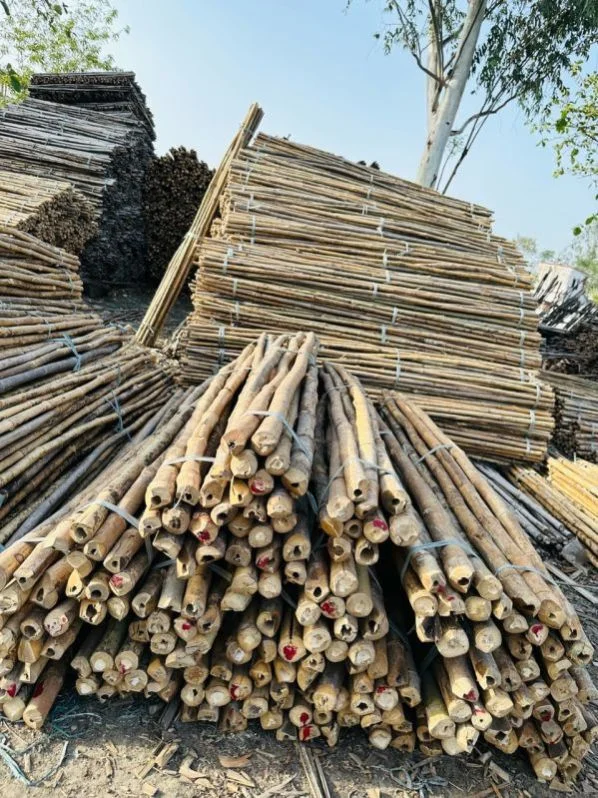
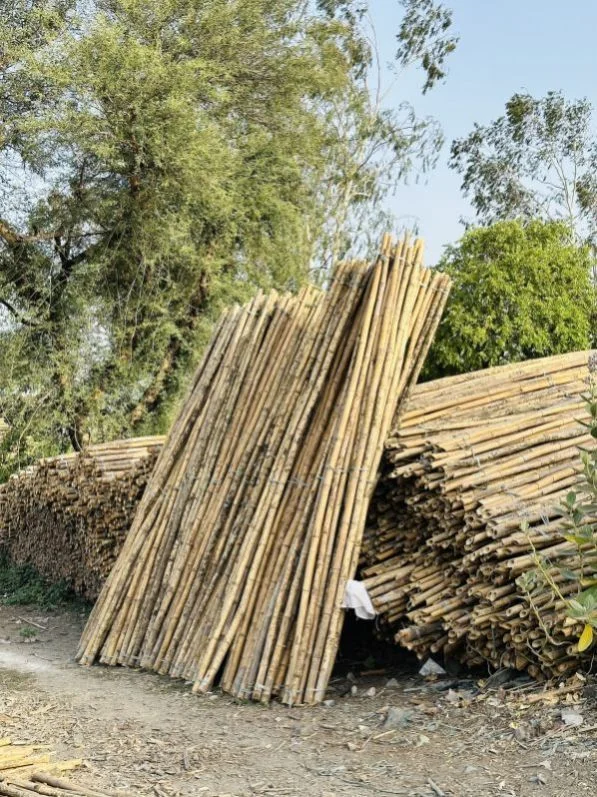
The company’s product set spans three material families: fresh‑fruit processing (canned pineapple), natural bamboo products (bamboo chopsticks, raw bamboo, skewers) and recycled thermoplastics (polypropylene and low‑density polyethylene pellets). Canned pineapple falls under the prepared‑fruit segment, while bamboo items are classified as wood‑based commodities used in food‑service and construction. The recycled pellets are raw polymer feedstocks for extrusion and molding, typically supplied in bulk bags for further manufacturing.
Product Range and Specialties of Tipasa Company Limited
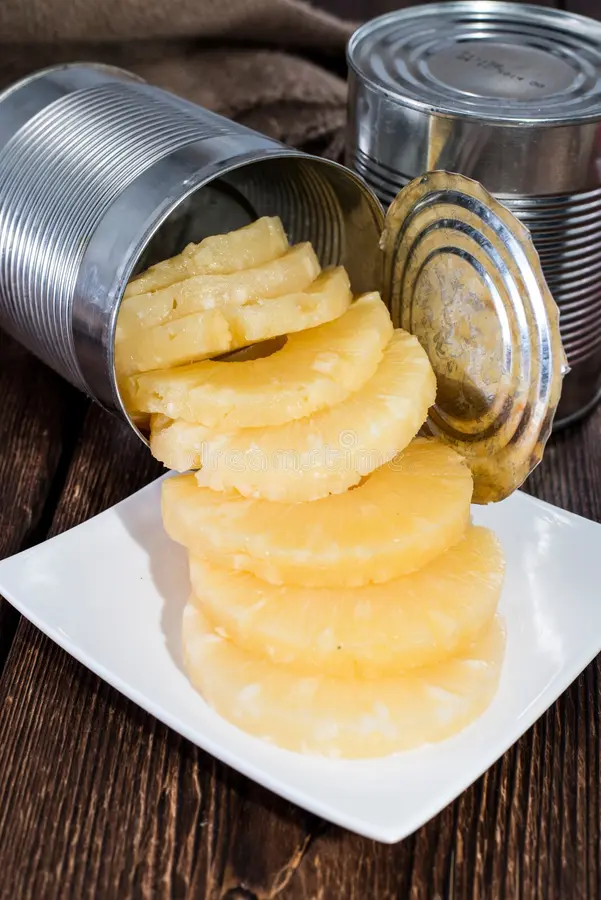
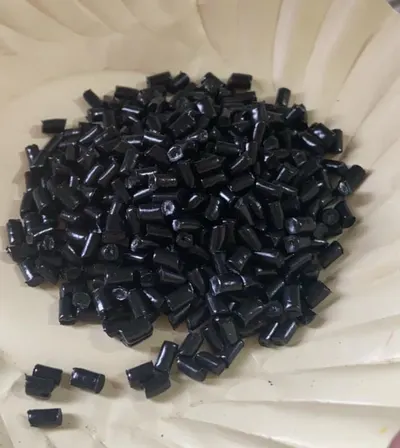
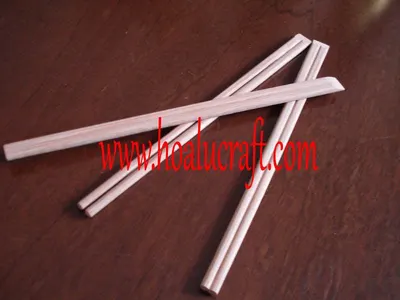
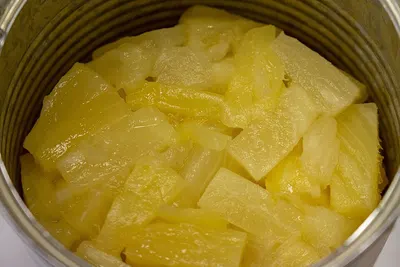
Tipasa lists canned pineapple as a preserved fruit product. In the broader market, canned pineapple is offered in 330 ml tins, 1 kg cans or larger bulk containers, with a typical fruit‑to‑liquid ratio of 65 % and compliance to ISO 22000 and HACCP food‑safety systems. Bamboo chopsticks are usually 20 cm long, 2 mm in diameter, and meet FDA food‑contact regulations; they are often packaged in cardboard boxes of 1,000 units. Raw bamboo material is supplied in standardized lengths of 2 - 3 m with a moisture content of 12‑15 % and may carry FSC or PEFC sustainability certificates. Skewers are similar in dimensions to chopsticks but are marketed for grilling and may be sold in packs of 500 units. Recycled polypropylene (PP) pellets commonly exhibit a melt‑flow index of 5‑15 g/10 min, a density of 0.90‑0.92 g/cm³ and are supplied in 25 kg bulk bags. Recycled low‑density polyethylene (LDPE) pellets typically have a melt‑flow index of 0.5‑2 g/10 min, a density of 0.92‑0.94 g/cm³ and also arrive in 25 kg bags.
Frequently Asked Questions About Tipasa Company Limited
What size cans does Tipasa offer for its canned pineapple?
The catalogue lists canned pineapple without a specific size, but the Thai export market commonly supplies 330 ml tins and 1 kg cans. Buyers should request the exact can dimensions in the product specification.
Are the bamboo chopsticks suitable for food‑service use?
Bamboo chopsticks are manufactured from natural bamboo and are typically treated to meet FDA food‑contact standards. Request a compliance certificate and a sample to confirm finish and strength.
What sustainability certifications are available for the bamboo products?
Tipasa does not list certifications in the facts, so buyers should ask for FSC or PEFC proof of sustainable harvesting before placing an order.
What technical data are provided for the recycled PP pellets?
Standard data for recycled PP include melt‑flow index (5‑15 g/10 min) and density (0.90‑0.92 g/cm³). Ask the supplier for a laboratory test report that confirms these parameters for each batch.
Can the recycled LDPE pellets be used for food‑contact packaging?
LDPE pellets can be formulated for food contact, but the supplier must supply a REACH registration and a declaration of compliance with the relevant food‑contact regulations.
 Thailand
Related Suppliers & Products
Explore similar suppliers, related products and trending categories