Synergy Fabrikraft Pvt Ltd — Supplier
About Synergy Fabrikraft Pvt Ltd - Fabrics Supplier in India
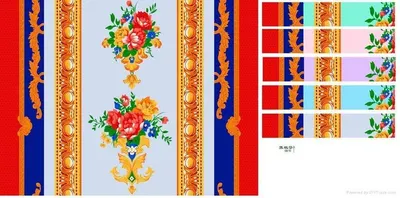
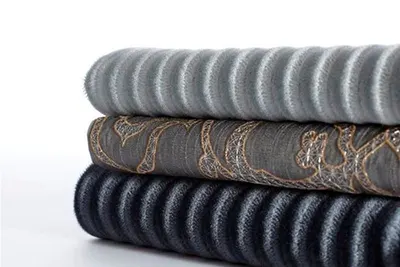
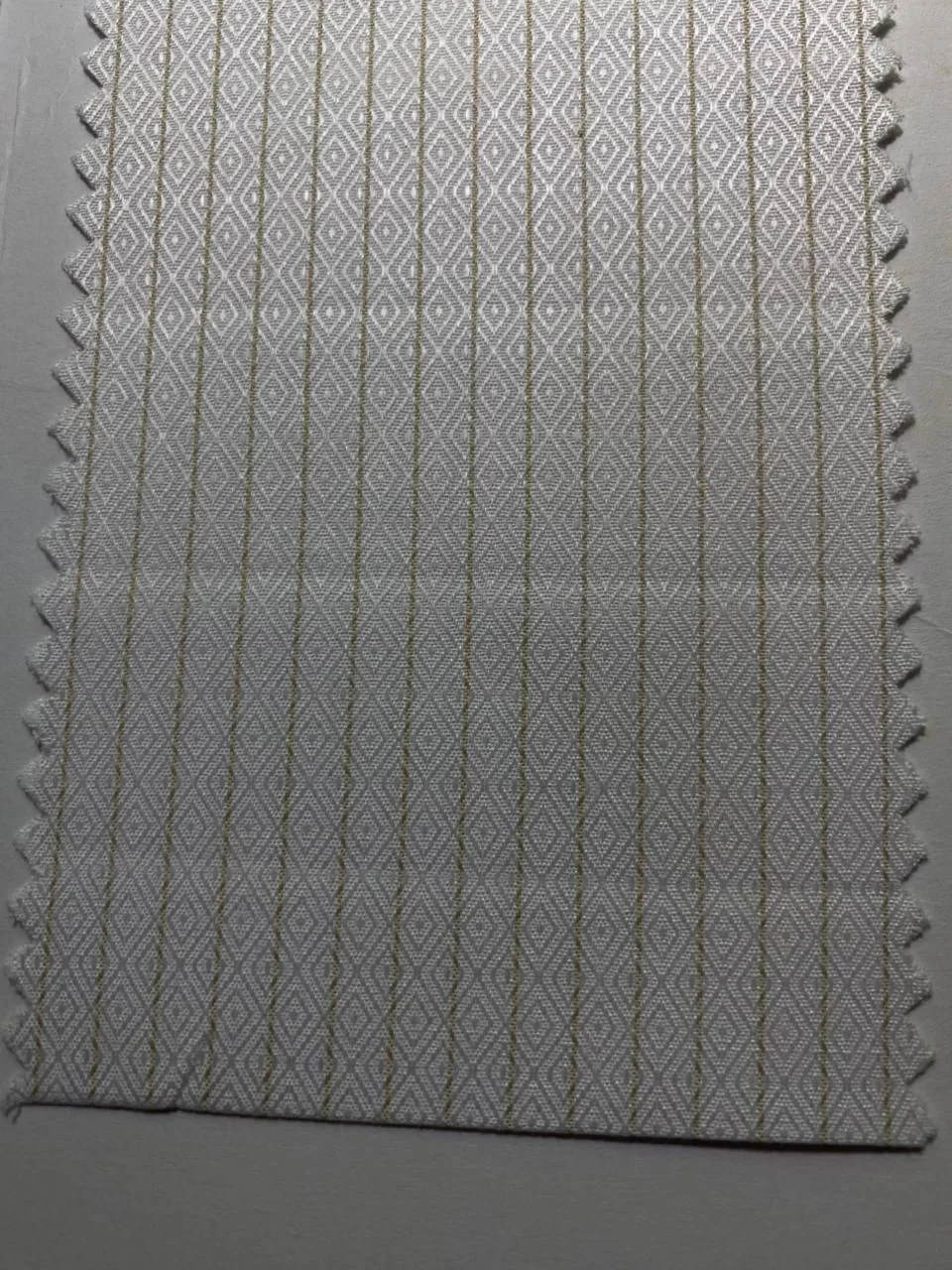
Synergy Fabrikraft Pvt Ltd is based in India and lists five active textile products. The catalogue comprises Rayon Jacquard, hand embroidered scarf, table cover, Zari border, and poly dupion value added fabric. These items fall under the broader HS chapter 54 for man‑made fibres and HS chapter 62 for finished garments and home textiles. The supplier is classified as an imported tier with a harbor trust tier, indicating it is sourced through a verified B2B platform. The product list reflects both woven and embroidered textile formats used in apparel and interior décor. Each item is described by its material composition, such as rayon, polyester, and metallic yarns, which are common in Indian textile exports.
Product Range and Specialties of Synergy Fabrikraft Pvt Ltd
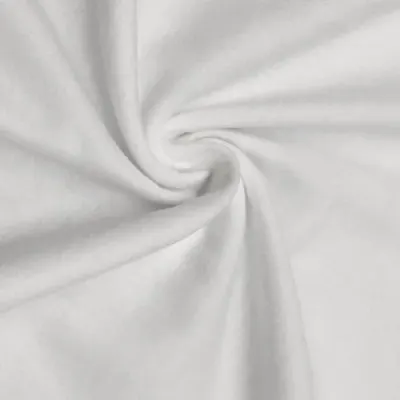
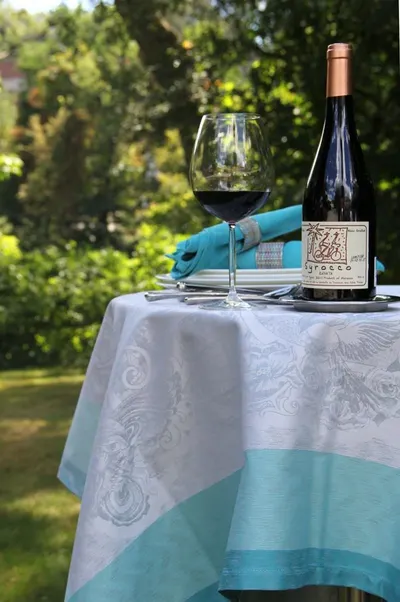
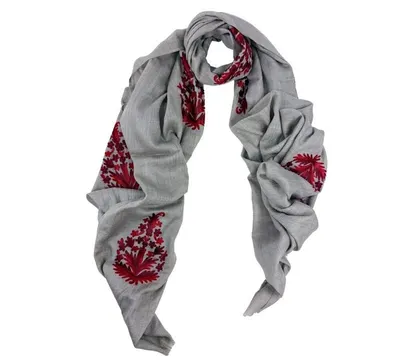
Synergy Fabrikraft’s catalogue includes five distinct textile items: a woven Rayon Jacquard fabric, a hand‑embroidered scarf, a polyester table cover, a metallic Zari border, and a poly‑dupion value‑added fabric. In the broader textile market, Rayon Jacquard is graded by GSM (150‑250) and warp/weft density, while hand‑embroidered scarves are evaluated for stitch count per square centimetre and thread count. Table covers are commonly assessed for dimensional accuracy, edge finishing, and shrinkage tolerance, typically ≤ 3 %. Zari borders are classified by metallic content (silver or gold plating) and width, and poly dupion fabrics are distinguished by the uneven yarn effect that gives a crisp drape and a medium‑weight GSM. Buyers usually request material certificates, fabric weight sheets, and colour‑matching swatches for these categories.
Trade and Export Information - Synergy Fabrikraft Pvt Ltd
India ranks among the top exporters of man‑made fabrics and home‑textile accessories, with the majority of shipments destined for the European Union, United States, and Middle Eastern markets. HS chapter 54 (man‑made fibres) and chapter 62 (apparel and home textiles) are the primary tariff headings applied to the listed products, and customs authorities often require certificates of origin and compliance with REACH or Oeko‑Tex standards. Typical export documentation includes a commercial invoice, packing list, bill of lading, and, where requested, a third‑party lab test report for colourfastness and fibre composition. Logistics for these fabrics favour 20‑ft or 40‑ft containers packed in sealed poly‑bags or cardboard rolls, with Incoterms such as FOB Mumbai or CIF Dubai commonly used.
Sourcing from Synergy Fabrikraft Pvt Ltd - Buyer Guidance
Potential buyers should request a pre‑shipment sample that includes a fabric swatch with declared GSM, width, and colour reference (e.g., Pantone). It is advisable to obtain a lab‑issued test report covering ISO 105‑C06 colourfastness, ISO 5077 dimensional stability, and fibre content analysis (e.g., ASTM D6299 for rayon, ASTM D6299 for polyester). Verify that the supplier can provide a certificate of origin and, if required by the destination market, an Oeko‑Tex Standard 100 or REACH compliance statement before finalising the order. Typical minimum order quantities for woven fabrics range from 500 m² to 2 000 m², with lead times of 30‑45 days from order confirmation, subject to production scheduling.
Frequently Asked Questions About Synergy Fabrikraft Pvt Ltd
What textile products does Synergy Fabrikraft offer?
The supplier lists five items: Rayon Jacquard fabric, hand‑embroidered scarf, table cover, Zari border, and poly dupion value‑added fabric. Each product is described by its material type and intended use in apparel or home décor.
How can I obtain a sample?
Buyers can request a fabric swatch sample that is shipped in a sealed poly‑bag via a pre‑paid courier. The sample will include key specifications such as GSM, width, and colour code for verification.
Which certifications should I ask for?
For Indian textile exports, buyers typically request a certificate of origin, an Oeko‑Tex Standard 100 or REACH compliance certificate, and a lab test report confirming colourfastness and fibre composition. These documents help verify conformity with major import regulations.
What are the typical HS codes for these products?
Rayon Jacquard and poly dupion fabrics are generally classified under HS 5407 (man‑made fibres, woven fabrics). Embroidered scarves, table covers, and Zari borders usually fall under HS 6204 (women’s or girls’ apparel) or HS 6302 (household textile articles).
What are the common packaging methods?
Woven fabrics are often packed rolled in reinforced cardboard tubes or folded and placed in double‑layered poly‑bags. Embroidered scarves and Zari borders are typically sealed individually in poly‑bags and grouped inside a master carton for shipment.
What are the usual minimum order quantities and lead times?
MOQ for woven fabrics is typically 500 m², for scarves around 200 units, and for Zari borders about 1 000 m. Lead time ranges from 30 to 45 days after order confirmation, depending on product type and order size.
Which markets does the supplier target?
The supplier’s export focus aligns with the main import destinations for Indian textiles: Europe, North America, and the Middle East. Buyers in these regions commonly import man‑made fabrics and decorative textile accessories from India.
Which Incoterms are commonly used for these shipments?
FOB from Mumbai Port and CIF to Dubai are frequently employed for the supplier’s textile exports. The choice of Incoterm depends on the buyer’s preferred logistics arrangement and destination port.




 , India