Agriculture›
 Apparel and fashion accessories›
 Construction & real estate›💡Electronic & Electrical›🍎Food & Beverages›🛋️Home furnishing & supplies›⚗️Industrial goods & chemical›🪨Minerals & metals›📦Miscellaneous›Agriculture›Apparel and fashion accessories›Construction & real estate›💡Electronic & Electrical›🍎Food & Beverages›🛋️Home furnishing & supplies›⚗️Industrial goods & chemical›🪨Minerals & metals›📦Miscellaneous›
Singh Carpet Industries Product Catalog


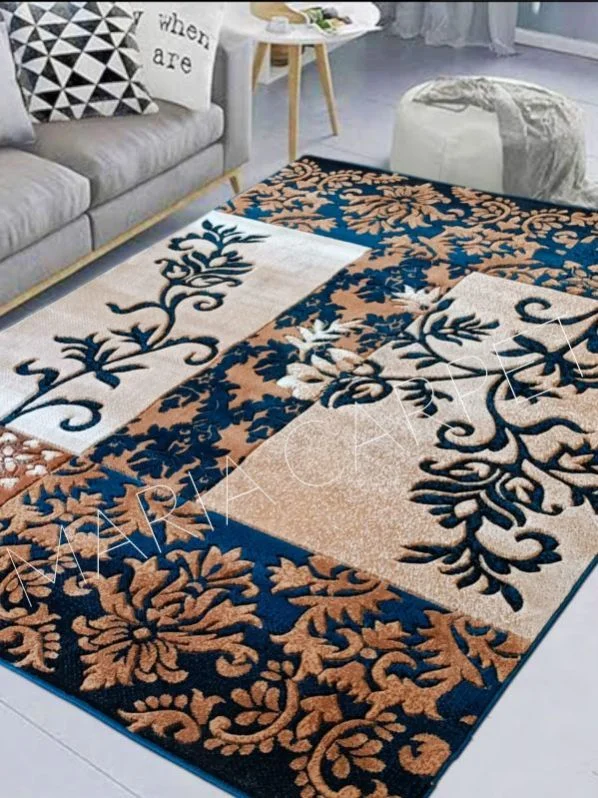
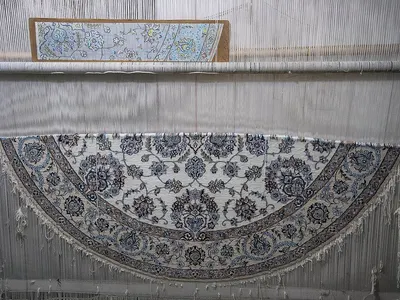

About Singh Carpet Industries - Handmade Carpets Supplier in India
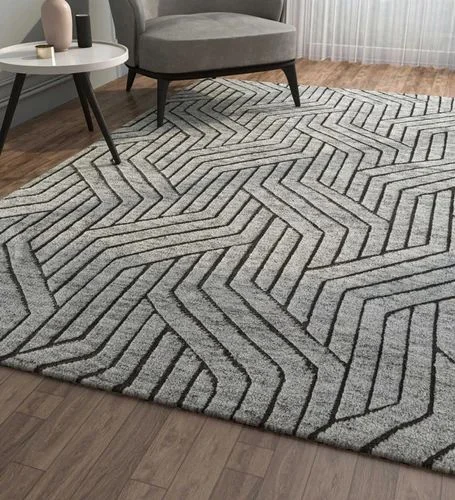
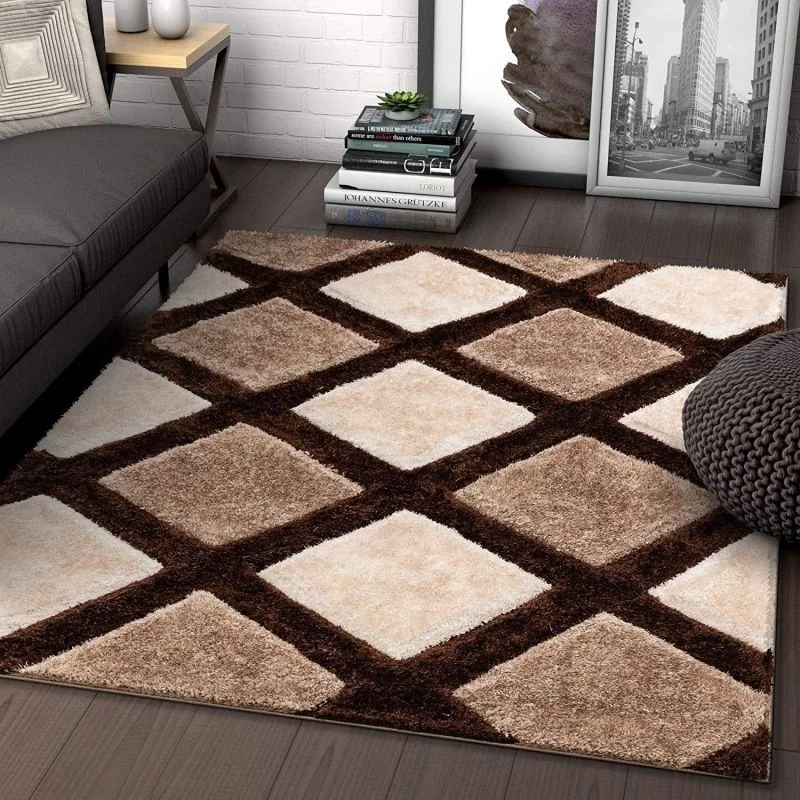
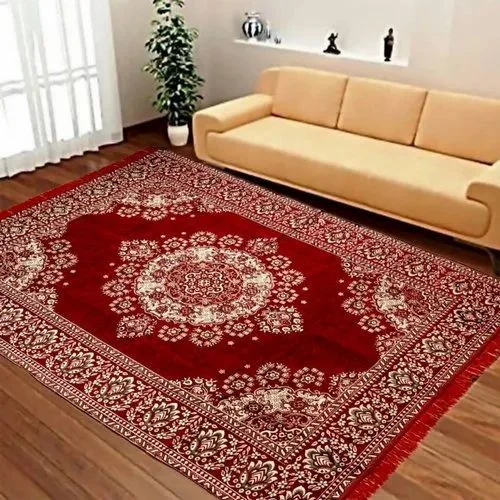
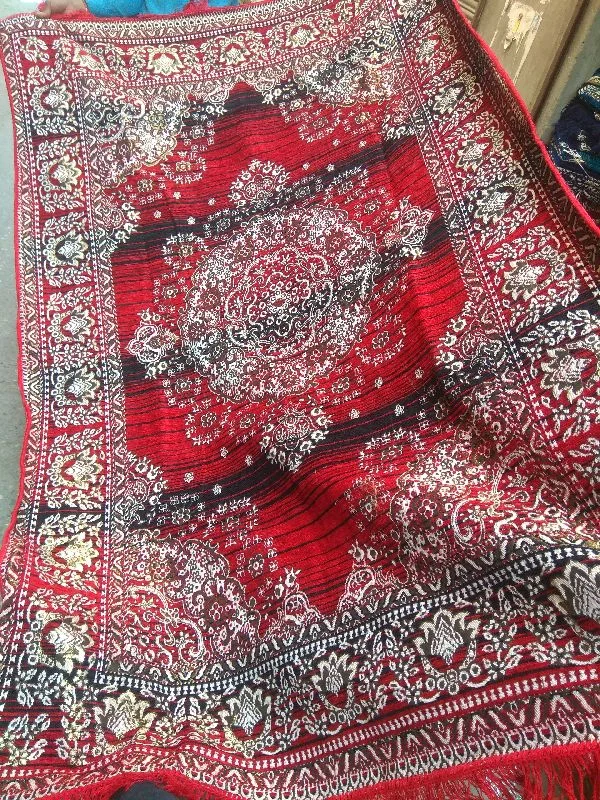
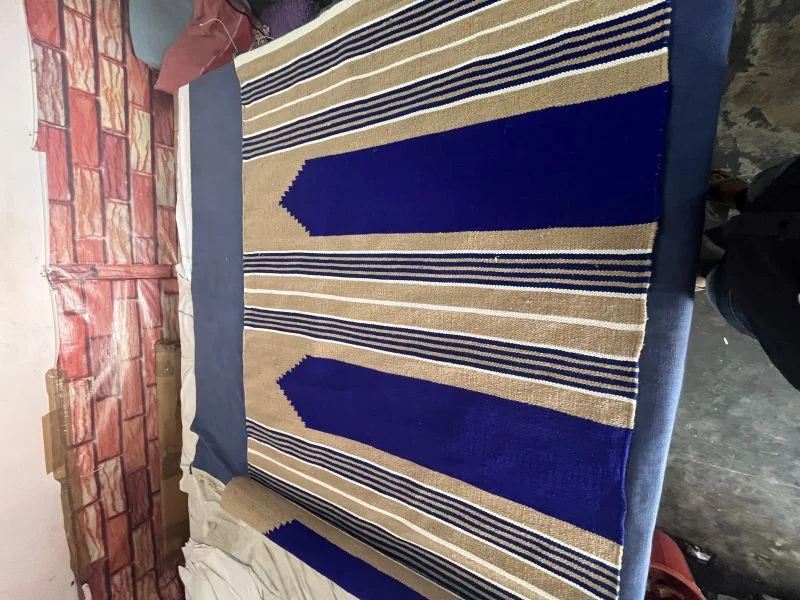
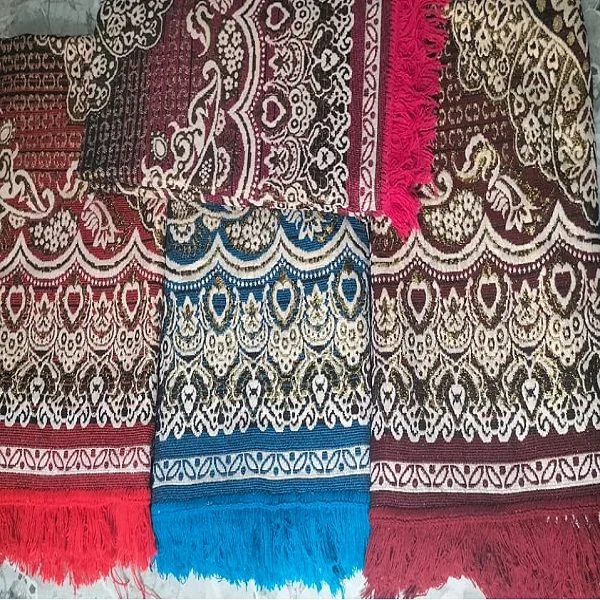
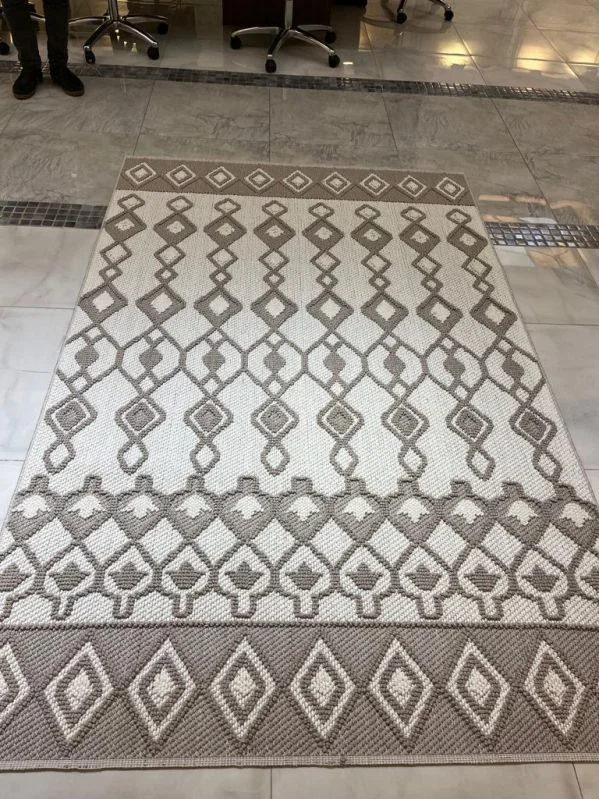
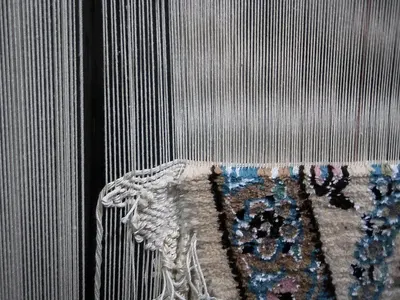
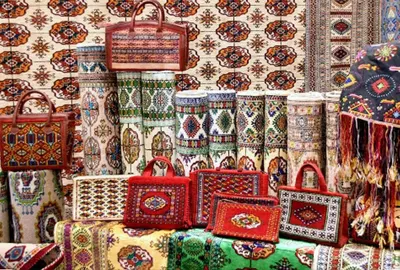
India hosts Singh Carpet Industries, which lists eight active products in its catalogue. The company focuses on two top categories - Handmade Carpets and Durries - and each item falls under the broader floor‑covering segment used in residential and commercial interiors. The catalogue includes variations such as Handknotted Carpet, Handloom Carpet, Handtuffted Carpet and Printed Handloom, reflecting the diversity of traditional Indian weaving techniques. All eight entries are identified by product name only, without specific HS‑code references in the supplied data.
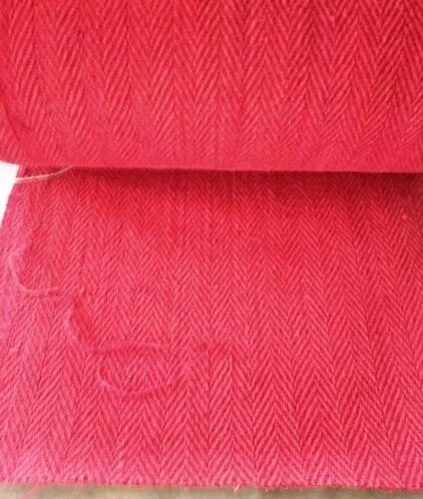
The product list expands to Handknotted Carpets, Handknotted Carpet (singular), Handwoven Durry, Handloom Carpet, Plain Cut Share Handloom, Handtuffted Carpet, Handtuffted Carpets and Printed Handloom. These names indicate a mix of knotting, weaving and tufting processes, each commonly associated with wool, cotton or silk yarns. The range covers both solid‑color and patterned finishes, suitable for floor installations, wall hangings or decorative throws. No additional product specifications such as size or material composition are provided in the source facts.
Product Range and Specialties of Singh Carpet Industries
Singh Carpet Industries’ catalogue comprises eight distinct carpet and durry items, all produced by hand techniques. In the broader industry, handmade carpets are typically classified by knot density ranging from 200 to 500 knots per square inch, with premium pieces using 100% wool or silk yarns and lower‑priced variants incorporating cotton blends. Durries, traditionally flat‑woven rugs, often use cotton or wool and are measured in square meters with typical widths of 1.2 - 1.5 m. Buyers commonly encounter specifications such as pile height (5 - 15 mm for tufted carpets) and dye compliance to ISO 14001 or REACH standards. While the supplier’s list does not detail these metrics, they represent the standard grades and material options encountered in the Indian handmade carpet market.
Frequently Asked Questions About Singh Carpet Industries
What carpet types are listed in Singh Carpet Industries’ catalogue?
The catalogue lists Handknotted Carpet, Handknotted Carpets, Handloom Carpet, Handtuffted Carpet, Handtuffted Carpets, Printed Handloom, Handwoven Durry and Plain Cut Share Handloom.
Which product category does Singh Carpet Industries specialize in?
The supplier focuses on Handmade Carpets and Durries, covering both knot‑based and flat‑weave floor coverings.
How many active products does the supplier currently offer?
Eight distinct carpet and durry products are active in the supplier’s listing.
What HS‑code family is applicable to these products?
Handmade and tufted carpets fall under HS Chapter 57, typically HS 5701 for woven carpets and HS 5702 for tufted carpets, though the exact codes should be confirmed with the supplier.
What material composition is typical for Indian handmade carpets?
Common materials include 100 % wool, wool‑cotton blends, and occasionally silk; buyers should request a material declaration for each item.
 India
Related Suppliers & Products
Explore similar suppliers, related products and trending categories