Seabrok, S.L. — Supplier
About Seabrok, S.L. - Seafood Supplier in Spain
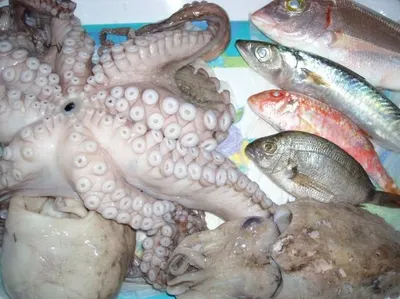
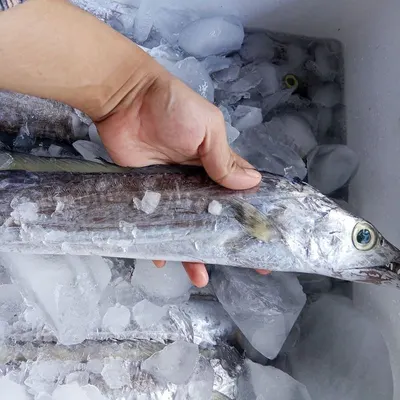
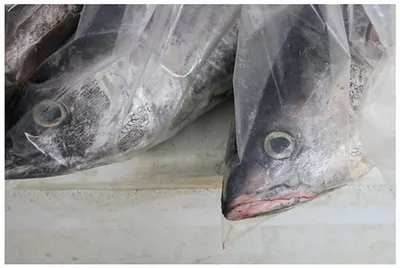
Seabrok, S.L. is based in Spain and currently lists five active seafood products. The catalogue includes frozen mackerel, frozen sardines, fresh or whole sardines, anchovies and octopus, each identified by its generic product name without further detail. The supplier’s tier is listed as imported and it holds a “harbor” trust tier in the platform’s classification. All five items fall under the broader category of frozen and fresh fishery products, which are subject to EU fisheries management and food safety regulations.
The product list shows a mix of pelagic species (mackerel, sardines, anchovies) and a cephalopod (octopus). No additional processing description such as filleting or canning is provided, indicating that the items are likely supplied in whole form or as frozen whole fish. The catalogue does not specify packaging dimensions, but the presence of both frozen and non‑frozen items suggests that temperature‑controlled logistics are required for at least three of the five SKUs.
Product Range and Specialties of Seabrok, S.L.
The five SKUs cover common Mediterranean seafood that is regularly traded in bulk. Frozen mackerel and frozen sardines are typically flash‑frozen at - 18 °C or lower and packed in insulated cartons of 10 kg or 20 kg, meeting EU hygiene regulation (Regulation (EC) No 853/2004). Fresh sardines and anchovies are usually offered whole, with size grades ranging from 15 cm to 30 cm for sardines and 10 cm to 20 cm for anchovies, and are often sold on ice or in refrigerated crates. Octopus is generally supplied as whole bodies weighing 1 kg to 3 kg, cleaned but not pre‑cooked, and shipped in insulated containers to preserve texture and moisture. Industry buyers typically request specifications such as total catch weight, moisture content below 70 % for fresh fish, and absence of foreign matter in frozen batches.
Trade and Export Information - Seabrok, S.L.
Spanish seafood exporters commonly ship to EU members (France, Italy, Portugal), North‑African markets (Morocco, Algeria), the Middle East (UAE, Saudi Arabia) and parts of Asia (Japan, South Korea). The HS‑chapter for fish and crustaceans is 0302, and while no HS codes are listed for Seabrok’s items, buyers normally verify that the correct 6‑digit codes (e.g., 0302 11 for fresh or frozen mackerel) accompany the commercial invoice. Typical certifications requested by importers include an EU health certificate, HACCP compliance, and, where applicable, MSC or ASC eco‑labeling. Export logistics usually involve 20‑foot refrigerated containers for frozen products and insulated pallets for fresh fish, with Incoterms such as FOB Barcelona or CIF Dubai frequently used.
Sourcing from Seabrok, S.L. - Buyer Guidance
When sourcing from Seabrok, S.L., buyers should ask for the latest EU health certificate, a HACCP audit report and, if sustainability is required, MSC or ASC audit results. Samples of at least 5 kg per species are standard to verify size, colour, texture and compliance with moisture limits. Verify that frozen products have been maintained at - 18 °C throughout transport and that fresh fish are delivered on ice with a temperature log showing ≤ 4 °C on arrival. Request packaging details - e.g., insulated cartons, LTL palletisation - and confirm the proposed Incoterm before finalising the order.
Frequently Asked Questions About Seabrok, S.L.
What seafood products does Seabrok, S.L. list in its catalogue?
The catalogue contains five items: frozen mackerel, frozen sardines, whole sardines, anchovies and octopus.
Are the fish products supplied frozen or fresh?
Frozen mackerel and frozen sardines are supplied frozen; sardines, anchovies and octopus are listed without a frozen qualifier, indicating they are offered fresh or in whole form.
What typical packaging is used for the frozen products?
Frozen fish from Spanish exporters are normally packed in insulated cartons of 10 kg or 20 kg, sealed to maintain - 18 °C during sea freight.
Which certifications should a buyer request from Seabrok, S.L.?
Buyers should request an EU health certificate, HACCP compliance documentation and, where required, MSC or ASC sustainability certificates.
What are common lead times for seafood shipments from Spain?
Lead times for frozen batches are typically 2 - 3 weeks from order confirmation, while fresh fish on ice may be dispatched within 5 - 7 days, depending on catch season and logistics.
What HS‑code family applies to the listed products?
Seafood products such as mackerel, sardines, anchovies and octopus fall under HS Chapter 03, specifically the 0302 sub‑heading for fish, fresh or chilled, and 0303 for frozen fish.
Which markets commonly import Spanish sardines and anchovies?
Key import markets include EU countries (France, Italy), North‑African states (Morocco, Algeria), the Middle East (UAE, Saudi Arabia) and East Asian destinations (Japan, South Korea).
What documentation is needed for customs clearance of these goods?
Customs typically requires a commercial invoice, packing list, EU health certificate, and any applicable phytosanitary or sustainability certificates, aligned with the HS code of the specific product.




 , Spain