RUDRA AGRO INTERNATIONAL — Verified Supplier
About RUDRA AGRO INTERNATIONAL - Spices Supplier in India
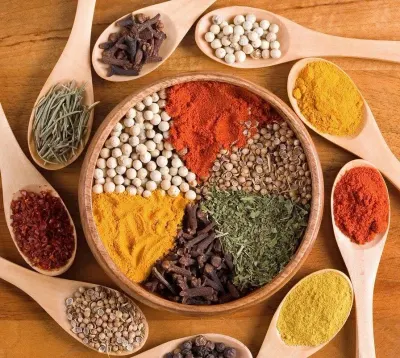
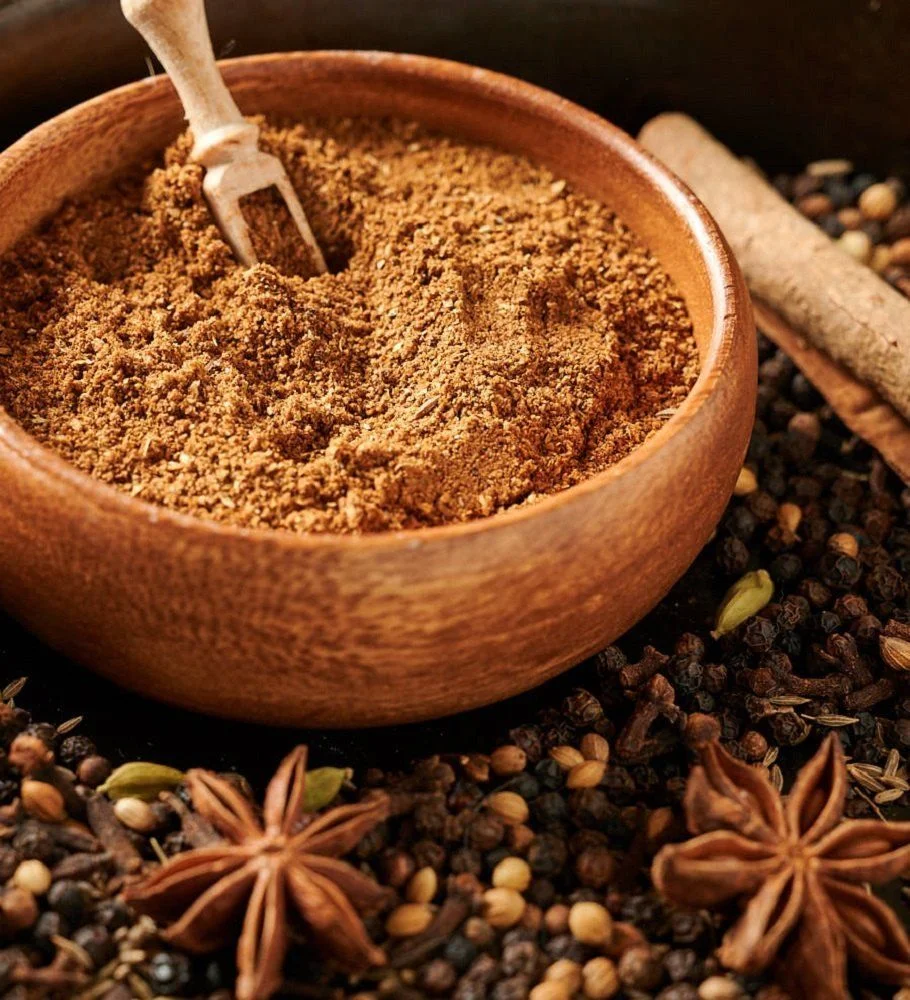
India, Gujarat state, Ahmedabad is the base of RUDRA AGRO INTERNATIONAL. The supplier lists nine active products that fall under the broader categories of spices and oilseed meals. The catalogue includes fenugreek seeds, cumin seeds, red chilli, fennel seeds, cassia tora seed, a generic spices entry, and two forms of guar meal identified as “churi” and “korma”. Each entry is recorded without specific HS‑code details, but the product titles map to standard HS chapters for spices (0909) and seeds (1206‑1209). The active product count of nine reflects the current breadth of the supplier’s online offering.
India’s spice sector is regulated by the Food Safety and Standards Authority of India (FSSAI) and by international phytosanitary standards. RUDRA AGRO INTERNATIONAL’s listings are consistent with typical exportable Indian spice products that require compliance with moisture limits, foreign‑matter thresholds, and pesticide residue limits. The presence of both fenugreek seed and fenugreek seed (duplicate entry) indicates a focus on that legume, while the inclusion of guar meal forms suggests a secondary interest in animal‑feed ingredients. All products are presented under the generic headings used by Indian exporters for HS‑code classification.
Product Range and Specialties of RUDRA AGRO INTERNATIONAL
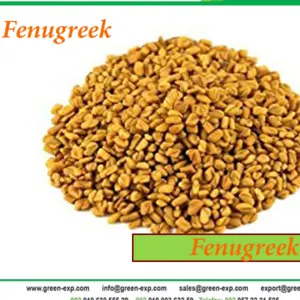
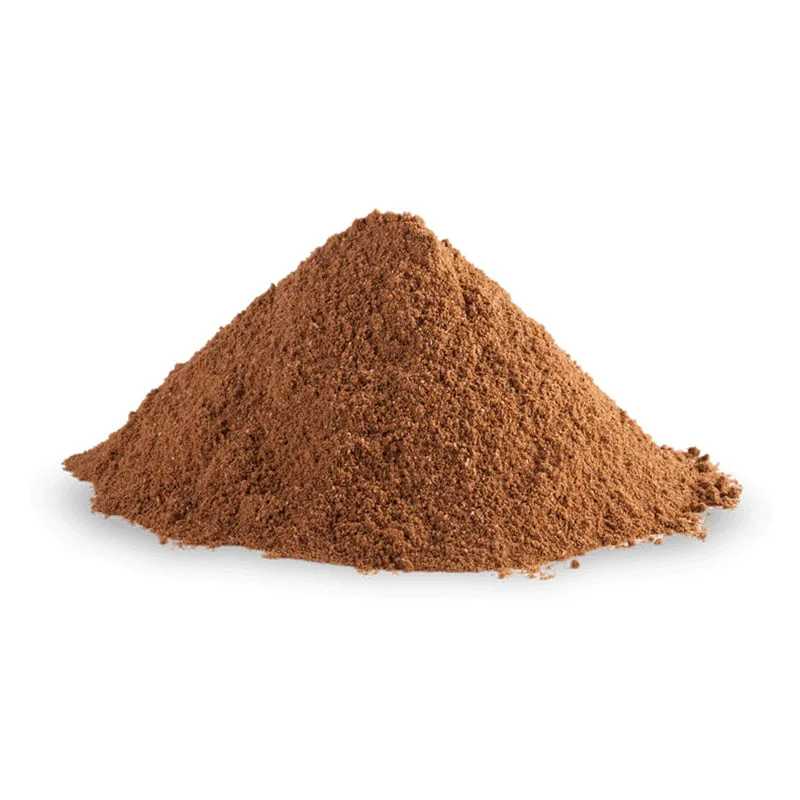
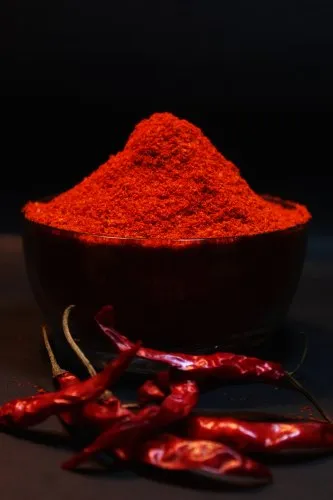
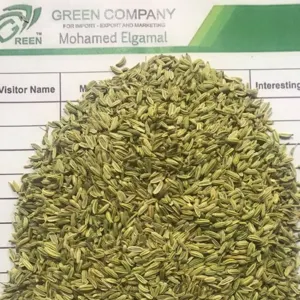
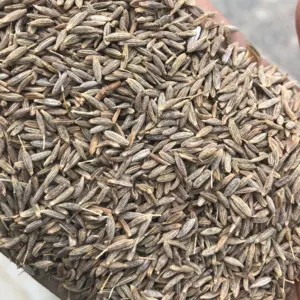
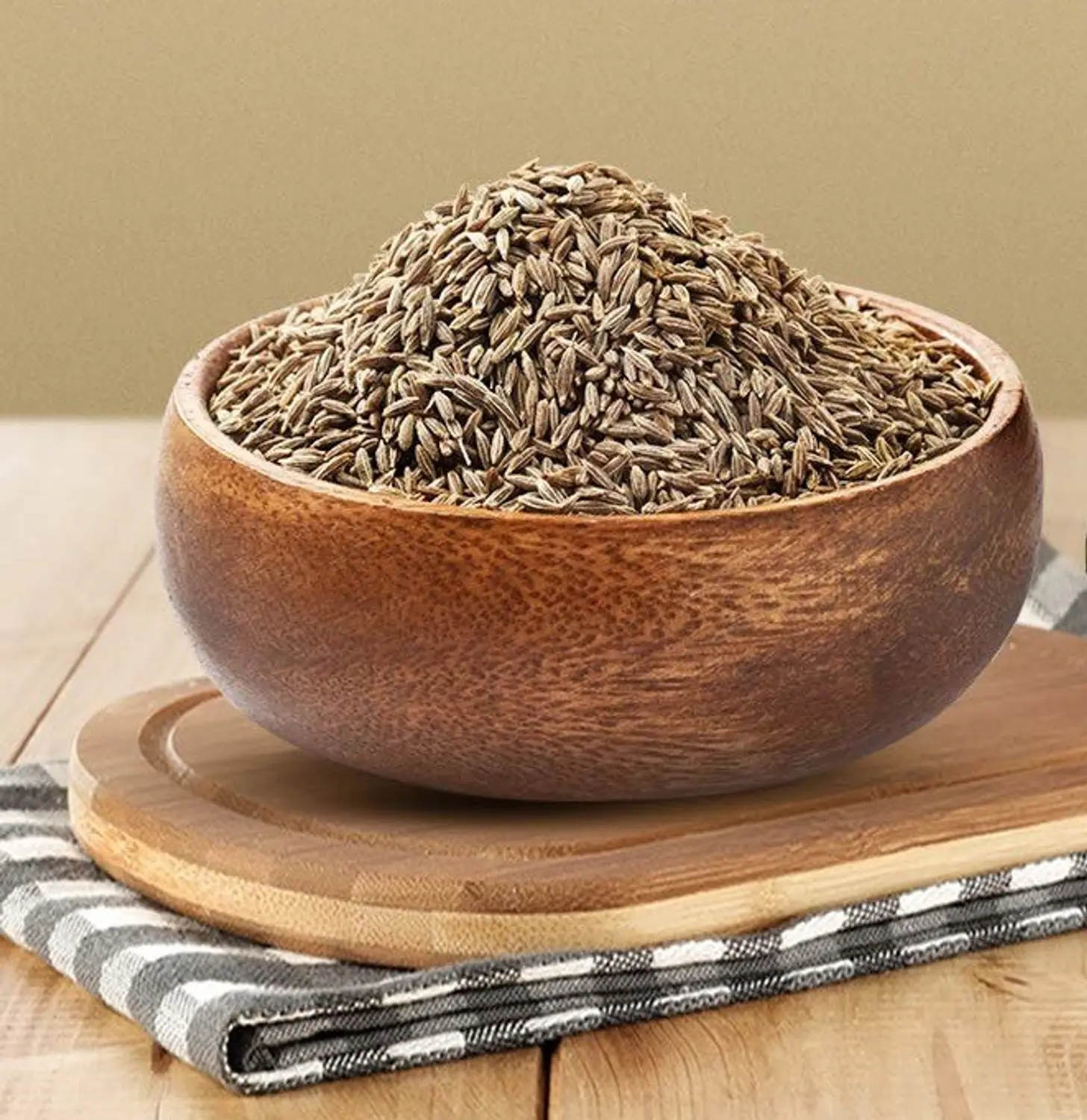
The catalogue covers five core spice seeds - fenugreek, cumin, red chilli, fennel and cassia tora - together with a collective “Spices” line that usually aggregates blended spice mixes. In the Indian market, fenugreek seeds are graded by size (3‑5 mm) and moisture content (≤12 %). Cumin seeds are commonly evaluated for colour index (CI 200‑210), moisture (≤12 %) and ash content (≤5 %). Red chilli grades are expressed by Scoville heat units (15 000‑30 000 SHU), colour (deep red, colour index ≥80), moisture (≤12 %) and aflatoxin limits (≤10 µg kg‑1). Fennel seeds are measured for oil content (≥4 %), moisture (≤12 %) and foreign matter (≤0.5 %). Guar meal “churi” and “korma” are animal‑feed meals with protein levels of 40‑45 % and moisture not exceeding 12 %. Cassia tora seed, used in herbal blends, is typically checked for moisture (≤12 %) and seed purity (≥95 %).
Trade and Export Information - RUDRA AGRO INTERNATIONAL
Indian spice exporters normally ship under HS chapter 09 (0909 for blended spices) and chapter 12 for seeds (1206 for fenugreek, 1207 for cumin, 1209 for other seeds). Major import destinations include the European Union, the United States, the Middle East and Southeast Asia, where buyers frequently request ISO 22000, HACCP or FSSC 22000 compliance for food safety. Phytosanitary certificates and origin certificates are standard documentation for customs clearance. Container loading is usually performed in 20‑ft or 40‑ft containers with 25 kg jute bags for seeds and 50 kg bulk bags for guar meal, sealed with moisture‑resistant liners. Indian exporters often negotiate CIF terms to the buyer’s port, with freight forwarding firms handling inspection under the Indian Export Inspection Council (IEIC).
Sourcing from RUDRA AGRO INTERNATIONAL - Buyer Guidance
Buyers should request a Certificate of Analysis that details moisture, foreign matter, pesticide residues and, where applicable, aflatoxin levels for each spice seed. For guar meal, a protein content report and a mycotoxin test are typical prerequisites. Verify that the supplier can provide a phytosanitary certificate and an FSSAI export licence, as these are routinely required by importing countries. Confirm packaging specifications - 25 kg jute bags for seeds and 50 kg bulk bags for meals - and ask for sample shipments before committing to a full container load. Typical minimum order quantities range from 500 kg to one full 20‑ft container, with lead times of 30‑45 days from order confirmation.
Frequently Asked Questions About RUDRA AGRO INTERNATIONAL
What product categories does RUDRA AGRO INTERNATIONAL list?
The supplier lists nine products, including fenugreek seeds, cumin seeds, red chilli, fennel seeds, cassia tora seed, a generic spices entry, and two forms of guar meal (churi and korma).
Which HS codes are relevant for these products?
Spice seeds such as fenugreek, cumin, fennel and red chilli fall under HS 1206‑1209, while blended spices are classified under HS 0909. Guar meal is generally coded under HS 1302 for vegetable preparations. The catalogue does not specify individual HS codes, but these are the standard classifications used for Indian exports.
What quality specifications are typical for fenugreek seeds?
Buyers usually require fenugreek seeds with a moisture content of ≤12 %, size of 3‑5 mm, and foreign matter not exceeding 0.5 %. A Certificate of Analysis confirming these parameters is standard.
Are any certifications required for importing the spices?
Importers commonly request ISO 22000, HACCP or FSSC 22000 food‑safety certifications, along with a phytosanitary certificate and an FSSAI export licence from the Indian supplier.
What packaging formats are used for the guar meal products?
Guar meal churi and korma are typically packed in 50 kg bulk bags with moisture‑resistant liners, suitable for container loading in 20‑ft or 40‑ft containers.
What are the typical minimum order quantities and lead times?
Minimum orders are usually around 500 kg per product or one full 20‑ft container. Lead times from order confirmation to shipment are generally 30‑45 days, depending on product availability and customs documentation.
What documents should a buyer verify before finalizing an order?
Key documents include the Certificate of Analysis, phytosanitary certificate, FSSAI export licence, and any applicable food‑safety certification (ISO 22000, HACCP). Checking these ensures compliance with most importing country regulations.




 Ahmedabad, India