Riddhi Textiles Inc. — Supplier
About Riddhi Textiles Inc. - Curtains Supplier in India
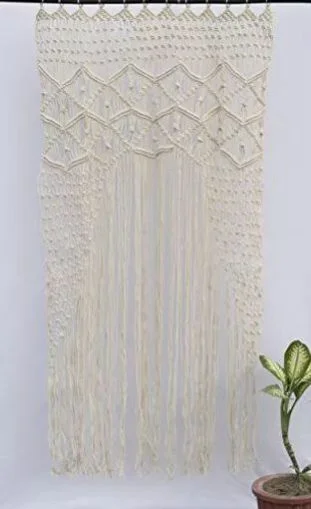
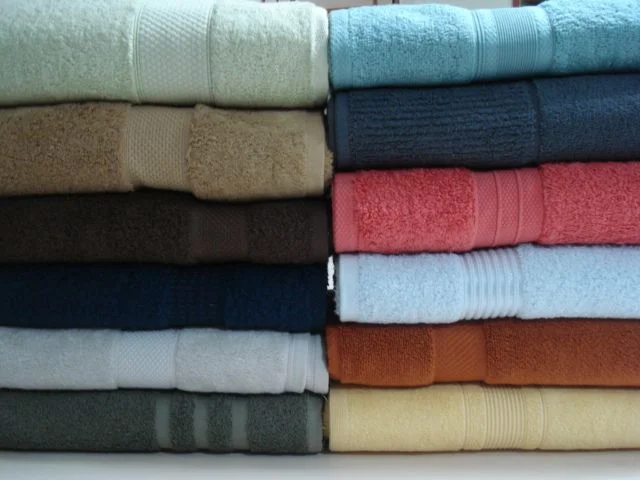
Riddhi Textiles Inc. is based in India and lists five active products in its catalogue. The company focuses on home textile items such as tea towels, napkins, table covers, kitchen towels, dish cloths, curtains, place mats and table runners. These products fall under the home textile segment commonly classified under HS Chapter 63, especially headings 6302 for other household textiles and 6303 for curtains and drapes. The active product count of five reflects the distinct product groups offered. Riddhi Textiles operates as an imported supplier tier with a harbor trust tier.
The catalogue groups items by functional use in the kitchen and living areas, with cotton‑blend or polyester‑blend fabrics typical for these applications. Each item is usually supplied in standard packaging such as folded cartons, with dimensions that fit 20‑foot containers for bulk shipments. While the supplier does not list specific certifications, buyers often verify compliance with Oeko‑Tex Standard 100, ISO 9001 quality management, and any relevant fire‑retardancy standards for curtains. The product range aligns with common market expectations for durability, absorbency, and colorfastness in household textiles. Riddhi Textiles’ product set is positioned for export to regions that import home textile goods.
Product Range and Specialties of Riddhi Textiles Inc.
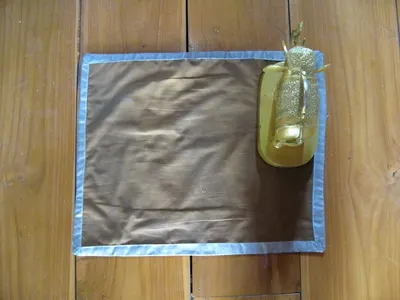
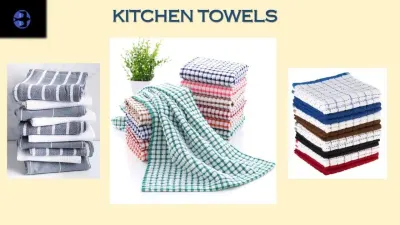
Riddhi Textiles’ catalogue includes tea towels and napkins, table covers, kitchen towels and dish cloths, curtains, and place mats or table runners. These items are typical home textile products that buyers source in cotton, linen, polyester or mixed yarns. In the market, tea towels are often specified with a GSM range of 200‑250 and a lint‑free finish, while napkins may require a higher thread count for a smooth hand feel. Curtains are generally graded by fabric weight (e.g., 120‑200 g/m²) and may need fire‑retardant treatment for EU markets. Place mats and table runners are frequently produced in woven or non‑woven variants with dimensions such as 40 × 60 cm for mats and 30 × 180 cm for runners.
Industry standards for these categories include colorfastness to washing (ISO 105‑C06), dimensional stability (ISO 9073‑2), and absorbency tests for towels (AATCC 79). Buyers commonly request Oeko‑Tex or GOTS certificates for organic or environmentally certified fibers, and ISO 9001 for the manufacturing process. The HS code 6302 90 covers most of the kitchen textiles, while curtains fall under HS 6303 10. Typical export packaging involves poly‑bagged units placed in double‑wall cartons, with container loads of 20‑ft or 40‑ft depending on volume.
Trade and Export Information - Riddhi Textiles Inc.
India ranks among the top exporters of home textiles, supplying the United States, European Union, Middle East and Southeast Asian markets. Export shipments of HS 63 items are usually dispatched under FOB or CIF terms, with freight rates influenced by container size and cargo weight. Buyers in the EU often require REACH compliance and fire‑safety classification for curtains, while US importers focus on CPSIA labeling for consumer safety. The Indian textile sector benefits from established port infrastructure, enabling efficient loading of 20‑foot containers containing up to 1,200 kg of folded kitchen textiles or 1,000 kg of curtains.
Typical logistics for the product mix listed by Riddhi Textiles involve palletizing cartons in layers of 10‑12, securing with stretch film, and loading to container heights of 2.4 m. Documentation generally includes commercial invoice, packing list, certificate of origin, and any requested test reports such as ISO 105 for colorfastness. Importers should verify that the shipment complies with the destination country’s textile labeling rules, including fiber content disclosure and care instructions.
Sourcing from Riddhi Textiles Inc. - Buyer Guidance
When sourcing from Riddhi Textiles, request detailed product specifications that list material composition (e.g., 100 % cotton or 65 % polyester/35 % cotton), GSM, dimensions, and finishing treatments. Ask for laboratory test reports covering absorbency, colorfastness to washing and light, and any fire‑retardant certifications if curtains are intended for commercial interiors. Samples should be obtained in the intended size and packaging to confirm stitching quality and fabric hand.
Confirm the supplier’s ability to provide Oeko‑Tex Standard 100 or other relevant eco‑certificates, and verify ISO 9001 quality‑management compliance before placing a bulk order. Clarify minimum order quantities, which for folded kitchen textiles typically start at 500 units per design, and lead times that range from 30 to 45 days after sample approval. Ensure that packaging specifications meet your logistics plan, such as carton strength and container loading patterns.
Frequently Asked Questions About Riddhi Textiles Inc.
What types of home textile products does Riddhi Textiles list?
The catalogue includes tea towels, napkins, table covers, kitchen towels, dish cloths, curtains, and place mats or table runners, all classified under HS Chapter 63 for household textiles.
Which HS codes are relevant for these products?
Kitchen textiles such as tea towels and napkins fall under HS 6302 90, while curtains are categorized under HS 6303 10; both belong to the broader HS 63 family for textile articles.
What material specifications should a buyer request?
Buyers should ask for the exact fiber composition (e.g., 100 % cotton or cotton‑polyester blends), GSM values (typically 200‑250 g/m² for towels), fabric weight for curtains (120‑200 g/m²), and any finishing treatments like fire‑retardancy.
Which certifications are commonly required for Indian home textiles?
Importers often require Oeko‑Tex Standard 100 for safety, ISO 9001 for quality management, and, for EU markets, REACH compliance and fire‑safety classification for curtains.
What packaging and shipping formats are standard for these items?
Products are usually packed in folded cartons, placed on pallets, and shipped in 20‑foot or 40‑foot containers; a typical 20‑foot container can hold up to 1,200 kg of folded kitchen textiles.
What are typical minimum order quantities and lead times?
Minimum order quantities generally start at 500 units per design, and lead times after sample approval range from 30 to 45 days, depending on production scheduling.
How can a buyer verify product quality before a full order?
Request physical samples, laboratory test reports for absorbency, colorfastness (ISO 105‑C06), and any fire‑retardant test results; confirming these documents helps validate compliance with industry standards.




 , India