Primetex Co.,LTD — Supplier
About Primetex Co.,LTD - Textiles Supplier in China
Primetex Co.,LTD operates from China and currently lists five active textile products. The catalogue includes a double layer chiffon made with multi‑tone yarns, a flocking material, a printed flower design, a mini matte embroidery option, and a silk‑imitate print that incorporates an outline metallic finish. Each entry corresponds to a distinct fabric treatment or decorative technique commonly used in apparel and home‑textile applications. The supplier’s product count of five reflects a focused portfolio rather than a broad commodity line. The listed items fall under the broader HS chapter 59 for woven fabrics and chapter 63 for other textile articles, which are the typical tariff headings for such goods.
The Chinese textile sector is a major exporter of finished fabrics and specialty finishes, supplying markets in the United States, the European Union, and Southeast Asia. Buyers of double‑layer chiffon usually specify GSM values between 80 and 150 and require color‑fastness to light and washing. Flocking and printed fabrics are often classified under HS 5903 or 5905, with buyers requesting compliance with ISO 105‑B02 for colour fastness. Embroidery and metallic‑outline prints are treated as made‑up articles under HS 6302, where Oeko‑Tex or REACH conformity is frequently demanded. Overall, the product set aligns with standard export categories for decorative and functional textiles from China.
Product Range and Specialties of Primetex Co.,LTD
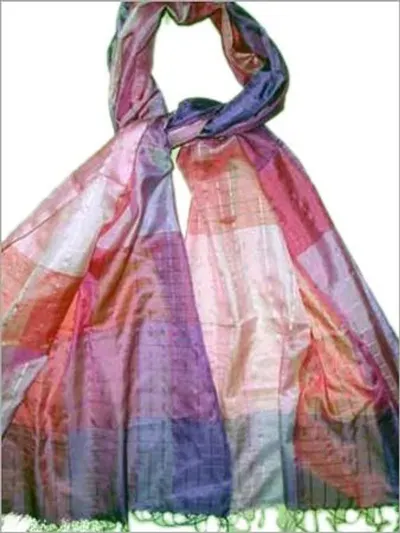
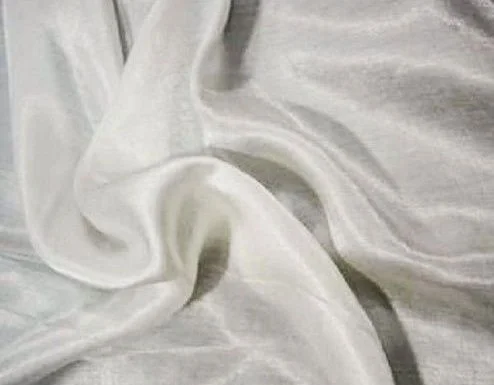
The catalogue presents five distinct textile finishes: a double layer chiffon with multi‑tone yarns, a flocking fabric, a flower‑pattern printed textile, a mini matte embroidery design, and a silk‑imitate print featuring a metallic outline. In the industry, double layer chiffon is typically a lightweight polyester or silk blend with a GSM of 80‑120, used for evening wear and drapery. Flocking fabrics involve applying short fibers onto a base material, often polyester, to achieve a raised texture, and are graded by pile height and density. Printed flower textiles are usually produced by digital or rotary printing on woven or knit bases, with standard colour‑fastness ratings of 4‑5 on the ISO 105 scale. Mini matte embroidery refers to low‑profile stitched motifs on fabric, commonly evaluated by stitch count per centimetre. Silk‑imitate prints with metallic outlines combine synthetic fibers with metallic foil or pigment, and buyers often check for metal‑content compliance under REACH.
Typical specifications for these categories include fibre composition percentages, weight per square metre, colour‑fastness to washing, light, and rubbing, as well as dimensional stability after laundering. Buyers also look for certifications such as Oeko‑Tex Standard 100, ISO 9001 quality management, and, where applicable, compliance with the EU REACH regulation for metallic additives. The supplier’s product list matches the common grade ranges used in the global market, allowing buyers to compare against standard benchmarks for each finish.
Trade and Export Information - Primetex Co.,LTD
China remains one of the world’s largest exporters of finished textiles, with the majority of shipments routed to North America, the EU, and emerging markets in the Middle East and Africa. Products like double layer chiffon and printed fabrics are typically shipped in 40‑foot containers, packed in sealed polyethylene bags or rolled on wooden cores to protect the finish. The relevant HS code families include 5903 (woven fabrics of synthetic fibres), 5905 (woven fabrics of mixed fibres), and 6302 (other made‑up textile articles). Importers commonly request certificates of origin, lab test reports for colour fastness, and compliance documents for Oeko‑Tex or REACH, especially when the goods contain metallic inks or foils.
Logistics for these textile items often use CIF or FOB terms, with moisture content kept below 8 % to avoid mildew during transit. Chinese exporters frequently work with freight forwarders experienced in handling delicate fabric rolls, using inner corrugated boxes and outer bulk packaging to mitigate damage. Buyers should anticipate customs inspections that verify HS classification and conformity with any regional textile safety standards, such as the EU’s REACH or the US CPSIA for products intended for children.
Sourcing from Primetex Co.,LTD - Buyer Guidance
When sourcing from Primetex Co.,LTD, buyers should request a detailed product data sheet that lists fibre composition, GSM, colour‑fastness ratings, and any metallic content. Samples should be examined for visual consistency, texture, and edge finish; laboratory testing for ISO 105‑B02 (colour fastness to washing) and ISO 105‑C06 (to light) is standard practice for printed and embroidered textiles.
Buyers are advised to verify that the supplier can provide Oeko‑Tex Standard 100 certificates or equivalent test reports, especially for fabrics destined for apparel or bedding. Confirm the packaging format (rolled vs folded, bagged vs boxed) and the container size to ensure compatibility with the buyer’s logistics chain. Prior to placing a large order, a small‑batch trial run can reveal any variations in print alignment, metallic foil adhesion, or flocking density, helping to mitigate risk.
Frequently Asked Questions About Primetex Co.,LTD
What types of fabrics are included in Primetex Co.,LTD’s catalogue?
The catalogue lists a double layer chiffon with multi‑tone yarns, a flocking fabric, a flower‑pattern printed textile, a mini matte embroidery design, and a silk‑imitate print with a metallic outline.
Which HS codes are typically applied to these textile products?
These items are usually classified under HS 5903 or 5905 for woven or mixed‑fibre fabrics, and HS 6302 for made‑up textile articles such as embroidered or printed fabrics.
What quality tests should buyers request for the printed and embroidered items?
Buyers should ask for ISO 105‑B02 colour‑fastness to washing, ISO 105‑C06 colour‑fastness to light, and ISO 105‑A02 abrasion resistance reports to confirm durability of prints and embroidery.
Are there any common certifications needed for these fabrics?
Typical certifications include Oeko‑Tex Standard 100 for harmful substance testing and REACH compliance for any metallic inks or foils used in the silk‑imitate prints.
What are the usual packaging methods for these textile products?
Fabric rolls are generally packed on wooden cores inside sealed polyethylene bags, while printed or embroidered pieces may be folded and placed in double‑wall corrugated boxes to protect the surface finish.
What are typical minimum order quantities and lead times for these items?
Minimum order quantities often start at one 40‑foot container (approximately 15‑20 metric tonnes) depending on the product, with lead times ranging from 30 to 60 days after sample approval.
Which regions most frequently import these kinds of textiles from China?
North America, the European Union, and the Middle East are the primary import markets for Chinese decorative and functional textiles such as chiffon, printed fabrics, and embroidered goods.
What documentation should be secured before shipment?
Buyers should obtain a commercial invoice, packing list, certificate of origin, and any relevant test reports or certifications (e.g., Oeko‑Tex, REACH) to satisfy customs and quality requirements.




 , China