Agriculture›
 Apparel and fashion accessories›
 Construction & real estate›💡Electronic & Electrical›🍎Food & Beverages›🛋️Home furnishing & supplies›⚗️Industrial goods & chemical›🪨Minerals & metals›📦Miscellaneous›Agriculture›Apparel and fashion accessories›Construction & real estate›💡Electronic & Electrical›🍎Food & Beverages›🛋️Home furnishing & supplies›⚗️Industrial goods & chemical›🪨Minerals & metals›📦Miscellaneous›
Plastic Coporation Product Catalog

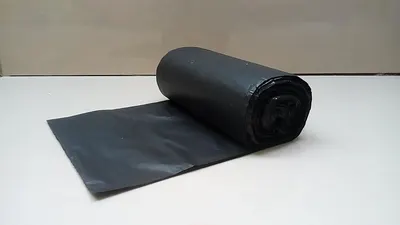

About Plastic Coporation - Tarpaulin And Accessories Supplier in Viet Nam
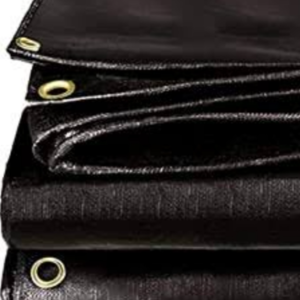
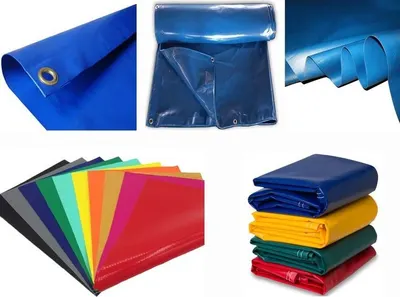
Plastic Coporation operates from Viet Nam and currently lists 16 active tarpaulin products in its catalogue. The products are identified by model codes such as RL48, SXD30, TP18, and XC40, covering a spectrum of sizes and specifications that buyers typically classify under the HS‑3920 family for plastic sheets and films. The supplier’s catalogue is limited to the single category of Tarpaulin And Accessories, indicating a focused product line rather than a broad polymer portfolio. Each entry represents a distinct tarpaulin type, often distinguished by thickness, UV‑resistance treatment, or reinforced stitching, which are standard differentiators in the tarpaulin market.
The listed items include both standard and specialty tarpaulins, for example the UV9 variant suggests ultraviolet protection, while models prefixed with “XC” or “SXL” are commonly associated with extra‑clear or heavy‑duty polyethylene constructions. The presence of multiple model numbers that share similar prefixes (e.g., SXD30, SXD34) reflects typical industry practice of offering incremental size or gauge options within a product family. No additional categories or accessories beyond the tarpaulin line are mentioned, so buyers can expect a catalog centered on flexible, sheet‑type coverings for industrial, agricultural, or construction use.
Product Range and Specialties of Plastic Coporation
The catalogue comprises sixteen tarpaulin models, each designated by a specific code (e.g., RL48, TP24, XC34). In the global market, tarpaulins of this type are usually manufactured from PVC‑coated or high‑density polyethylene (HDPE) fabrics, with thicknesses ranging from 0.2 mm to 1.5 mm and weights between 150 g/m² and 600 g/m². Typical quality grades include ISO 9001‑compliant production, UV‑stabilised grades rated for up to 10 years of outdoor exposure, and fire‑retardant variants that meet EN 13501‑1 classifications. Buyers often look for specifications such as water‑proof rating (e.g., 1 mm water column), tensile strength (200 - 800 MPa depending on material), and reinforced grommet placement for load‑bearing applications. The model names suggest a mix of standard (TP series) and premium (XC series) offerings, aligning with industry practice of providing both economy and high‑performance options.
Frequently Asked Questions About Plastic Coporation
What tarpaulin models does Plastic Coporation list in its catalogue?
The supplier lists sixteen models, including RL48, SXD30, SXD34, TP18, TP24, T2, BT40, RR45, T3, XD34, SXL34, UV9, XC25, XC30, XC34 and XC40.
Are the tarpaulins made from PVC or polyethylene?
The catalogue does not specify material, but in the industry tarpaulins with these model prefixes are commonly produced from PVC‑coated fabric or high‑density polyethylene, and buyers should request the exact composition in the product data sheet.
What HS code is applicable to these tarpaulins for customs clearance?
Tarpaulins of plastic sheet type are generally classified under HS code 3920, which covers plastic sheets, films and foils.
Which certifications are typically required for importing Vietnamese tarpaulins?
Importers usually require ISO 9001 quality‑management certification, REACH compliance for chemical safety, and CE marking for EU-bound shipments; buyers should ask Plastic Coporation to provide copies of any certifications it holds.
What are the common specifications buyers check for tarpaulins?
Key specifications include material type, thickness (0.2‑1.5 mm), weight per square metre (150‑600 g/m²), UV‑resistance grade, tensile strength (200‑800 MPa) and fire‑rating (e.g., EN 13501‑1).
 Viet Nam
Related Suppliers & Products
Explore similar suppliers, related products and trending categories