Opal-China-Opals — Supplier
About Opal-China-Opals - Silver Jewelry Supplier in China
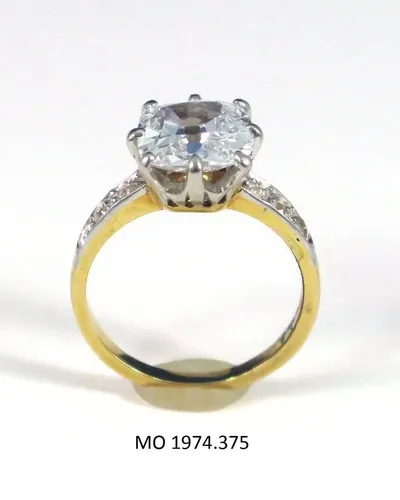
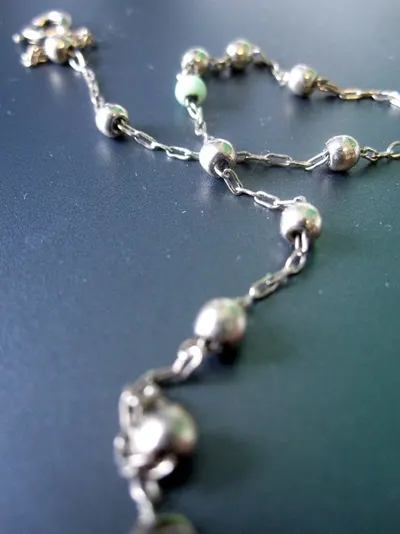
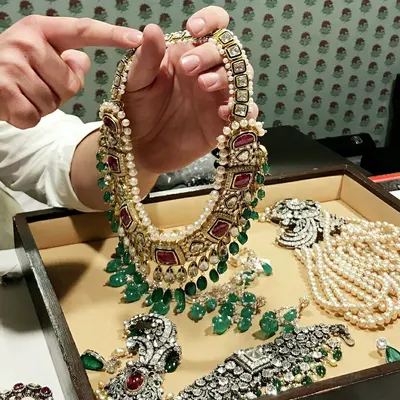
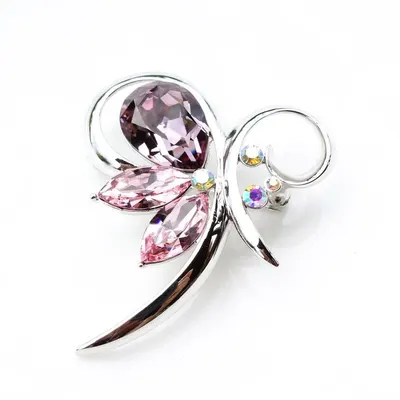
Opal-China-Opals is based in China and currently lists seven active products in its catalogue. All items fall under the silver‑based jewelry segment and include pendants, bracelets, earrings, necklaces and a wedding ring. The product titles reference materials such as sterling silver (925 Ag), S925 silver, platinum‑plated components and natural gemstones like pearl and amber. The catalogue explicitly names each design, for example a Sterling Silver Pearl Edison Shaped Pendant and a S925 Eiffel Tower Wedding Ring, providing a clear view of the offered styles.
In international trade, these items are classified under HS Chapter 71, specifically headings 7103 (precious metal jewelry) and 7113 (plated jewelry). Sterling silver items must contain at least 92.5 % silver, while S925 denotes the same alloy composition. Pearls are typically graded by luster, surface, shape and size, and natural amber is evaluated for color and inclusions. Buyers usually verify metal purity and gemstone grading through laboratory certificates before shipment.
Product Range and Specialties of Opal-China-Opals
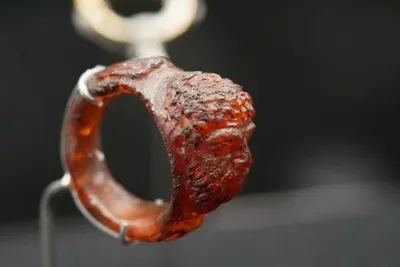
The catalogue lists seven distinct pieces: a Sterling Silver Pearl Edison Shaped Pendant, an S925 Silver Natural Blood Amber Bracelet, 2016 New Arrival Superb 925 Silver Earrings, Silver Plated Pt950 Platinum Flower Earrings, a New Arrival Adjustable Pearl Sweater Necklace, a New Arrival S925 Silver Rhodium Pearl Necklace and a New Arrival S925 Eiffel Tower Wedding Ring. Industry standards for these categories include 925 Ag purity for sterling items, rhodium plating thickness of 0.5 - 1 µm for durability, and pearl grades ranging from A to AAA based on luster and surface quality. Amber jewelry is frequently assessed for authenticity by infrared spectroscopy, while platinum‑plated pieces are checked for a minimum 10 µm platinum layer. Typical specifications such as earring post gauge (0.6 mm) and necklace chain length (45 - 50 cm) are standard references for buyers evaluating these designs.
Trade and Export Information - Opal-China-Opals
China is a major exporter of fine jewelry, with the European Union, United States and Southeast Asian markets accounting for the largest share of demand. HS 7103 covers the solid silver items in the catalogue, while HS 7113 applies to the platinum‑plated earrings. Export shipments are commonly packed in anti‑tarnish pouches inside rigid cardboard boxes, and a 20‑ft container can hold roughly 10 000 - 12 000 individual pieces depending on packaging density. Buyers typically request compliance with REACH (restricted substances) and a metal purity assay (e.g., ISO 17025 laboratory report). While Opal-China-Opals does not list specific certifications, importers should confirm that any supplied test reports meet the destination country’s lead‑content limits (e.g., 0.01 % Pb in the EU).
Sourcing from Opal-China-Opals - Buyer Guidance
When sourcing from Opal-China-Opals, request a recent assay report confirming 92.5 % silver content for all S925 items and a plating thickness verification for the Pt950‑plated earrings. Pearl pieces should be accompanied by a grading certificate indicating size (mm), luster grade and any treatments. Verify that the supplier can provide REACH compliance documentation and, if required by the buyer’s market, a Certificate of Origin. Typical minimum order quantities for boutique jewelry range from 100 to 250 units per style, with a standard production lead time of 30 - 45 days after sample approval. Packaging should include individual anti‑tarnish bags, a sturdy outer box, and a packing list that references HS codes and declared values for customs.
Frequently Asked Questions About Opal-China-Opals
What materials are used in the Opal-China-Opals jewellery collection?
The collection uses 925 Ag sterling silver, S925 silver alloy (92.5 % Ag, 7.5 % Cu), platinum plating over a base metal, natural amber and cultured pearls graded by luster and size.
How can I verify the metal purity of the silver items?
Ask the supplier for an ISO‑17025 assay report that states the exact silver percentage and any trace‑metal analysis. The report should be dated within the last six months.
Are the pearls in the necklaces and pendants natural or cultured?
Product titles specify "Pearl" without a qualifier, so buyers should request a pearl grading certificate that details whether the pearls are natural or cultured, their diameter in millimetres and grade (A‑AAA).
What certifications should I request before placing a bulk order?
Typical certifications for Chinese jewelry exporters include a REACH compliance statement, a Certificate of Origin and, if required by the destination market, a lead‑content test complying with EU limits.
What is the usual minimum order quantity and lead time?
For the listed designs, most buyers order between 100 and 250 pieces per SKU. After sample approval, the production lead time is generally 30 to 45 days.
How are the items packaged for international shipment?
Each piece is placed in an anti‑tarnish pouch, then grouped in a cardboard box with cushioning. Full containers (20 ft) can hold roughly 10 000 items, and the shipment is typically arranged under CIF terms.
Which HS codes apply to these products?
Solid silver jewellery falls under HS 7103, while platinum‑plated items are classified under HS 7113. These codes are used on the commercial invoice and customs declaration.
Can I request a sample before committing to a full order?
Yes, the supplier can provide a single unit sample of any design. Samples are usually shipped by air freight and may be subject to a nominal cost that is refundable upon a confirmed order.




 , China