Neptune Flowers Agencies — Supplier
About Neptune Flowers Agencies - Cut Flower Supplier in Kenya
Kenya is a leading exporter of cut flowers, with production concentrated in high‑altitude areas such as Naivasha and Eldoret. Neptune Flowers Agencies lists five distinct flower types in its current catalogue. The supplier’s active product count of five reflects a focused portfolio of ornamental cut flowers. These products fall under the cut‑flower segment that is commonly classified under HS chapter 06 for fresh flowers. Export shipments are typically handled in temperature‑controlled containers to preserve freshness during long‑haul transport.
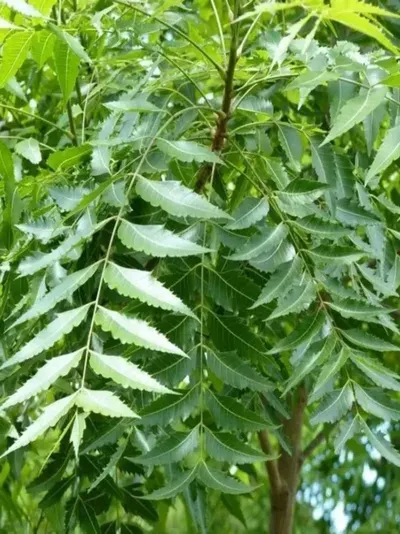
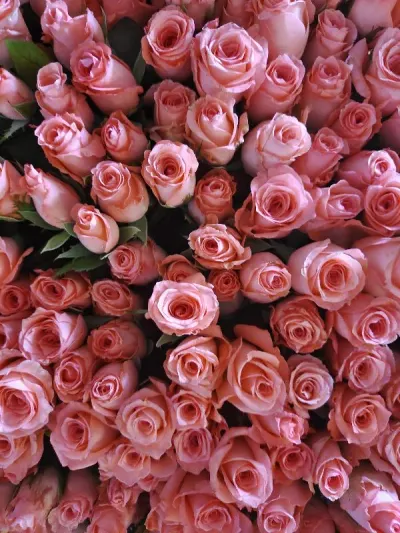
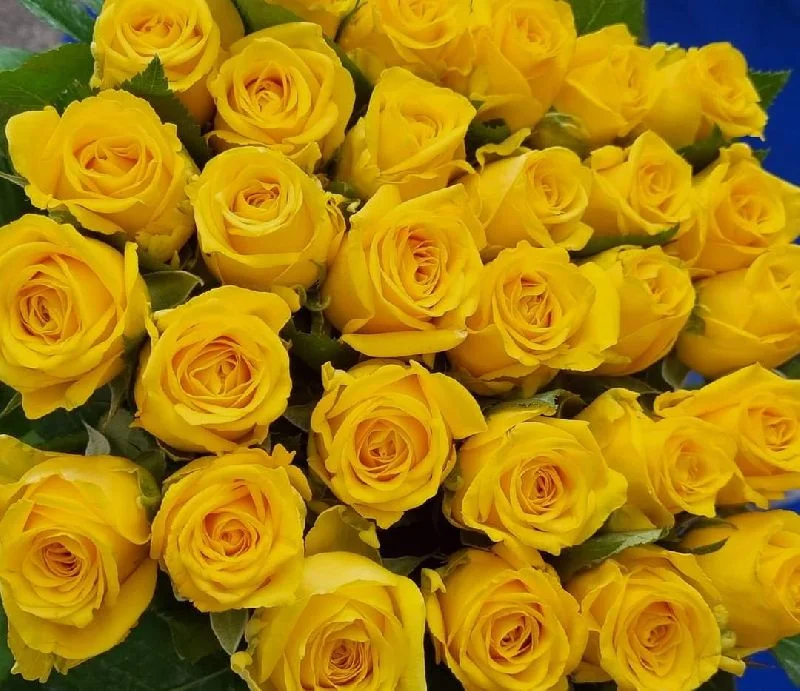
The rose selection generally includes standard garden varieties with stem lengths from 40 cm to 70 cm and bud counts of 30 - 70 per stem, grades ranging from A to C depending on uniformity. Chrysanthemums are offered in both spray and single‑stem forms, with head diameters of 12 - 20 cm and colour variety from white to deep red. Hypericum branches are supplied as foliage with berry clusters, commonly used as filler in bouquets, with berry length up to 15 mm. Leather ferns are provided as potted or cut foliage, notable for their thick, glossy fronds, typically trimmed to 30 - 45 cm for floral design. Anthuriums are listed with glossy spathe colours and stem lengths of 25 - 45 cm, frequently graded for petal condition and vascular health. All items are harvested and packed according to standard cold‑chain protocols required for international flower trade.
Product Range and Specialties of Neptune Flowers Agencies
The catalogue of Neptune Flowers Agencies comprises roses, chrysanthemums, hypericum, leather ferns and anthuriums. These five items represent the most common cut‑flower and foliage categories supplied from Kenya, each falling under the broader HS 06.01‑06.09 range for fresh cut flowers and ornamental foliage. In the global market roses are typically graded from A1 (perfect uniformity, no blemishes) to C3 (minor defects), while chrysanthemums are sorted by head size and colour consistency. Hypericum and leather ferns are evaluated on foliage density, colour retention and absence of pests, and anthuriums are assessed for spathe colour uniformity and stem rigidity.
Industry practice for these Kenyan exports includes compliance with GlobalGAP farm standards, ISO 9001 quality management and strict pesticide‑residue limits set by importing countries. Packaging usually consists of insulated cardboard boxes lined with polystyrene, moisture‑absorbing pads and refrigerated gel packs, sealed for transport in 40‑ft reefer containers that maintain 0 °C ± 2 °C. Typical container loads range from 10 000 to 15 000 stems for roses, with proportionate quantities for the other species, allowing efficient bulk shipment while preserving vase life.
Trade and Export Information - Neptune Flowers Agencies
Cut flowers from Kenya are primarily shipped to the European Union (Netherlands, United Kingdom, Germany), the Middle East (United Arab Emirates, Saudi Arabia) and the United States. Importers in these regions normally require a phytosanitary certificate, a pesticide‑residue analysis report and, where applicable, a proof of compliance with GlobalGAP or similar sustainability schemes. HS chapter 06 governs customs treatment, and many EU customs authorities apply additional inspection under the EU Plant Health Regime, which can involve random sampling at entry ports.
Logistics for Kenyan cut‑flower exports rely on air freight for urgent small orders and on 40‑ft refrigerated sea containers for larger volumes. Common Incoterms used are FOB Mombasa or CIF destination, with temperature‑controlled handling from farm to port. Exporters must adhere to the Kenya Plant Health Inspectorate Service (KEPHIS) regulations, which include field inspections, post‑harvest treatment and documentation of pesticide use. Buyers typically arrange third‑party pre‑shipment inspection to verify compliance with the importing country’s standards before cargo is loaded.
Sourcing from Neptune Flowers Agencies - Buyer Guidance
When sourcing from Neptune Flowers Agencies, buyers should request the latest phytosanitary certificate and a detailed pesticide‑residue test report for each flower type. It is advisable to obtain a sample batch and verify stem length, colour consistency and foliage integrity against the specifications described in the catalogue. Confirm that the supplier can provide GlobalGAP or ISO 9001 audit reports if such certifications are required by the buyer’s market.
Typical minimum order quantities for a full 40‑ft reefer container range from 8 000 to 12 000 stems, depending on the mix of varieties. Lead time from order confirmation to shipment is usually 4 - 6 weeks, allowing for harvesting, grading, packing and customs clearance. Buyers should also verify the packaging configuration (insulated boxes, gel packs, moisture pads) and request a loading plan to ensure the cold chain is maintained throughout transport.
Frequently Asked Questions About Neptune Flowers Agencies
What flower varieties does Neptune Flowers Agencies list in its catalogue?
The catalogue includes roses, chrysanthemums, hypericum, leather ferns and anthuriums, giving a total of five distinct cut‑flower or foliage products.
Are any certifications held by Neptune Flowers Agencies mentioned in the supplied data?
No certifications are listed in the provided facts; buyers should request any needed certificates such as GlobalGAP, ISO 9001 or a phytosanitary certificate.
What are the typical quality parameters for the roses offered?
Roses are normally assessed on stem length (40‑70 cm), bud count (30‑70 per stem) and visual grade (A‑C) for uniformity and absence of blemishes.
How are the flowers packaged for export?
Standard practice is insulated cardboard boxes with polystyrene liners, moisture‑absorbing pads and refrigerated gel packs, loaded into 40‑ft temperature‑controlled containers.
Which markets commonly import Kenyan cut flowers like those listed?
The European Union, the Middle East (UAE, Saudi Arabia) and the United States are the main destinations for Kenyan cut‑flower exports.
What documentation should a buyer obtain before shipment?
Buyers should obtain a phytosanitary certificate, a pesticide‑residue analysis report and, if required, proof of compliance with GlobalGAP or ISO 9001.
What are typical minimum order quantities and lead times?
A full 40‑ft refrigerated container usually requires 8 000‑12 000 stems as a minimum, and the lead time from order to shipment is typically 4‑6 weeks.
Can buyers request samples of the listed flowers?
Yes, buyers can ask for a sample lot that reflects the catalogue specifications, allowing verification of stem length, colour and foliage quality before placing a larger order.




 , Kenya