Liyuan Industrial & Trade Co., Ltd. — Supplier

About Liyuan Industrial & Trade Co., Ltd. - Glass Bottle Supplier in China

China hosts Liyuan Industrial & Trade Co., Ltd., which currently lists five distinct glass‑bottle products in its catalogue. The range includes an alcohol glass bottle, a red‑wine glass bottle, an olive‑oil glass bottle, a general beverage glass bottle and a spray bottle, each designed for liquid containment and classified under HS chapter 70 for glassware. The supplier’s catalogue specifies the product types but does not disclose individual HS codes, capacities or material grades. Typical industry capacities for these categories span from 250 ml for spray applications up to 750 ml for wine, with bottle weights ranging between 250 g and 500 g depending on thickness. Packaging is usually supplied in cardboard cartons that fit standard shipping containers.

The product portfolio focuses on single‑use and refillable glass containers that meet food‑contact requirements in most markets. While the catalogue does not list certifications, glass bottles of this type are commonly produced from soda‑lime glass with a wall thickness of 0.5 mm to 1.2 mm, and may feature colored glass (green for wine, amber for oil) to protect contents from light. Buyers can expect standard neck finishes such as 28 mm or 38 mm for compatibility with caps and pumps. All items are intended for export and are typically loaded in 20‑ft or 40‑ft containers, with each case holding 12 bottles and pallets arranged to maximise container volume.

Product Range and Specialties of Liyuan Industrial & Trade Co., Ltd.

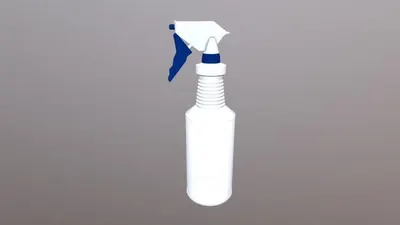
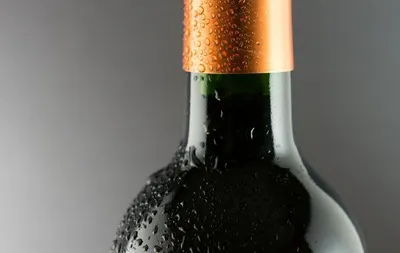
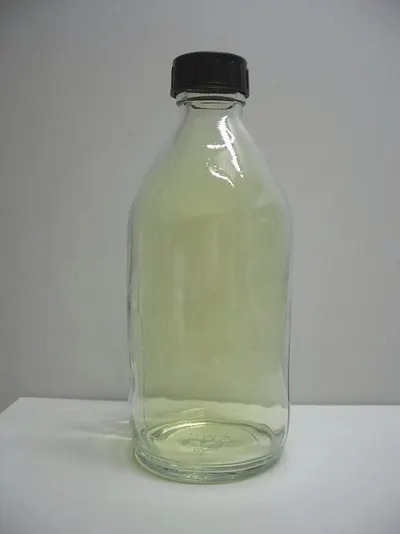
The five listed items cover the main segments of the liquid‑packaging market: alcoholic spirits, red wine, culinary olive oil, general beverages and spray applications. In the glass‑bottle industry, alcohol bottles are often produced in 750 ml or 1 L volumes with a thick base for stability, while red‑wine bottles commonly use a 750 ml size with a 38 mm neck finish. Olive‑oil bottles are usually 500 ml to 1 L with amber tint to block UV light, and generic beverage bottles range from 250 ml to 1 L with clear or tinted glass. Spray bottles differ by having a narrower neck (typically 24 mm) and a built‑in trigger or pump mechanism, and they are often supplied with a plastic spray head that attaches to the glass neck. Industry standards for these containers include compliance with FDA food‑contact regulations, EU Regulation (EU) No 10/2011 for food contact materials, and adherence to ISO 9001 quality‑management systems where applicable.

Trade and Export Information - Liyuan Industrial & Trade Co., Ltd.

China is a major exporter of glass packaging, with shipments from coastal manufacturing zones to markets in North America, the European Union, the Middle East and Southeast Asia. Glass containers fall under HS 7010 series codes; HS 7010.00 covers glass containers for beverages, while HS 7010.90 applies to other glass containers such as spray bottles. Importers typically require proof of compliance with food‑contact standards, lead‑content testing results and, where relevant, certifications such as ISO 9001 or ISO 14001 for environmental management. Containers are usually packed in double‑wall cardboard cartons, 12 units per case, and loaded on standard 20‑ft or 40‑ft containers with a typical loading of 1,500 kg for a 20‑ft box. Export documentation commonly includes a commercial invoice, packing list, certificate of origin and, for food‑contact glass, a compliance declaration referencing FDA or EU standards.

Sourcing from Liyuan Industrial & Trade Co., Ltd. - Buyer Guidance

When sourcing glass bottles from Liyuan, buyers should request a product data sheet that details dimensions, neck finish, glass thickness, weight and capacity. Sample bottles should be inspected for visual defects, dimensional accuracy and compatibility with intended closures; a laboratory test report confirming lead content below 0.025 % by weight is standard for food‑contact glass. Buyers are advised to obtain the supplier’s ISO 9001 audit report, any FDA food‑contact certification, and a compliance declaration referencing EU Regulation (EU) No 10/2011 before confirming orders. Verification of packaging specifications, such as carton strength and pallet configuration, helps ensure safe transport and minimizes damage risk during container loading.

Frequently Asked Questions About Liyuan Industrial & Trade Co., Ltd.

What glass bottle products are listed by Liyuan Industrial & Trade Co., Ltd.?

The catalogue shows five products: an alcohol glass bottle, a red‑wine glass bottle, an olive‑oil glass bottle, a general beverage glass bottle and a spray bottle. Each item is a single‑material soda‑lime glass container designed for liquid contents.

What are the typical capacities for each bottle type?

Alcohol and red‑wine bottles are most often supplied in 750 ml volumes, olive‑oil bottles commonly range from 500 ml to 1 L, beverage bottles are offered between 250 ml and 1 L, and spray bottles are usually 300 ml to 500 ml. Exact capacity is indicated on the product data sheet.

Which certifications should a buyer request for these glass bottles?

Buyers should ask for FDA food‑contact certification, the EU food‑contact compliance declaration (Regulation (EU) No 10/2011), and an ISO 9001 quality‑management audit report if available. Lead‑content test results confirming compliance with the 0.025 % limit are also standard.

How are the bottles packaged for export?

Bottles are packed in double‑wall cardboard cartons, typically 12 bottles per case. Cases are stacked on standard Euro pallets and loaded into 20‑ft or 40‑ft containers, with weight distribution optimized for container stability.

What HS codes are applicable to these glass containers?

Glass containers for beverages fall under HS 7010.00, while other glass bottles such as spray bottles are classified under HS 7010.90. The specific sub‑heading depends on the intended use and design of the bottle.

What lead‑content limits apply to food‑contact glass bottles?

The FDA limits lead to 0.1 mg/L in food‑contact glass, and the EU sets a stricter limit of 0.025 % by weight. Test reports should confirm that the supplied bottles meet the applicable limit.

What are the typical minimum order quantity and lead time?

A common minimum order is 5,000 units per bottle type, though larger orders may receive better container loading efficiency. Lead time after artwork approval is generally 30 - 45 days.

What documentation is required for customs clearance?

Standard export documents include a commercial invoice, packing list, certificate of origin and, where food‑contact glass is involved, a compliance declaration referencing FDA or EU standards. These documents support customs clearance in most importing countries.


Featured Products from this Supplier

EximNext
7.2K+ live requirements
Register Free🎁 Reach global buyers
Post Requirement
🌍 Trusted by 225K+ businesses in 200+ countries|
7.2K+ active requirements right now
✉️ [email protected]
|
Sell on EximNextPost Requirement
EximNext
AgricultureApparelConstructionElectronicFoodHomeIndustrialMineralsMiscellaneous
🔥 Deals|✨ AI Match|🏭 Suppliers|📋 Buy Leads|💰 Trade Finance
7.2K+ live RFQs·194.8K+ suppliers
🎁 Reach global buyers →
EximNext
EximNext
Register Free
🎁 Reach global buyers
Sign In
📋Post Requirement💬Get Quotes✨AI Match📋RFQ Marketplace
All Categories
Services & Tools
🏭Supplier Directory🔥Today's Deals💰Trade Finance
Sell on EximNext →
AboutContactBlogHelp
Industrial & Minerals  ·  China
5
products listed

Liyuan Industrial & Trade Co., Ltd.

⚓ Harbor
Country flag , ChinaNew supplier / no reviews yet
🛡️
55/100
Trust Score

Liyuan Industrial & Trade Co., Ltd. Product Catalog

Showing 5 of 5 products
View all products →
Spray bottle
⚓ Harbor
Spray bottle
Contact
MOQ: 1 Unit
Beverage glass bottle
⚓ Harbor
Beverage glass bottle
Contact
MOQ: 1 Unit
Olive oil glass bottle
⚓ Harbor
Olive oil glass bottle
Contact
MOQ: 1 Unit
Red wine glass bottle
⚓ Harbor
Red wine glass bottle
Contact
MOQ: 1 Unit
Alcohol glass bottle
⚓ Harbor
Alcohol glass bottle
Contact
MOQ: 1 Unit

About Liyuan Industrial & Trade Co., Ltd. - Glass Bottle Supplier in China

China hosts Liyuan Industrial & Trade Co., Ltd., which currently lists five distinct glass‑bottle products in its catalogue. The range includes an alcohol glass bottle, a red‑wine glass bottle, an olive‑oil glass bottle, a general beverage glass bottle and a spray bottle, each designed for liquid containment and classified under HS chapter 70 for glassware. The supplier’s catalogue specifies the product types but does not disclose individual HS codes, capacities or material grades. Typical industry capacities for these categories span from 250 ml for spray applications up to 750 ml for wine, with bottle weights ranging between 250 g and 500 g depending on thickness. Packaging is usually supplied in cardboard cartons that fit standard shipping containers.

The product portfolio focuses on single‑use and refillable glass containers that meet food‑contact requirements in most markets. While the catalogue does not list certifications, glass bottles of this type are commonly produced from soda‑lime glass with a wall thickness of 0.5 mm to 1.2 mm, and may feature colored glass (green for wine, amber for oil) to protect contents from light. Buyers can expect standard neck finishes such as 28 mm or 38 mm for compatibility with caps and pumps. All items are intended for export and are typically loaded in 20‑ft or 40‑ft containers, with each case holding 12 bottles and pallets arranged to maximise container volume.

Product Range and Specialties of Liyuan Industrial & Trade Co., Ltd.

The five listed items cover the main segments of the liquid‑packaging market: alcoholic spirits, red wine, culinary olive oil, general beverages and spray applications. In the glass‑bottle industry, alcohol bottles are often produced in 750 ml or 1 L volumes with a thick base for stability, while red‑wine bottles commonly use a 750 ml size with a 38 mm neck finish. Olive‑oil bottles are usually 500 ml to 1 L with amber tint to block UV light, and generic beverage bottles range from 250 ml to 1 L with clear or tinted glass. Spray bottles differ by having a narrower neck (typically 24 mm) and a built‑in trigger or pump mechanism, and they are often supplied with a plastic spray head that attaches to the glass neck. Industry standards for these containers include compliance with FDA food‑contact regulations, EU Regulation (EU) No 10/2011 for food contact materials, and adherence to ISO 9001 quality‑management systems where applicable.

Trade and Export Information - Liyuan Industrial & Trade Co., Ltd.

China is a major exporter of glass packaging, with shipments from coastal manufacturing zones to markets in North America, the European Union, the Middle East and Southeast Asia. Glass containers fall under HS 7010 series codes; HS 7010.00 covers glass containers for beverages, while HS 7010.90 applies to other glass containers such as spray bottles. Importers typically require proof of compliance with food‑contact standards, lead‑content testing results and, where relevant, certifications such as ISO 9001 or ISO 14001 for environmental management. Containers are usually packed in double‑wall cardboard cartons, 12 units per case, and loaded on standard 20‑ft or 40‑ft containers with a typical loading of 1,500 kg for a 20‑ft box. Export documentation commonly includes a commercial invoice, packing list, certificate of origin and, for food‑contact glass, a compliance declaration referencing FDA or EU standards.

Sourcing from Liyuan Industrial & Trade Co., Ltd. - Buyer Guidance

When sourcing glass bottles from Liyuan, buyers should request a product data sheet that details dimensions, neck finish, glass thickness, weight and capacity. Sample bottles should be inspected for visual defects, dimensional accuracy and compatibility with intended closures; a laboratory test report confirming lead content below 0.025 % by weight is standard for food‑contact glass. Buyers are advised to obtain the supplier’s ISO 9001 audit report, any FDA food‑contact certification, and a compliance declaration referencing EU Regulation (EU) No 10/2011 before confirming orders. Verification of packaging specifications, such as carton strength and pallet configuration, helps ensure safe transport and minimizes damage risk during container loading.

Frequently Asked Questions About Liyuan Industrial & Trade Co., Ltd.

What glass bottle products are listed by Liyuan Industrial & Trade Co., Ltd.?

The catalogue shows five products: an alcohol glass bottle, a red‑wine glass bottle, an olive‑oil glass bottle, a general beverage glass bottle and a spray bottle. Each item is a single‑material soda‑lime glass container designed for liquid contents.

What are the typical capacities for each bottle type?

Alcohol and red‑wine bottles are most often supplied in 750 ml volumes, olive‑oil bottles commonly range from 500 ml to 1 L, beverage bottles are offered between 250 ml and 1 L, and spray bottles are usually 300 ml to 500 ml. Exact capacity is indicated on the product data sheet.

Which certifications should a buyer request for these glass bottles?

Buyers should ask for FDA food‑contact certification, the EU food‑contact compliance declaration (Regulation (EU) No 10/2011), and an ISO 9001 quality‑management audit report if available. Lead‑content test results confirming compliance with the 0.025 % limit are also standard.

How are the bottles packaged for export?

Bottles are packed in double‑wall cardboard cartons, typically 12 bottles per case. Cases are stacked on standard Euro pallets and loaded into 20‑ft or 40‑ft containers, with weight distribution optimized for container stability.

What HS codes are applicable to these glass containers?

Glass containers for beverages fall under HS 7010.00, while other glass bottles such as spray bottles are classified under HS 7010.90. The specific sub‑heading depends on the intended use and design of the bottle.

What lead‑content limits apply to food‑contact glass bottles?

The FDA limits lead to 0.1 mg/L in food‑contact glass, and the EU sets a stricter limit of 0.025 % by weight. Test reports should confirm that the supplied bottles meet the applicable limit.

What are the typical minimum order quantity and lead time?

A common minimum order is 5,000 units per bottle type, though larger orders may receive better container loading efficiency. Lead time after artwork approval is generally 30 - 45 days.

What documentation is required for customs clearance?

Standard export documents include a commercial invoice, packing list, certificate of origin and, where food‑contact glass is involved, a compliance declaration referencing FDA or EU standards. These documents support customs clearance in most importing countries.

About Liyuan Industrial & Trade Co., Ltd. - Glass Bottle Supplier in China

China hosts Liyuan Industrial & Trade Co., Ltd., which currently lists five distinct glass‑bottle products in its catalogue. The range includes an alcohol glass bottle, a red‑wine glass bottle, an olive‑oil glass bottle, a general beverage glass bottle and a spray bottle, each designed for liquid containment and classified under HS chapter 70 for glassware. The supplier’s catalogue specifies the product types but does not disclose individual HS codes, capacities or material grades. Typical industry capacities for these categories span from 250 ml for spray applications up to 750 ml for wine, with bottle weights ranging between 250 g and 500 g depending on thickness. Packaging is usually supplied in cardboard cartons that fit standard shipping containers.

The product portfolio focuses on single‑use and refillable glass containers that meet food‑contact requirements in most markets. While the catalogue does not list certifications, glass bottles of this type are commonly produced from soda‑lime glass with a wall thickness of 0.5 mm to 1.2 mm, and may feature colored glass (green for wine, amber for oil) to protect contents from light. Buyers can expect standard neck finishes such as 28 mm or 38 mm for compatibility with caps and pumps. All items are intended for export and are typically loaded in 20‑ft or 40‑ft containers, with each case holding 12 bottles and pallets arranged to maximise container volume.

Product Range and Specialties of Liyuan Industrial & Trade Co., Ltd.

The five listed items cover the main segments of the liquid‑packaging market: alcoholic spirits, red wine, culinary olive oil, general beverages and spray applications. In the glass‑bottle industry, alcohol bottles are often produced in 750 ml or 1 L volumes with a thick base for stability, while red‑wine bottles commonly use a 750 ml size with a 38 mm neck finish. Olive‑oil bottles are usually 500 ml to 1 L with amber tint to block UV light, and generic beverage bottles range from 250 ml to 1 L with clear or tinted glass. Spray bottles differ by having a narrower neck (typically 24 mm) and a built‑in trigger or pump mechanism, and they are often supplied with a plastic spray head that attaches to the glass neck. Industry standards for these containers include compliance with FDA food‑contact regulations, EU Regulation (EU) No 10/2011 for food contact materials, and adherence to ISO 9001 quality‑management systems where applicable.

Trade and Export Information - Liyuan Industrial & Trade Co., Ltd.

China is a major exporter of glass packaging, with shipments from coastal manufacturing zones to markets in North America, the European Union, the Middle East and Southeast Asia. Glass containers fall under HS 7010 series codes; HS 7010.00 covers glass containers for beverages, while HS 7010.90 applies to other glass containers such as spray bottles. Importers typically require proof of compliance with food‑contact standards, lead‑content testing results and, where relevant, certifications such as ISO 9001 or ISO 14001 for environmental management. Containers are usually packed in double‑wall cardboard cartons, 12 units per case, and loaded on standard 20‑ft or 40‑ft containers with a typical loading of 1,500 kg for a 20‑ft box. Export documentation commonly includes a commercial invoice, packing list, certificate of origin and, for food‑contact glass, a compliance declaration referencing FDA or EU standards.

Sourcing from Liyuan Industrial & Trade Co., Ltd. - Buyer Guidance

When sourcing glass bottles from Liyuan, buyers should request a product data sheet that details dimensions, neck finish, glass thickness, weight and capacity. Sample bottles should be inspected for visual defects, dimensional accuracy and compatibility with intended closures; a laboratory test report confirming lead content below 0.025 % by weight is standard for food‑contact glass. Buyers are advised to obtain the supplier’s ISO 9001 audit report, any FDA food‑contact certification, and a compliance declaration referencing EU Regulation (EU) No 10/2011 before confirming orders. Verification of packaging specifications, such as carton strength and pallet configuration, helps ensure safe transport and minimizes damage risk during container loading.

Frequently Asked Questions About Liyuan Industrial & Trade Co., Ltd.
What glass bottle products are listed by Liyuan Industrial & Trade Co., Ltd.?
The catalogue shows five products: an alcohol glass bottle, a red‑wine glass bottle, an olive‑oil glass bottle, a general beverage glass bottle and a spray bottle. Each item is a single‑material soda‑lime glass container designed for liquid contents.
What are the typical capacities for each bottle type?
Alcohol and red‑wine bottles are most often supplied in 750 ml volumes, olive‑oil bottles commonly range from 500 ml to 1 L, beverage bottles are offered between 250 ml and 1 L, and spray bottles are usually 300 ml to 500 ml. Exact capacity is indicated on the product data sheet.
Which certifications should a buyer request for these glass bottles?
Buyers should ask for FDA food‑contact certification, the EU food‑contact compliance declaration (Regulation (EU) No 10/2011), and an ISO 9001 quality‑management audit report if available. Lead‑content test results confirming compliance with the 0.025 % limit are also standard.
How are the bottles packaged for export?
Bottles are packed in double‑wall cardboard cartons, typically 12 bottles per case. Cases are stacked on standard Euro pallets and loaded into 20‑ft or 40‑ft containers, with weight distribution optimized for container stability.
What HS codes are applicable to these glass containers?
Glass containers for beverages fall under HS 7010.00, while other glass bottles such as spray bottles are classified under HS 7010.90. The specific sub‑heading depends on the intended use and design of the bottle.
What lead‑content limits apply to food‑contact glass bottles?
The FDA limits lead to 0.1 mg/L in food‑contact glass, and the EU sets a stricter limit of 0.025 % by weight. Test reports should confirm that the supplied bottles meet the applicable limit.
What are the typical minimum order quantity and lead time?
A common minimum order is 5,000 units per bottle type, though larger orders may receive better container loading efficiency. Lead time after artwork approval is generally 30 - 45 days.
What documentation is required for customs clearance?
Standard export documents include a commercial invoice, packing list, certificate of origin and, where food‑contact glass is involved, a compliance declaration referencing FDA or EU standards. These documents support customs clearance in most importing countries.

Liyuan Industrial & Trade Co., Ltd.
Country flag China
⚓ HarborIndustrial & Minerals
55/100
Trust Score
5
Products
✓ Free to contact — no commission
✓ Escrow payment available
✓ Verified business identity
Compare more suppliers
Post a requirement — get 10 quotes free
Let verified suppliers compete for your business. Free, fast, no commitment.
Due Diligence
Verify this supplier's real shipping history.
Every shipment, every buyer, every port. Trade data that can't be faked.
Run due diligence →
Discover More

Related Suppliers & Products

Explore similar suppliers, related products and trending categories

Featured Products from this Supplier

Stay ahead in global trade
Weekly market insights & new supplier alerts.
EximNext
Exim Next is a leading global B2B marketplace, connecting over 220,000 registered suppliers and buyers across 200+ countries. As a trusted import export marketplace, it serves as the essential B2B portal for businesses worldwide, empowering them to expand their international reach. With Exim Next, businesses can trade smarter and grow faster.
SECURE PAYMENTS
VISAMastercardPayPalSWIFTL/CEscrow
Follow us
© 2026 EximNext