Libaz Sourcing (Pvt) Ltd — Supplier
About Libaz Sourcing (Pvt) Ltd - Curtains Supplier in Pakistan
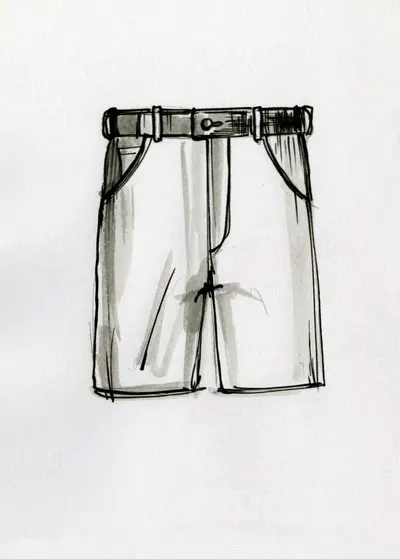
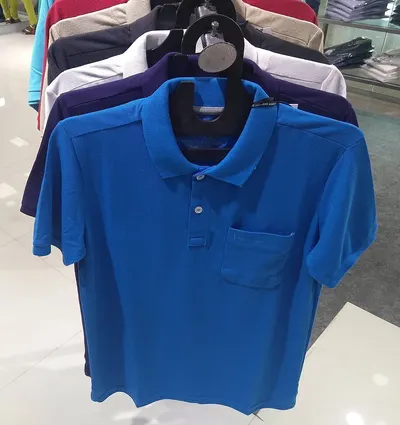
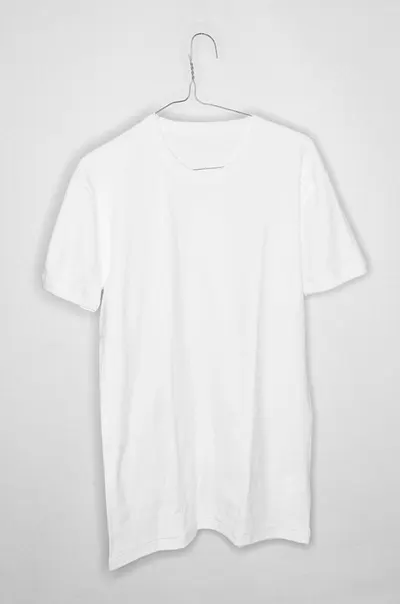
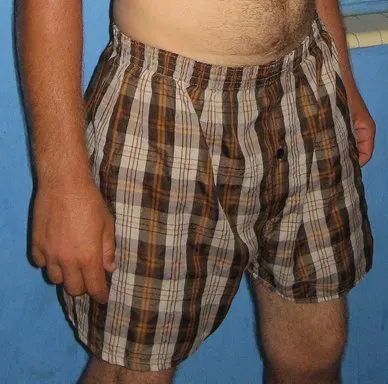
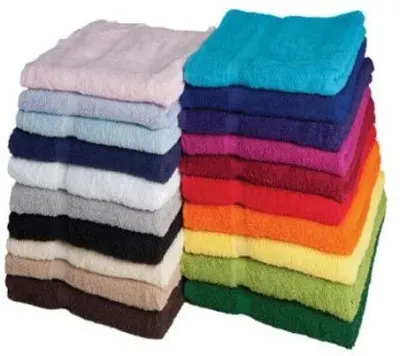
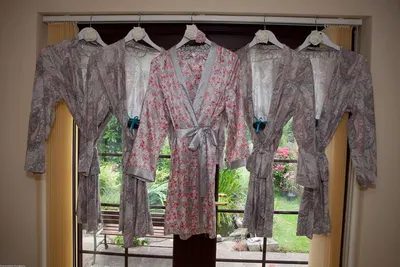
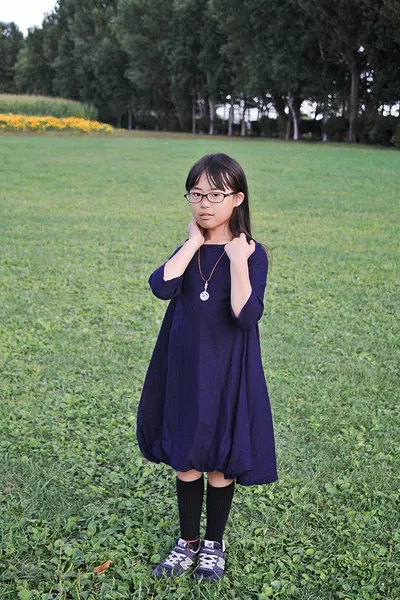
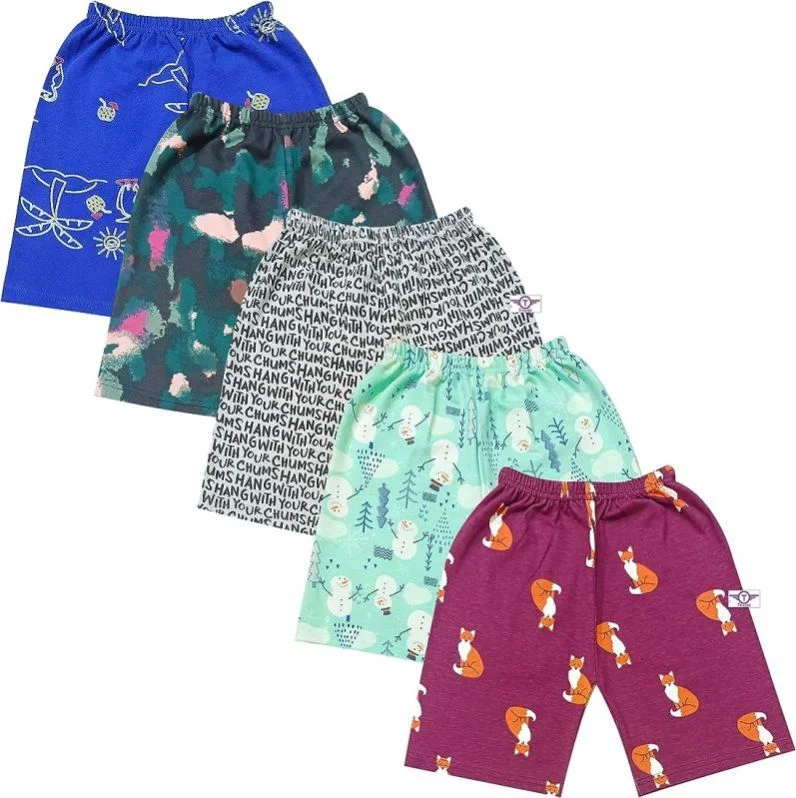
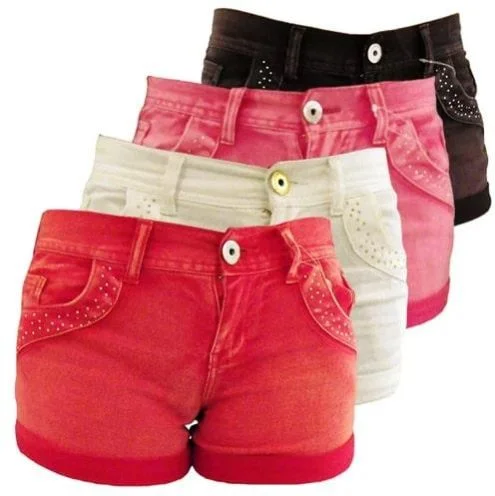
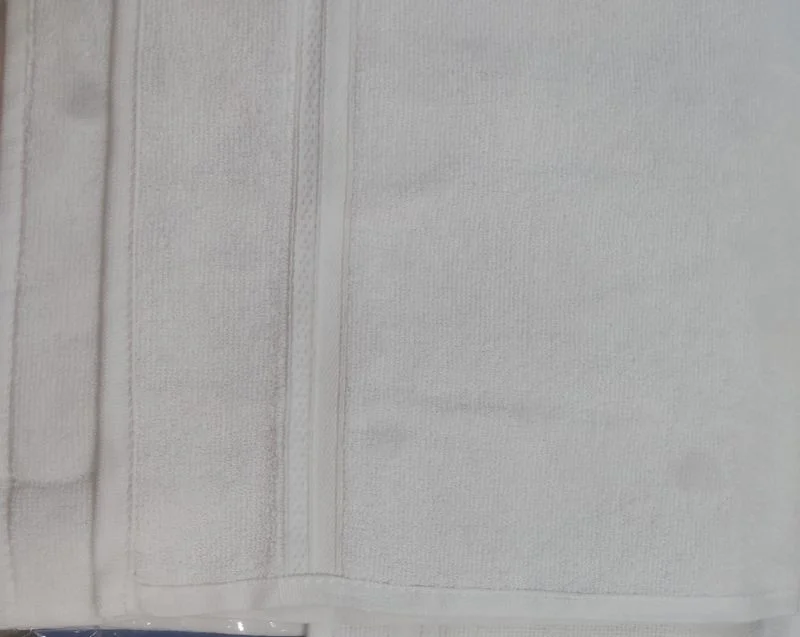
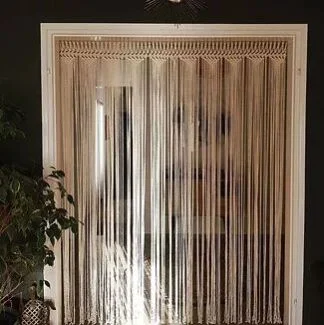
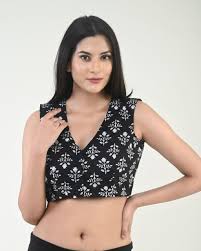
Libaz Sourcing (Pvt) Ltd is based in Pakistan and currently lists ten active products in its catalogue. The catalogue includes home textile items such as Curtains and Towels, as well as apparel items including a Ladies & Girls Sleeveless Blouse, Kids Girl Dress, Basic T‑Shirt, Shorts & Boxer, Tie & Dye Top, Short Sleeve Solid T‑Shirt, Hooded Shirt, and Denim Pant and Shorts. Each product is recorded under the supplier’s imported tier and harbor trust tier, indicating that the company operates as an importer for its listed goods. The product list spans both home‑textile and garment categories, reflecting a diversified offering within the Pakistani textile sector.
Product Range and Specialties of Libaz Sourcing (Pvt) Ltd
Libaz Sourcing’s catalogue lists Curtains, Towels, and a variety of ready‑made garments. In the home‑textile segment, curtains are typically manufactured from polyester‑cotton blends with a weight range of 180‑250 g/m² and may meet fire‑retardant standards such as NFPA 701. Towels are commonly produced from 100 % cotton with a GSM of 400‑600, and buyers often look for Oeko‑Tex Standard 100 certification to verify the absence of harmful substances. The garment items include sleeveless blouses, dresses, T‑shirts, shorts, boxer briefs, tie‑and‑dye tops, hooded shirts, and denim apparel, which are generally made from woven or knit cotton, polyester blends, or cotton‑denim fabrics with typical specifications such as 30‑40 % cotton for tops and 100 % cotton denim of 12‑14 oz weight for pants and shorts.
Industry practice for these product types includes standard size grading (e.g., XS‑XL for tops, 28‑38 in waist for shorts) and quality checks for colorfastness, shrinkage, and seam strength. For curtains, buyers often request measurements in centimeters for panel width and drop length, as well as test reports for light‑transmittance. Towels are evaluated for absorbency, loop density, and edge stitching. Denim garments are commonly inspected for stitch count (e.g., 10‑12 stitches per cm) and garment construction tolerances.
Trade and Export Information - Libaz Sourcing (Pvt) Ltd
Pakistan is a recognized exporter of both home textiles and ready‑made garments, with major markets in the United States, European Union, Middle East, and South‑East Asia. Home‑textile items such as curtains fall under HS code 6303, while towels are classified under HS code 6302. Apparel items are generally covered by HS codes 6109 (women’s T‑shirts) and 6203 (men’s shirts) or 6204 (trousers). Export shipments are frequently handled in 20‑ft or 40‑ft containers, with standard packaging that includes poly‑bags for individual garments and cardboard boxes for bulk curtain or towel orders.
Buyers typically require certifications such as ISO 9001 for quality management, Oeko‑Tex Standard 100 for textile safety, and, where applicable, fire‑retardant test certificates for curtains. Pakistani textile exporters often work with inspection agencies like SGS or Bureau Veritas to provide pre‑shipment inspection reports. Incoterms most commonly used are FOB Karachi or CIF destination ports, with freight forwarding services arranged for containerized loads. Seasonal demand peaks for home‑textiles in the northern hemisphere’s autumn months, while garment orders align with fashion calendar cycles.
Sourcing from Libaz Sourcing (Pvt) Ltd - Buyer Guidance
When sourcing from Libaz Sourcing, buyers should request product samples that include a full‑size curtain panel, a towel set (e.g., 2 × 50 × 70 cm), and representative garment pieces. Sample evaluation should verify GSM for towels, fabric composition for curtains, and stitching quality for garments. Buyers are advised to ask for test reports covering colorfastness (ISO 105‑B02), shrinkage (ISO 6330), and, for curtains, fire‑retardancy (NFPA 701).
Because the supplier does not list specific certifications, purchasers should confirm that the factory can provide Oeko‑Tex Standard 100 certificates for textiles and ISO 9001 documentation for overall quality management. Typical minimum order quantities in the Pakistani market range from 500 units for garments to 200 kg for towels and 10 meter rolls for curtains, though exact figures depend on the buyer’s specifications. Lead times for production are usually 30‑45 days after sample approval, with packaging in sealed poly‑bags for garments and bulk cartons for curtains and towels, ready for container loading.
Frequently Asked Questions About Libaz Sourcing (Pvt) Ltd
What product categories does Libaz Sourcing (Pvt) Ltd list?
The supplier lists ten products, including Curtains, Towels, and eight garment items such as Ladies & Girls Sleeveless Blouse, Kids Girl Dress, Basic T‑Shirt, Shorts & Boxer, Tie & Dye Top, Short Sleeve Solid T‑Shirt, Hooded Shirt, and Denim Pant and Shorts.
Which HS codes are relevant for the listed home‑textile items?
Curtains are generally classified under HS code 6303 and Towels under HS code 6302, which are the standard tariff headings for these product families.
What certifications should a buyer request for Curtains and Towels?
Buyers typically ask for fire‑retardant test certificates (e.g., NFPA 701) for curtains and Oeko‑Tex Standard 100 or similar textile safety certificates for towels, along with ISO 9001 for overall quality management.
What are typical sample sizes for the supplier’s apparel products?
A common sample size is a full‑size garment in the buyer’s target size range, such as a size M T‑Shirt or a size 6 Dress, allowing verification of fabric weight, stitching, and fit.
What packaging formats are used for export shipments?
Garments are usually packed in sealed poly‑bags and then placed in cardboard cartons; Curtains and Towels are often shipped in bulk cartons or rolled and wrapped in protective film for container loading.
Which markets commonly import Pakistani curtains and towels?
Major import markets include the United States, European Union countries, the United Arab Emirates, and Saudi Arabia, where home‑textile demand aligns with seasonal interior‑design cycles.
What is a typical lead time for an order from this supplier?
After sample approval, production lead times are generally 30 to 45 days, depending on order volume and specific garment or textile specifications.
What documentation should a buyer verify before placing a large order?
Buyers should obtain the supplier’s factory audit report, product test certificates (colorfastness, GSM, fire‑retardancy), and any applicable export documentation such as the commercial invoice and packing list.




 , Pakistan