Kaktin M. INC. — Supplier

About Kaktin M. INC. - Moulds Supplier in India

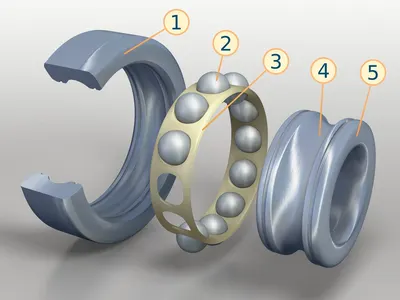
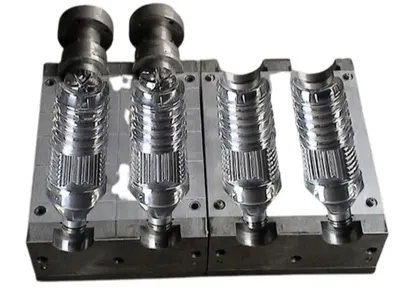
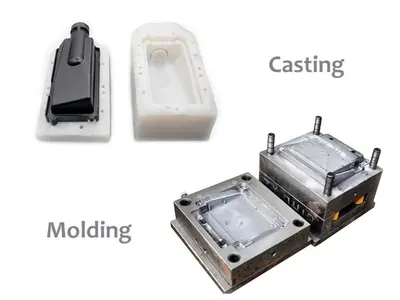
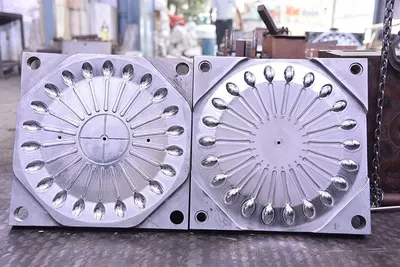
Kaktin M. INC. is based in India, operating as an imported‑tier supplier with a catalogue of five distinct products. The company’s current listing includes four types of moulds - timing belt mould, cog mould, ring mould and plain mould - as well as a rotary seal component. Each item is positioned for industrial applications such as automotive parts manufacturing, mechanical assemblies and rubber sealing solutions. The product set reflects standard tooling used in high‑volume production lines, where precision and durability are critical. The supplier’s catalogue does not disclose additional product variations beyond these five entries.

The timing belt mould, cog mould, ring mould and plain mould are categorized under machinery tooling, typically classified within HS chapter 84 for export reporting. The rotary seal is a mechanical sealing element commonly grouped with industrial hardware under the same HS chapter. While the supplier’s data does not specify material composition, such moulds are ordinarily fabricated from hardened steel or aluminum alloys, and rotary seals often employ nitrile or silicone elastomers. The listed products suggest a focus on medium‑scale manufacturing equipment rather than bespoke custom tooling. No further product specifications, such as cavity count or bore size, are provided in the public catalogue.

Product Range and Specialties of Kaktin M. INC.

Kaktin M. INC. offers a concise range of tooling: timing belt mould, cog mould, ring mould, plain mould and a rotary seal. In the moulding industry, timing belt moulds are typically produced from high‑carbon or alloy steel with surface hardness of 45‑55 HRC to withstand repeated compression cycles. Cog moulds for gear teeth are often machined to tolerances of ±0.02 mm and may feature polished cavities to reduce flash. Ring moulds are used for O‑ring production and usually conform to ISO 3601 dimensions, with material grades ranging from stainless steel to hardened steel inserts. Plain moulds serve as generic stamping or forming tools and are commonly supplied in standard sizes such as 300 mm × 300 mm with a cavity depth of 30‑100 mm. Rotary seals are frequently made from nitrile (NBR) or fluorocarbon (FKM) elastomers, rated for operating temperatures from - 40 °C to +150 °C, and may incorporate metal reinforcements for high‑pressure applications.

Trade and Export Information - Kaktin M. INC.

India is a major exporter of engineering tools, and moulds or sealing components from the country are regularly shipped to automotive and machinery manufacturers in Europe, North America and Southeast Asia. Buyers in these regions typically import under HS chapter 84, and they often require compliance with ISO 9001 quality‑management systems, as well as material‑specific certifications such as ISO 14001 for environmental management or CE marking for European market entry. Standard logistics involve crate‑packing the steel tooling with foam protection, palletising, and loading into 20‑ft or 40‑ft containers; common Incoterms include FOB Mumbai or CIF Europe depending on the buyer’s preference. Indian export ports such as Mumbai, Chennai and Kolkata provide established handling facilities for heavy industrial goods, and customs inspections focus on HS classification, valuation and any required phytosanitary or safety documentation.

Sourcing from Kaktin M. INC. - Buyer Guidance

When sourcing these moulds or the rotary seal, buyers should request a detailed engineering drawing, a Material Test Certificate and a heat‑treatment or hardness report to verify that the product meets the stated specifications. Additional documentation such as a CE conformity declaration is advisable for shipments to the European Union, while North American buyers often look for UL or ANSI references where applicable. Verifying the supplier’s ISO 9001 certification and obtaining a sample or prototype before full‑scale production can help confirm dimensional accuracy, surface finish and material compatibility.

Frequently Asked Questions About Kaktin M. INC.

What product categories are listed in Kaktin M. INC.'s catalogue?

The catalogue lists five items - timing belt mould, cog mould, ring mould, plain mould and a rotary seal - all classified as industrial tooling and sealing components.

Which material specifications are typical for the moulds offered?

Moulds are usually fabricated from hardened alloy steel or aluminum, with hardness levels between 45  -  55 HRC and dimensional tolerances of ±0.02 mm for critical features. Buyers often request a hardness test report to confirm these parameters.

What certifications are commonly required for these types of tooling?

Buyers typically ask for a Material Test Certificate, a Heat‑Treatment Report, and evidence of ISO 9001 quality‑management compliance. For European shipments, a CE marking declaration may also be required.

How are rotary seals generally constructed and what performance ranges are expected?

Rotary seals are commonly built from nitrile (NBR) or fluorocarbon (FKM) elastomers, sometimes reinforced with stainless‑steel rings. They are rated for temperature ranges from - 40 °C to +150 °C and pressures up to 10 bar, depending on the elastomer grade.

What packaging and shipping formats are standard for moulds and seals from India?

Items are typically crate‑packed with foam inserts, palletized, and loaded into 20‑ft or 40‑ft containers. Export terms frequently used are FOB from major Indian ports or CIF to the buyer’s destination.

Which markets most often import these tooling products from India?

Major importers include automotive and machinery manufacturers in Europe, North America and Southeast Asia, where precision tooling supports high‑volume production lines.

What documentation should a buyer obtain before placing an order?

Buyers should secure a detailed engineering drawing, material certification, hardness test report, and, where applicable, a CE conformity declaration. Requesting a sample or prototype is also advisable to verify fit and finish.

What are typical lead times and minimum order quantities for these items?

Lead times for standard moulds and rotary seals from Indian manufacturers usually range from 4 to 8 weeks after order confirmation, depending on the complexity and any required post‑processing. Minimum order quantities are often set at one unit per mould type, with larger batches preferred for cost efficiency.


Featured Products from this Supplier

EximNext
7.1K+ live requirements
Register Free🎁 Reach global buyers
Post Requirement
🌍 Trusted by 225K+ businesses in 200+ countries|
7.1K+ active requirements right now
✉️ [email protected]
|
Sell on EximNextPost Requirement
EximNext
AgricultureApparelConstructionElectronicFoodHomeIndustrialMineralsMiscellaneous
🔥 Deals|✨ AI Match|🏭 Suppliers|📋 Buy Leads|💰 Trade Finance
7.1K+ live RFQs·194.8K+ suppliers
🎁 Reach global buyers →
EximNext
EximNext
Register Free
🎁 Reach global buyers
Sign In
📋Post Requirement💬Get Quotes✨AI Match📋RFQ Marketplace
All Categories
Services & Tools
🏭Supplier Directory🔥Today's Deals💰Trade Finance
Sell on EximNext →
AboutContactBlogHelp
Global Trade  ·  India
5
products listed

Kaktin M. INC.

⚓ Harbor
Country flag , IndiaNew supplier / no reviews yet
🛡️
56/100
Trust Score

Kaktin M. INC. Product Catalog

Showing 5 of 5 products
View all products →
Rotary seal
⚓ Harbor
Rotary seal
Contact
MOQ: 1 Unit
Plain mould
⚓ Harbor
Plain mould
Contact
MOQ: 1 Unit
Ring mould
⚓ Harbor
Ring mould
Contact
MOQ: 1 Unit
Cog mould
⚓ Harbor
Cog mould
Contact
MOQ: 1 Unit
Timing belt mould
⚓ Harbor
Timing belt mould
Contact
MOQ: 1 Unit

About Kaktin M. INC. - Moulds Supplier in India

Kaktin M. INC. is based in India, operating as an imported‑tier supplier with a catalogue of five distinct products. The company’s current listing includes four types of moulds - timing belt mould, cog mould, ring mould and plain mould - as well as a rotary seal component. Each item is positioned for industrial applications such as automotive parts manufacturing, mechanical assemblies and rubber sealing solutions. The product set reflects standard tooling used in high‑volume production lines, where precision and durability are critical. The supplier’s catalogue does not disclose additional product variations beyond these five entries.

The timing belt mould, cog mould, ring mould and plain mould are categorized under machinery tooling, typically classified within HS chapter 84 for export reporting. The rotary seal is a mechanical sealing element commonly grouped with industrial hardware under the same HS chapter. While the supplier’s data does not specify material composition, such moulds are ordinarily fabricated from hardened steel or aluminum alloys, and rotary seals often employ nitrile or silicone elastomers. The listed products suggest a focus on medium‑scale manufacturing equipment rather than bespoke custom tooling. No further product specifications, such as cavity count or bore size, are provided in the public catalogue.

Product Range and Specialties of Kaktin M. INC.

Kaktin M. INC. offers a concise range of tooling: timing belt mould, cog mould, ring mould, plain mould and a rotary seal. In the moulding industry, timing belt moulds are typically produced from high‑carbon or alloy steel with surface hardness of 45‑55 HRC to withstand repeated compression cycles. Cog moulds for gear teeth are often machined to tolerances of ±0.02 mm and may feature polished cavities to reduce flash. Ring moulds are used for O‑ring production and usually conform to ISO 3601 dimensions, with material grades ranging from stainless steel to hardened steel inserts. Plain moulds serve as generic stamping or forming tools and are commonly supplied in standard sizes such as 300 mm × 300 mm with a cavity depth of 30‑100 mm. Rotary seals are frequently made from nitrile (NBR) or fluorocarbon (FKM) elastomers, rated for operating temperatures from - 40 °C to +150 °C, and may incorporate metal reinforcements for high‑pressure applications.

Trade and Export Information - Kaktin M. INC.

India is a major exporter of engineering tools, and moulds or sealing components from the country are regularly shipped to automotive and machinery manufacturers in Europe, North America and Southeast Asia. Buyers in these regions typically import under HS chapter 84, and they often require compliance with ISO 9001 quality‑management systems, as well as material‑specific certifications such as ISO 14001 for environmental management or CE marking for European market entry. Standard logistics involve crate‑packing the steel tooling with foam protection, palletising, and loading into 20‑ft or 40‑ft containers; common Incoterms include FOB Mumbai or CIF Europe depending on the buyer’s preference. Indian export ports such as Mumbai, Chennai and Kolkata provide established handling facilities for heavy industrial goods, and customs inspections focus on HS classification, valuation and any required phytosanitary or safety documentation.

Sourcing from Kaktin M. INC. - Buyer Guidance

When sourcing these moulds or the rotary seal, buyers should request a detailed engineering drawing, a Material Test Certificate and a heat‑treatment or hardness report to verify that the product meets the stated specifications. Additional documentation such as a CE conformity declaration is advisable for shipments to the European Union, while North American buyers often look for UL or ANSI references where applicable. Verifying the supplier’s ISO 9001 certification and obtaining a sample or prototype before full‑scale production can help confirm dimensional accuracy, surface finish and material compatibility.

Frequently Asked Questions About Kaktin M. INC.

What product categories are listed in Kaktin M. INC.'s catalogue?

The catalogue lists five items - timing belt mould, cog mould, ring mould, plain mould and a rotary seal - all classified as industrial tooling and sealing components.

Which material specifications are typical for the moulds offered?

Moulds are usually fabricated from hardened alloy steel or aluminum, with hardness levels between 45  -  55 HRC and dimensional tolerances of ±0.02 mm for critical features. Buyers often request a hardness test report to confirm these parameters.

What certifications are commonly required for these types of tooling?

Buyers typically ask for a Material Test Certificate, a Heat‑Treatment Report, and evidence of ISO 9001 quality‑management compliance. For European shipments, a CE marking declaration may also be required.

How are rotary seals generally constructed and what performance ranges are expected?

Rotary seals are commonly built from nitrile (NBR) or fluorocarbon (FKM) elastomers, sometimes reinforced with stainless‑steel rings. They are rated for temperature ranges from - 40 °C to +150 °C and pressures up to 10 bar, depending on the elastomer grade.

What packaging and shipping formats are standard for moulds and seals from India?

Items are typically crate‑packed with foam inserts, palletized, and loaded into 20‑ft or 40‑ft containers. Export terms frequently used are FOB from major Indian ports or CIF to the buyer’s destination.

Which markets most often import these tooling products from India?

Major importers include automotive and machinery manufacturers in Europe, North America and Southeast Asia, where precision tooling supports high‑volume production lines.

What documentation should a buyer obtain before placing an order?

Buyers should secure a detailed engineering drawing, material certification, hardness test report, and, where applicable, a CE conformity declaration. Requesting a sample or prototype is also advisable to verify fit and finish.

What are typical lead times and minimum order quantities for these items?

Lead times for standard moulds and rotary seals from Indian manufacturers usually range from 4 to 8 weeks after order confirmation, depending on the complexity and any required post‑processing. Minimum order quantities are often set at one unit per mould type, with larger batches preferred for cost efficiency.

About Kaktin M. INC. - Moulds Supplier in India

Kaktin M. INC. is based in India, operating as an imported‑tier supplier with a catalogue of five distinct products. The company’s current listing includes four types of moulds - timing belt mould, cog mould, ring mould and plain mould - as well as a rotary seal component. Each item is positioned for industrial applications such as automotive parts manufacturing, mechanical assemblies and rubber sealing solutions. The product set reflects standard tooling used in high‑volume production lines, where precision and durability are critical. The supplier’s catalogue does not disclose additional product variations beyond these five entries.

The timing belt mould, cog mould, ring mould and plain mould are categorized under machinery tooling, typically classified within HS chapter 84 for export reporting. The rotary seal is a mechanical sealing element commonly grouped with industrial hardware under the same HS chapter. While the supplier’s data does not specify material composition, such moulds are ordinarily fabricated from hardened steel or aluminum alloys, and rotary seals often employ nitrile or silicone elastomers. The listed products suggest a focus on medium‑scale manufacturing equipment rather than bespoke custom tooling. No further product specifications, such as cavity count or bore size, are provided in the public catalogue.

Product Range and Specialties of Kaktin M. INC.

Kaktin M. INC. offers a concise range of tooling: timing belt mould, cog mould, ring mould, plain mould and a rotary seal. In the moulding industry, timing belt moulds are typically produced from high‑carbon or alloy steel with surface hardness of 45‑55 HRC to withstand repeated compression cycles. Cog moulds for gear teeth are often machined to tolerances of ±0.02 mm and may feature polished cavities to reduce flash. Ring moulds are used for O‑ring production and usually conform to ISO 3601 dimensions, with material grades ranging from stainless steel to hardened steel inserts. Plain moulds serve as generic stamping or forming tools and are commonly supplied in standard sizes such as 300 mm × 300 mm with a cavity depth of 30‑100 mm. Rotary seals are frequently made from nitrile (NBR) or fluorocarbon (FKM) elastomers, rated for operating temperatures from - 40 °C to +150 °C, and may incorporate metal reinforcements for high‑pressure applications.

Trade and Export Information - Kaktin M. INC.

India is a major exporter of engineering tools, and moulds or sealing components from the country are regularly shipped to automotive and machinery manufacturers in Europe, North America and Southeast Asia. Buyers in these regions typically import under HS chapter 84, and they often require compliance with ISO 9001 quality‑management systems, as well as material‑specific certifications such as ISO 14001 for environmental management or CE marking for European market entry. Standard logistics involve crate‑packing the steel tooling with foam protection, palletising, and loading into 20‑ft or 40‑ft containers; common Incoterms include FOB Mumbai or CIF Europe depending on the buyer’s preference. Indian export ports such as Mumbai, Chennai and Kolkata provide established handling facilities for heavy industrial goods, and customs inspections focus on HS classification, valuation and any required phytosanitary or safety documentation.

Sourcing from Kaktin M. INC. - Buyer Guidance

When sourcing these moulds or the rotary seal, buyers should request a detailed engineering drawing, a Material Test Certificate and a heat‑treatment or hardness report to verify that the product meets the stated specifications. Additional documentation such as a CE conformity declaration is advisable for shipments to the European Union, while North American buyers often look for UL or ANSI references where applicable. Verifying the supplier’s ISO 9001 certification and obtaining a sample or prototype before full‑scale production can help confirm dimensional accuracy, surface finish and material compatibility.

Frequently Asked Questions About Kaktin M. INC.
What product categories are listed in Kaktin M. INC.'s catalogue?
The catalogue lists five items - timing belt mould, cog mould, ring mould, plain mould and a rotary seal - all classified as industrial tooling and sealing components.
Which material specifications are typical for the moulds offered?
Moulds are usually fabricated from hardened alloy steel or aluminum, with hardness levels between 45  -  55 HRC and dimensional tolerances of ±0.02 mm for critical features. Buyers often request a hardness test report to confirm these parameters.
What certifications are commonly required for these types of tooling?
Buyers typically ask for a Material Test Certificate, a Heat‑Treatment Report, and evidence of ISO 9001 quality‑management compliance. For European shipments, a CE marking declaration may also be required.
How are rotary seals generally constructed and what performance ranges are expected?
Rotary seals are commonly built from nitrile (NBR) or fluorocarbon (FKM) elastomers, sometimes reinforced with stainless‑steel rings. They are rated for temperature ranges from - 40 °C to +150 °C and pressures up to 10 bar, depending on the elastomer grade.
What packaging and shipping formats are standard for moulds and seals from India?
Items are typically crate‑packed with foam inserts, palletized, and loaded into 20‑ft or 40‑ft containers. Export terms frequently used are FOB from major Indian ports or CIF to the buyer’s destination.
Which markets most often import these tooling products from India?
Major importers include automotive and machinery manufacturers in Europe, North America and Southeast Asia, where precision tooling supports high‑volume production lines.
What documentation should a buyer obtain before placing an order?
Buyers should secure a detailed engineering drawing, material certification, hardness test report, and, where applicable, a CE conformity declaration. Requesting a sample or prototype is also advisable to verify fit and finish.
What are typical lead times and minimum order quantities for these items?
Lead times for standard moulds and rotary seals from Indian manufacturers usually range from 4 to 8 weeks after order confirmation, depending on the complexity and any required post‑processing. Minimum order quantities are often set at one unit per mould type, with larger batches preferred for cost efficiency.

Kaktin M. INC.
Country flag India
⚓ HarborGlobal Trade
56/100
Trust Score
5
Products
✓ Free to contact — no commission
✓ Escrow payment available
✓ Verified business identity
Compare more suppliers
Post a requirement — get 10 quotes free
Let verified suppliers compete for your business. Free, fast, no commitment.
Due Diligence
Verify this supplier's real shipping history.
Every shipment, every buyer, every port. Trade data that can't be faked.
Run due diligence →
Discover More

Related Suppliers & Products

Explore similar suppliers, related products and trending categories

Featured Products from this Supplier

Stay ahead in global trade
Weekly market insights & new supplier alerts.
EximNext
Exim Next is a leading global B2B marketplace, connecting over 220,000 registered suppliers and buyers across 200+ countries. As a trusted import export marketplace, it serves as the essential B2B portal for businesses worldwide, empowering them to expand their international reach. With Exim Next, businesses can trade smarter and grow faster.
SECURE PAYMENTS
VISAMastercardPayPalSWIFTL/CEscrow
Follow us
© 2026 EximNext