Kabang Automobile Electronics Co., Ltd. — Supplier

About Kabang Automobile Electronics Co., Ltd. - Automotive Sensors Supplier in China

Kabang Automobile Electronics Co., Ltd. operates out of China and currently lists five active automotive sensor products. The catalogue is limited to sensors that support vehicle control systems, specifically anti‑lock braking system (ABS) units and manifold absolute pressure (MAP) units. Each entry is recorded under the automotive electronics classification used by international trade databases. The supplier’s tier is listed as imported, indicating that the products are sourced for resale rather than manufactured in‑house. The trust tier is identified as harbor, which signals a moderate level of verification in B2B platforms.

The product set includes three ABS sensors differentiated by target market - one for European‑spec vehicles, one for American‑spec vehicles, and one for Korean and Japanese models. In addition, two MAP sensors are offered, each matched to European or American engine management requirements. All sensors are designed to interface with vehicle electronic control units and conform to the voltage and signal standards typical for passenger‑car applications. The listings reference only the functional designation; no additional HS‑code details are provided in the source data.

Product Range and Specialties of Kabang Automobile Electronics Co., Ltd.

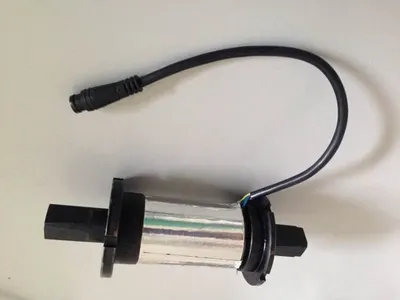
The ABS sensors in the catalogue are electronic speed‑rate devices that generate wheel‑speed signals for anti‑lock braking control. In the automotive sector these sensors are commonly built with Hall‑effect or magnetic‑inductive technology, housed in die‑cast aluminium or stainless‑steel enclosures, and rated for operating temperatures from - 40 °C to +125 °C. Typical specifications include a nominal 5 V supply, a signal output of 0 - 5 V or frequency‑based pulses, and compliance with ISO 26262 functional‑safety levels. The MAP sensors measure intake manifold pressure to support engine fuel‑metering; standard pressure ranges are 0‑250 kPa with an accuracy of ±1 % full‑scale, and they often feature a silicone diaphragm and a thermistor for temperature compensation. Buyers normally expect data sheets that list response time, pressure‑vs‑voltage curves, and vibration resistance (e.g., 10 g RMS at 100 Hz).

Trade and Export Information - Kabang Automobile Electronics Co., Ltd.

China is a major exporter of automotive electronic components, and sensors such as ABS and MAP units are routinely shipped to vehicle manufacturers and tier‑one suppliers in Europe, North America, and Southeast Asia. Export shipments are generally classified under the automotive electronics HS chapter (e.g., 9027‑80), and customs authorities often request conformity documentation such as CE marking, RoHS compliance, and an ISO 9001 quality‑management certificate. In practice, importers of these sensors look for evidence of IATF 16949 or ISO/TS 16949 certification, which demonstrates adherence to automotive‑industry quality standards. Typical packaging combines anti‑static bags with insulated foam inserts, placed in wooden crates or 20‑foot containers for sea freight; FOB and CIF terms are most frequently used. Chinese exporters also provide pre‑shipment inspection reports prepared by third‑party agencies to satisfy buyer due‑diligence requirements.

Sourcing from Kabang Automobile Electronics Co., Ltd. - Buyer Guidance

When sourcing ABS or MAP sensors from Kabang, buyers should request the latest product data sheet, a functional test report covering temperature and vibration limits, and copies of any applicable quality‑system certificates (e.g., ISO 9001, IATF 16949). Verifying the sensor’s vehicle‑specific calibration - such as wheel‑speed thresholds for ABS or pressure‑range settings for MAP - helps ensure compatibility with the intended OEM platform. It is advisable to obtain a pre‑production sample to confirm mechanical fit, connector type, and signal integrity before confirming bulk orders, and to clarify the minimum order quantity, which is often expressed in hundreds of units for automotive components.

Frequently Asked Questions About Kabang Automobile Electronics Co., Ltd.

What types of sensors does Kabang Automobile Electronics list?

The supplier lists three anti‑lock braking system (ABS) sensors for European, American, and Korean/Japanese vehicles, and two manifold absolute pressure (MAP) sensors for European and American cars.

Are any certifications mentioned for Kabang’s sensors?

The source facts do not specify certifications held by Kabang; buyers should request ISO 9001, IATF 16949, CE, and RoHS documentation as part of the sourcing process.

What typical specifications should a buyer verify for the ABS sensors?

Buyers usually check supply voltage (5 V), signal type (voltage or frequency), operating temperature range (‑40 °C to +125 °C), and functional‑safety compliance such as ISO 26262.

What performance parameters are standard for MAP sensors?

Standard MAP sensors cover a pressure range of 0‑250 kPa, accuracy of ±1 % full‑scale, include a temperature‑compensating thermistor, and operate within the same temperature limits as ABS sensors.

What packaging is commonly used for these automotive sensors?

Sensors are typically packed in anti‑static bags with foam inserts, then placed in wooden crates or pallets suitable for 20‑foot sea‑freight containers.

Which Incoterms are most frequently applied to shipments from China?

Buyers and exporters commonly use FOB (Free on Board) or CIF (Cost, Insurance, Freight) when arranging sea freight from Chinese ports.

What documentation should a buyer request before placing a bulk order?

A buyer should obtain a product data sheet, test reports for temperature and vibration, compliance certificates (CE, RoHS, ISO 9001/IATF 16949), and a pre‑shipment inspection report.

Is a sample available for fit‑and‑function testing?

Suppliers of automotive sensors typically provide a limited number of engineering samples; buyers should ask Kabang to supply a sample to verify connector type, mounting dimensions, and signal output before confirming volume orders.


Featured Products from this Supplier

EximNext
7.2K+ live requirements
Register Free🎁 Reach global buyers
Post Requirement
🌍 Trusted by 225K+ businesses in 200+ countries|
7.2K+ active requirements right now
✉️ [email protected]
|
Sell on EximNextPost Requirement
EximNext
AgricultureApparelConstructionElectronicFoodHomeIndustrialMineralsMiscellaneous
🔥 Deals|✨ AI Match|🏭 Suppliers|📋 Buy Leads|💰 Trade Finance
7.2K+ live RFQs·194.8K+ suppliers
🎁 Reach global buyers →
EximNext
EximNext
Register Free
🎁 Reach global buyers
Sign In
📋Post Requirement💬Get Quotes✨AI Match📋RFQ Marketplace
All Categories
Services & Tools
🏭Supplier Directory🔥Today's Deals💰Trade Finance
Sell on EximNext →
AboutContactBlogHelp
Electronics  ·  China
5
products listed

Kabang Automobile Electronics Co., Ltd.

⚓ Harbor
Country flag , ChinaNew supplier / no reviews yet
🛡️
55/100
Trust Score

Kabang Automobile Electronics Co., Ltd. Product Catalog

Showing 5 of 5 products
View all products →
MAP sensor for European car
⚓ Harbor
MAP sensor for European car
Contact
MOQ: 1 Unit
MAP sensor for American car
⚓ Harbor
MAP sensor for American car
Contact
MOQ: 1 Unit
ABS sensor for Korean and Japanese Car
⚓ Harbor
ABS sensor for Korean and Japanese Car
Contact
MOQ: 1 Unit
ABS sensor for American car
⚓ Harbor
ABS sensor for American car
Contact
MOQ: 1 Unit
ABS sensor for european car
⚓ Harbor
ABS sensor for european car
Contact
MOQ: 1 Unit

About Kabang Automobile Electronics Co., Ltd. - Automotive Sensors Supplier in China

Kabang Automobile Electronics Co., Ltd. operates out of China and currently lists five active automotive sensor products. The catalogue is limited to sensors that support vehicle control systems, specifically anti‑lock braking system (ABS) units and manifold absolute pressure (MAP) units. Each entry is recorded under the automotive electronics classification used by international trade databases. The supplier’s tier is listed as imported, indicating that the products are sourced for resale rather than manufactured in‑house. The trust tier is identified as harbor, which signals a moderate level of verification in B2B platforms.

The product set includes three ABS sensors differentiated by target market - one for European‑spec vehicles, one for American‑spec vehicles, and one for Korean and Japanese models. In addition, two MAP sensors are offered, each matched to European or American engine management requirements. All sensors are designed to interface with vehicle electronic control units and conform to the voltage and signal standards typical for passenger‑car applications. The listings reference only the functional designation; no additional HS‑code details are provided in the source data.

Product Range and Specialties of Kabang Automobile Electronics Co., Ltd.

The ABS sensors in the catalogue are electronic speed‑rate devices that generate wheel‑speed signals for anti‑lock braking control. In the automotive sector these sensors are commonly built with Hall‑effect or magnetic‑inductive technology, housed in die‑cast aluminium or stainless‑steel enclosures, and rated for operating temperatures from - 40 °C to +125 °C. Typical specifications include a nominal 5 V supply, a signal output of 0 - 5 V or frequency‑based pulses, and compliance with ISO 26262 functional‑safety levels. The MAP sensors measure intake manifold pressure to support engine fuel‑metering; standard pressure ranges are 0‑250 kPa with an accuracy of ±1 % full‑scale, and they often feature a silicone diaphragm and a thermistor for temperature compensation. Buyers normally expect data sheets that list response time, pressure‑vs‑voltage curves, and vibration resistance (e.g., 10 g RMS at 100 Hz).

Trade and Export Information - Kabang Automobile Electronics Co., Ltd.

China is a major exporter of automotive electronic components, and sensors such as ABS and MAP units are routinely shipped to vehicle manufacturers and tier‑one suppliers in Europe, North America, and Southeast Asia. Export shipments are generally classified under the automotive electronics HS chapter (e.g., 9027‑80), and customs authorities often request conformity documentation such as CE marking, RoHS compliance, and an ISO 9001 quality‑management certificate. In practice, importers of these sensors look for evidence of IATF 16949 or ISO/TS 16949 certification, which demonstrates adherence to automotive‑industry quality standards. Typical packaging combines anti‑static bags with insulated foam inserts, placed in wooden crates or 20‑foot containers for sea freight; FOB and CIF terms are most frequently used. Chinese exporters also provide pre‑shipment inspection reports prepared by third‑party agencies to satisfy buyer due‑diligence requirements.

Sourcing from Kabang Automobile Electronics Co., Ltd. - Buyer Guidance

When sourcing ABS or MAP sensors from Kabang, buyers should request the latest product data sheet, a functional test report covering temperature and vibration limits, and copies of any applicable quality‑system certificates (e.g., ISO 9001, IATF 16949). Verifying the sensor’s vehicle‑specific calibration - such as wheel‑speed thresholds for ABS or pressure‑range settings for MAP - helps ensure compatibility with the intended OEM platform. It is advisable to obtain a pre‑production sample to confirm mechanical fit, connector type, and signal integrity before confirming bulk orders, and to clarify the minimum order quantity, which is often expressed in hundreds of units for automotive components.

Frequently Asked Questions About Kabang Automobile Electronics Co., Ltd.

What types of sensors does Kabang Automobile Electronics list?

The supplier lists three anti‑lock braking system (ABS) sensors for European, American, and Korean/Japanese vehicles, and two manifold absolute pressure (MAP) sensors for European and American cars.

Are any certifications mentioned for Kabang’s sensors?

The source facts do not specify certifications held by Kabang; buyers should request ISO 9001, IATF 16949, CE, and RoHS documentation as part of the sourcing process.

What typical specifications should a buyer verify for the ABS sensors?

Buyers usually check supply voltage (5 V), signal type (voltage or frequency), operating temperature range (‑40 °C to +125 °C), and functional‑safety compliance such as ISO 26262.

What performance parameters are standard for MAP sensors?

Standard MAP sensors cover a pressure range of 0‑250 kPa, accuracy of ±1 % full‑scale, include a temperature‑compensating thermistor, and operate within the same temperature limits as ABS sensors.

What packaging is commonly used for these automotive sensors?

Sensors are typically packed in anti‑static bags with foam inserts, then placed in wooden crates or pallets suitable for 20‑foot sea‑freight containers.

Which Incoterms are most frequently applied to shipments from China?

Buyers and exporters commonly use FOB (Free on Board) or CIF (Cost, Insurance, Freight) when arranging sea freight from Chinese ports.

What documentation should a buyer request before placing a bulk order?

A buyer should obtain a product data sheet, test reports for temperature and vibration, compliance certificates (CE, RoHS, ISO 9001/IATF 16949), and a pre‑shipment inspection report.

Is a sample available for fit‑and‑function testing?

Suppliers of automotive sensors typically provide a limited number of engineering samples; buyers should ask Kabang to supply a sample to verify connector type, mounting dimensions, and signal output before confirming volume orders.

About Kabang Automobile Electronics Co., Ltd. - Automotive Sensors Supplier in China

Kabang Automobile Electronics Co., Ltd. operates out of China and currently lists five active automotive sensor products. The catalogue is limited to sensors that support vehicle control systems, specifically anti‑lock braking system (ABS) units and manifold absolute pressure (MAP) units. Each entry is recorded under the automotive electronics classification used by international trade databases. The supplier’s tier is listed as imported, indicating that the products are sourced for resale rather than manufactured in‑house. The trust tier is identified as harbor, which signals a moderate level of verification in B2B platforms.

The product set includes three ABS sensors differentiated by target market - one for European‑spec vehicles, one for American‑spec vehicles, and one for Korean and Japanese models. In addition, two MAP sensors are offered, each matched to European or American engine management requirements. All sensors are designed to interface with vehicle electronic control units and conform to the voltage and signal standards typical for passenger‑car applications. The listings reference only the functional designation; no additional HS‑code details are provided in the source data.

Product Range and Specialties of Kabang Automobile Electronics Co., Ltd.

The ABS sensors in the catalogue are electronic speed‑rate devices that generate wheel‑speed signals for anti‑lock braking control. In the automotive sector these sensors are commonly built with Hall‑effect or magnetic‑inductive technology, housed in die‑cast aluminium or stainless‑steel enclosures, and rated for operating temperatures from - 40 °C to +125 °C. Typical specifications include a nominal 5 V supply, a signal output of 0 - 5 V or frequency‑based pulses, and compliance with ISO 26262 functional‑safety levels. The MAP sensors measure intake manifold pressure to support engine fuel‑metering; standard pressure ranges are 0‑250 kPa with an accuracy of ±1 % full‑scale, and they often feature a silicone diaphragm and a thermistor for temperature compensation. Buyers normally expect data sheets that list response time, pressure‑vs‑voltage curves, and vibration resistance (e.g., 10 g RMS at 100 Hz).

Trade and Export Information - Kabang Automobile Electronics Co., Ltd.

China is a major exporter of automotive electronic components, and sensors such as ABS and MAP units are routinely shipped to vehicle manufacturers and tier‑one suppliers in Europe, North America, and Southeast Asia. Export shipments are generally classified under the automotive electronics HS chapter (e.g., 9027‑80), and customs authorities often request conformity documentation such as CE marking, RoHS compliance, and an ISO 9001 quality‑management certificate. In practice, importers of these sensors look for evidence of IATF 16949 or ISO/TS 16949 certification, which demonstrates adherence to automotive‑industry quality standards. Typical packaging combines anti‑static bags with insulated foam inserts, placed in wooden crates or 20‑foot containers for sea freight; FOB and CIF terms are most frequently used. Chinese exporters also provide pre‑shipment inspection reports prepared by third‑party agencies to satisfy buyer due‑diligence requirements.

Sourcing from Kabang Automobile Electronics Co., Ltd. - Buyer Guidance

When sourcing ABS or MAP sensors from Kabang, buyers should request the latest product data sheet, a functional test report covering temperature and vibration limits, and copies of any applicable quality‑system certificates (e.g., ISO 9001, IATF 16949). Verifying the sensor’s vehicle‑specific calibration - such as wheel‑speed thresholds for ABS or pressure‑range settings for MAP - helps ensure compatibility with the intended OEM platform. It is advisable to obtain a pre‑production sample to confirm mechanical fit, connector type, and signal integrity before confirming bulk orders, and to clarify the minimum order quantity, which is often expressed in hundreds of units for automotive components.

Frequently Asked Questions About Kabang Automobile Electronics Co., Ltd.
What types of sensors does Kabang Automobile Electronics list?
The supplier lists three anti‑lock braking system (ABS) sensors for European, American, and Korean/Japanese vehicles, and two manifold absolute pressure (MAP) sensors for European and American cars.
Are any certifications mentioned for Kabang’s sensors?
The source facts do not specify certifications held by Kabang; buyers should request ISO 9001, IATF 16949, CE, and RoHS documentation as part of the sourcing process.
What typical specifications should a buyer verify for the ABS sensors?
Buyers usually check supply voltage (5 V), signal type (voltage or frequency), operating temperature range (‑40 °C to +125 °C), and functional‑safety compliance such as ISO 26262.
What performance parameters are standard for MAP sensors?
Standard MAP sensors cover a pressure range of 0‑250 kPa, accuracy of ±1 % full‑scale, include a temperature‑compensating thermistor, and operate within the same temperature limits as ABS sensors.
What packaging is commonly used for these automotive sensors?
Sensors are typically packed in anti‑static bags with foam inserts, then placed in wooden crates or pallets suitable for 20‑foot sea‑freight containers.
Which Incoterms are most frequently applied to shipments from China?
Buyers and exporters commonly use FOB (Free on Board) or CIF (Cost, Insurance, Freight) when arranging sea freight from Chinese ports.
What documentation should a buyer request before placing a bulk order?
A buyer should obtain a product data sheet, test reports for temperature and vibration, compliance certificates (CE, RoHS, ISO 9001/IATF 16949), and a pre‑shipment inspection report.
Is a sample available for fit‑and‑function testing?
Suppliers of automotive sensors typically provide a limited number of engineering samples; buyers should ask Kabang to supply a sample to verify connector type, mounting dimensions, and signal output before confirming volume orders.

Kabang Automobile Electronics Co., Ltd.
Country flag China
⚓ HarborElectronics
55/100
Trust Score
5
Products
✓ Free to contact — no commission
✓ Escrow payment available
✓ Verified business identity
Compare more suppliers
Post a requirement — get 10 quotes free
Let verified suppliers compete for your business. Free, fast, no commitment.
Due Diligence
Verify this supplier's real shipping history.
Every shipment, every buyer, every port. Trade data that can't be faked.
Run due diligence →
Discover More

Related Suppliers & Products

Explore similar suppliers, related products and trending categories

Featured Products from this Supplier

Stay ahead in global trade
Weekly market insights & new supplier alerts.
EximNext
Exim Next is a leading global B2B marketplace, connecting over 220,000 registered suppliers and buyers across 200+ countries. As a trusted import export marketplace, it serves as the essential B2B portal for businesses worldwide, empowering them to expand their international reach. With Exim Next, businesses can trade smarter and grow faster.
SECURE PAYMENTS
VISAMastercardPayPalSWIFTL/CEscrow
Follow us
© 2026 EximNext