Jin Ming Auto Parts Manufacturing Technology Ltd — Verified Supplier
About Jin Ming Auto Parts Manufacturing Technology Ltd - CNC Machines & Spare Parts Supplier in China
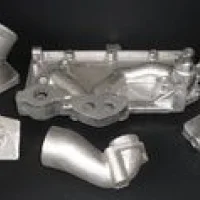
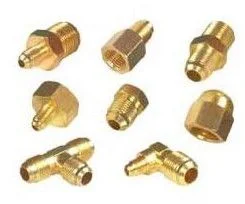
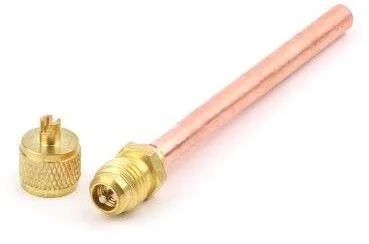
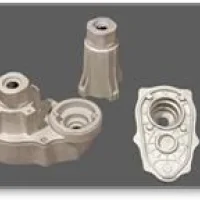
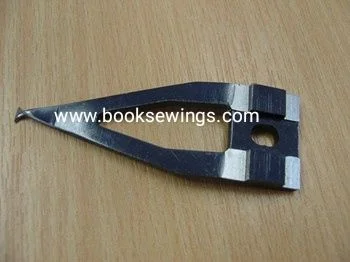
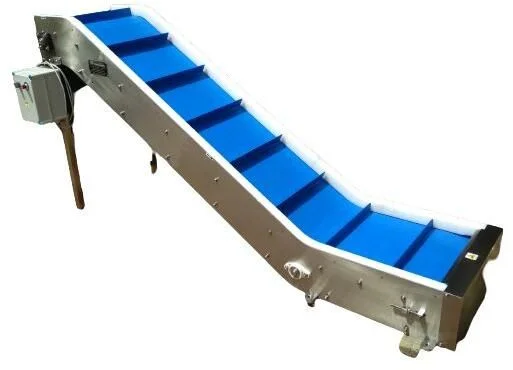
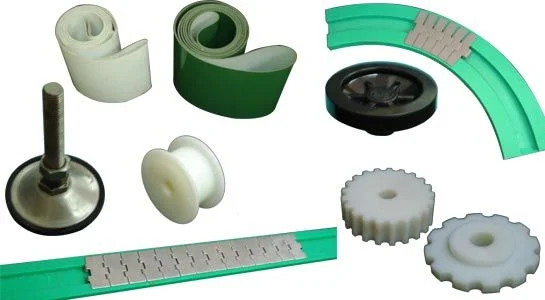
Jin Ming Auto Parts Manufacturing Technology Ltd is based in China and lists five active machining part products. The catalogue covers Food & Beverage, Telecommunication, Electronics, Medical Equipment, and Automotive machining parts. These items fall under the CNC Machines & Spare Parts sector and are classified mainly under HS chapter 84, with codes 8479.89 for most parts and 8473.30 for telecommunication components, while the automotive parts use HS 8708.99. Materials cited include stainless steel grades 304/316, aluminum alloys 6061‑T6 and 7075, brass C36000, copper C11000, and carbon steel grades such as 1018 and 1045. The medical equipment machining parts are listed without a specific HS code, reflecting the broader classification often applied to specialized health‑care components.
Food & Beverage machining parts are typically fabricated from corrosion‑resistant stainless steel 304/316 or aluminum alloy 6061‑T6 to meet hygiene standards in processing equipment. Telecommunication components often require precise tolerances and may be finished to Ra 0.4 µm, using materials like brass C360 and copper C110 for conductive paths. Electronics machining parts commonly adhere to RoHS compliance and are supplied in aluminum or stainless steel to balance weight and thermal conductivity. Automotive machining parts sourced from China frequently meet ISO 9001 quality management requirements and are shipped in standard 20‑ft containers with protective packaging. Medical equipment parts generally follow ISO 13485 standards and may be subject to additional sterilization‑compatible material selections.
Product Range and Specialties of Jin Ming Auto Parts Manufacturing Technology Ltd
The supplier’s catalogue lists five machining part families: Food & Beverage, Telecommunication, Electronics, Medical Equipment, and Automotive. Each family is offered in multiple alloys, with stainless steel 304/316 providing a typical tensile strength of 520 MPa and corrosion resistance, while aluminum alloy 6061‑T6 offers a yield strength of 275 MPa and good machinability. Brass C36000 is commonly used for its electrical conductivity (≈28 % IACS) and copper C11000 for high‑conductivity applications (≈100 % IACS). Carbon steel grades 1018 and 1045 deliver hardness ranges of 120 - 180 HB, suitable for general‑purpose components.
In CNC machining, buyers usually specify surface finish (e.g., Ra 0.8 µm for general parts, Ra 0.2 µm for precision optics), dimensional tolerance of ±0.05 mm, and heat‑treatment conditions such as T6 for aluminum. Standard packaging includes double‑wall corrugated boxes with anti‑static liners for electronic parts, and bulk pallets for automotive components. Common HS‑code families for these items are 84.79 for general machine parts, 84.73 for telecommunications equipment, and 87.08 for automotive accessories.
Trade and Export Information - Jin Ming Auto Parts Manufacturing Technology Ltd
China remains a leading exporter of CNC‑machined components, shipping primarily to Europe (Germany, Italy), North America (USA, Canada), and emerging markets in Southeast Asia. The HS‑code 8479.89 and 8473.30 are classified under Chapter 84, which is subject to customs inspections for material composition and safety compliance. Buyers often request ISO 9001 or ISO 13485 certificates, CE marking for equipment entering the EU, and RoHS test reports for electronic‑grade parts.
Typical shipping terms include FOB Shanghai or CIF destination ports, with cargo packed in 20‑ft or 40‑ft containers depending on volume. For high‑value medical or electronic parts, anti‑static liners and moisture‑controlled pallets are standard. Export documentation from China must include a commercial invoice, packing list, certificate of origin, and where applicable, an export license for dual‑use technology.
Sourcing from Jin Ming Auto Parts Manufacturing Technology Ltd - Buyer Guidance
When sourcing machining parts from Jin Ming, buyers should request material test reports (e.g., ASTM A240 for stainless steel, ASTM B209 for aluminum) to confirm grade compliance. For electrical applications, a RoHS compliance certificate and conductivity test results are essential, while medical equipment parts should be accompanied by an ISO 13485 quality system audit report.
Verify the HS code on the commercial invoice matches the product description to avoid customs delays. Request a sample batch to assess surface finish, dimensional tolerance, and heat‑treatment condition before confirming bulk orders. Confirm packaging details - such as double‑wall boxes with desiccant packs for moisture‑sensitive parts - and agree on an Incoterm that aligns with your logistics capabilities.
Frequently Asked Questions About Jin Ming Auto Parts Manufacturing Technology Ltd
What material grades are available for the Food & Beverage machining parts?
The Food & Beverage parts are offered in stainless steel grades 304 and 316, as well as aluminum alloy 6061‑T6. These materials provide corrosion resistance and meet typical hygienic standards for processing equipment. Material certificates can be requested to verify chemical composition.
Which HS codes apply to the Automotive machining parts?
Automotive machining parts are classified under HS code 8708.99, which covers other parts and accessories of motor vehicles. The code falls within Chapter 87 and is commonly inspected for material declaration and compliance with vehicle safety regulations.
What certifications should I ask for when importing the Telecommunication machining parts?
Buyers usually request ISO 9001 quality management certification and CE marking for telecommunication components destined for the EU. RoHS compliance reports are also standard to ensure restriction of hazardous substances.
How are the Electronics machining parts typically packaged for shipment?
Electronics parts are commonly packed in anti‑static, double‑wall corrugated boxes with foam inserts to protect against ESD and mechanical shock. Pallets are shrink‑wrapped and may include desiccant packs to control moisture.
What are the typical lead times for a sample order of Medical Equipment machining parts?
Sample production for medical equipment parts generally requires 2 - 3 weeks, depending on material selection and any required sterilization treatment. Lead times may extend if additional testing, such as an ISO 13485 audit, is requested.
Are there any specific import restrictions for the CNC machining parts listed under HS 8479.89?
HS 8479.89 covers other machines and mechanical appliances, which may be subject to anti‑dumping duties or safety certifications in certain markets. Importers should verify the need for CE or UL certification and ensure the commercial invoice accurately reflects the material composition.




 , China