Grace Product Co. — Supplier
About Grace Product Co. - Medical Devices Supplier in Taiwan
Grace Product Co. is based in Taiwan and currently lists five distinct medical‑device products in its catalogue. The catalogue includes a Walker, push‑button crutches, forearm crutches, an air mattress, and a handheld ECG unit. These items fall under the HS‑code families for walking aids (chapter 90, heading 9018) and medical diagnostic equipment (heading 9021). The supplier is classified as an imported tier with a harbor trust tier in the B2B platform. No additional product categories are indicated beyond the five items.
The Walker and both types of crutches are classified as walking assistance devices, typically manufactured from aluminium alloy or reinforced steel to meet load capacities of 150 kg. The air mattress is categorized as a medical‑grade inflatable support surface, often required to comply with fire‑retardant standards such as IEC 60335‑2‑73. The handheld ECG falls under portable cardiac monitoring equipment, commonly subject to IEC 60601‑1 safety requirements and may require CE marking for European markets. Grace Product Co. does not disclose any certifications in the provided data, so buyers should verify conformity to relevant medical‑device standards during procurement. All five products are listed under the supplier’s active product count of five, indicating a focused but diverse portfolio within the medical‑device sector.
Product Range and Specialties of Grace Product Co.
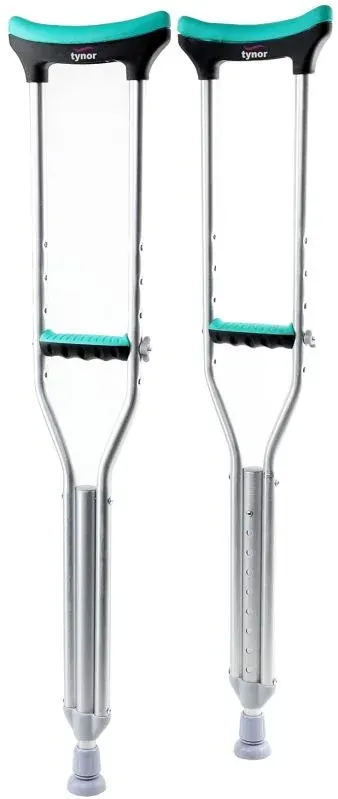
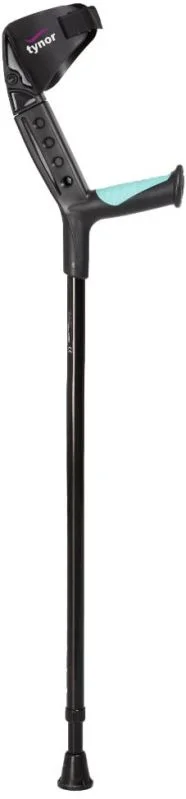
Walkers and crutches listed by Grace Product Co. are typically offered in standard adult sizes with load ratings of 120 - 150 kg and frame dimensions that accommodate users from 150 cm to 190 cm in height. Common material choices include aircraft‑grade aluminium (6061‑T6) for lightweight models and high‑strength steel (AISI 4130) for heavy‑duty variants, with rubberised or anti‑slip foot pads. Push‑button crutches incorporate a spring‑loaded height‑adjustment mechanism, while forearm crutches feature a cuff and a forearm support pad, both designed to meet ISO 20957‑1 ergonomic criteria. Buyers often request tensile strength test reports and surface‑finish certifications to confirm durability.
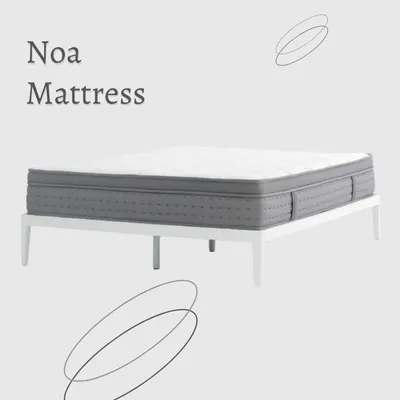
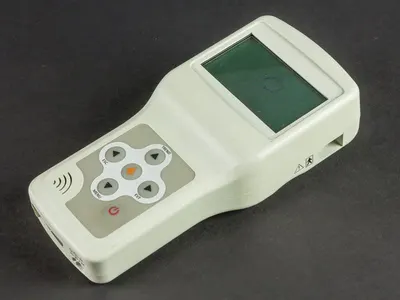
Medical‑grade air mattresses are generally supplied in sizes ranging from single (90 × 190 cm) to double (180 × 200 cm) and are tested for burst pressure of at least 2 bar and a fire‑resistance rating of B‑S1 according to IEC 60335‑2‑73. The handheld ECG units are compact devices that usually include a 3‑lead or 5‑lead configuration, battery life of 8 - 12 hours, and data storage capacity of up to 10 000 records, adhering to IEC 60601‑2‑47 for cardiac monitoring. Typical export specifications call for CE marking for the EU, FDA 510(k) clearance for the United States, and ISO 13485 quality‑management certification, although Grace Product Co. does not list these certifications in its profile. Packaging for both product types commonly employs double‑wall cardboard with moisture‑barrier liners for the air mattress and anti‑static bags for the ECG units, optimized for 20‑ft container loading.
Trade and Export Information - Grace Product Co.
Taiwan is a recognized exporter of medical devices, with the majority of walking‑aid products shipped to Southeast Asian markets, the Middle East, and North America under HS code 9018.90. Handheld ECG units fall under HS code 9021.10 and are frequently destined for European Union and United States buyers, who require compliance with IEC 60601‑1 and either CE marking or FDA 510(k) clearance. Export logistics typically involve containerized freight, with walkers and crutches packed in wooden crates or reinforced cartons to prevent frame deformation, while air mattresses are vacuum‑packed to reduce volume. Common Incoterms used by Taiwanese manufacturers include FOB Kaohsiung and CIF major ports, allowing buyers to manage customs duties and import inspections in the destination country.
Buyers of Taiwanese medical devices usually request certificates of conformity, ISO 13485 audit reports, and product‑specific test data such as load‑capacity certificates for walkers and crutches or electrical safety test reports for ECG units. Import authorities in the EU and US often require a Declaration of Conformity and, where applicable, a risk analysis file in line with ISO 14971. The air mattress market is serviced by hospitals, rehabilitation centers, and home‑care providers who look for fire‑retardant compliance and durability testing. While Grace Product Co. is listed without explicit certifications, purchasers should confirm that any supplied unit meets the regulatory regime of the target market before shipment.
Sourcing from Grace Product Co. - Buyer Guidance
Prospective buyers should request product data sheets that specify material grade, load capacity, dimensions, and compliance with ISO 20957‑1 for walking aids. For the handheld ECG, ask for the IEC 60601‑1 test report, battery specifications, and software version documentation, as well as evidence of CE marking or FDA clearance depending on the intended market. Sample units are commonly offered in quantities of one to three pieces, packed in the same shipping configuration as the commercial order, to allow verification of ergonomics and functional performance. Verify the supplier’s ability to provide a Declaration of Conformity and, if required, a third‑party inspection certificate before finalizing the purchase agreement. Typical lead times for walkers and crutches range from 30 to 45 days after order confirmation, while electronic devices such as the ECG may require 45 to 60 days due to calibration and software testing.
Frequently Asked Questions About Grace Product Co.
What product categories does Grace Product Co. offer?
Grace Product Co. lists five medical‑device items: a Walker, push‑button crutches, forearm crutches, an air mattress, and a handheld ECG unit. These fall under walking‑aid equipment (HS 9018) and diagnostic/therapeutic devices (HS 9021).
Which HS codes apply to the listed products?
The Walker and both crutch models are classified under HS chapter 90, heading 9018.90 for walking aids. The handheld ECG and the air mattress are covered by HS heading 9021.10 for medical electro‑diagnostic apparatus and heading 9021.20 for inflatable medical support surfaces.
What material standards are typical for the crutches and walker?
Crutches and walkers are commonly fabricated from aluminium alloy 6061‑T6 or steel grade AISI 4130, meeting tensile strength requirements of at least 300 MPa. Surface finishes usually include anodised coating for aluminium or powder‑coat paint for steel to enhance corrosion resistance.
Which certifications should a buyer request for the ECG unit?
Buyers should request the IEC 60601‑1 safety test report, a CE Declaration of Conformity for European sales, and FDA 510(k) clearance documentation for United States distribution. An ISO 13485 quality‑management certificate is also customary for medical‑device manufacturers.
What are the typical packaging and shipping methods for the air mattress?
Air mattresses are normally vacuum‑packed in poly‑film to minimise volume, then placed in double‑wall cardboard boxes with moisture‑barrier liners. They are shipped in 20‑ft or 40‑ft containers, often under FOB Kaohsiung or CIF destination port terms.
What sample policy can a buyer expect?
Suppliers of medical walking aids and diagnostic devices frequently provide 1 - 3 sample units packed in the same cartons as the commercial order. Samples allow verification of load capacity, ergonomics, and functional performance before larger orders.
What is the typical lead time for these products?
Lead times for walkers and crutches are generally 30 - 45 days after order confirmation, while the handheld ECG unit may require 45 - 60 days due to calibration and software validation. Air mattresses often have a shorter lead time of 20 - 30 days because of simpler assembly.
Which markets commonly import these types of products from Taiwan?
Taiwanese manufacturers of walking aids and portable ECGs commonly export to Southeast Asia, the Middle East, the European Union, and North America. Importers in these regions usually require compliance with local medical‑device regulations such as CE marking or FDA clearance.




 , Taiwan