Geopen Inc — Verified Supplier
About Geopen Inc - Geophysical Instruments & Road Marking Glass Beads Supplier in China
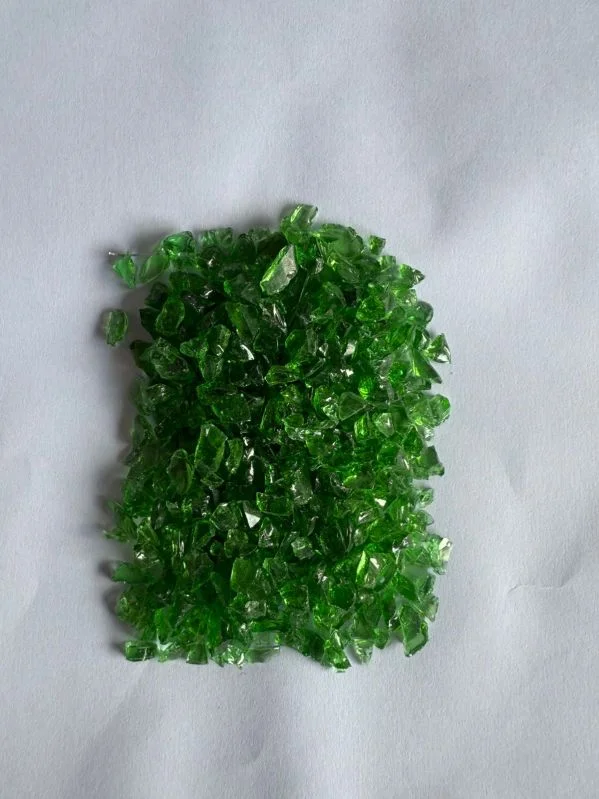
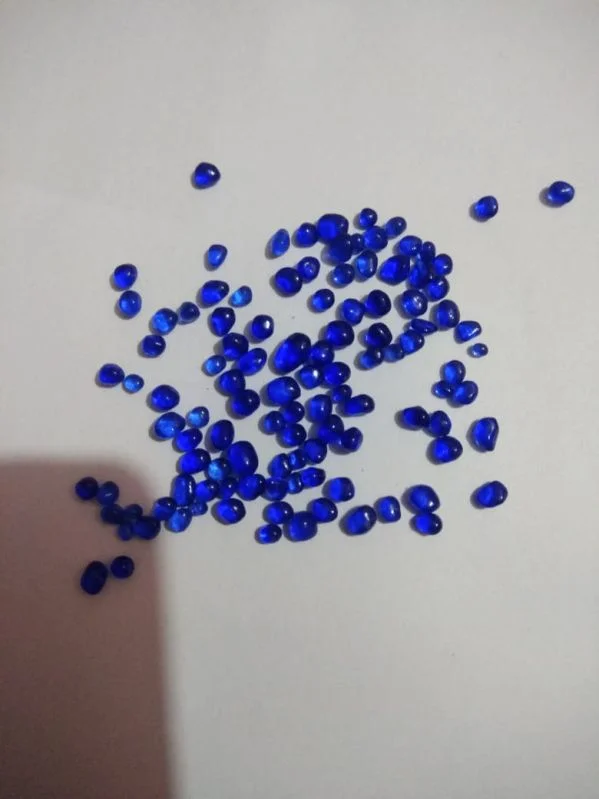
Geopen Inc is based in China and currently lists five active products. The catalogue includes two engineering seismographs - a standard geophysical instrument and a high‑precision 2D/3D teleseismic unit - as well as two variants of reflective glass beads for road marking and a service described as tunnel seismic prediction. Each entry is recorded under the supplier’s imported tier and carries the trust tier label “harbor”. The product set reflects a focus on both geophysical monitoring equipment and high‑visibility road safety materials, covering both hardware and application‑oriented services.
The seismograph entries are identified as engineering‑grade instruments, suggesting suitability for mineral exploration, civil‑structural monitoring, and earthquake research. The glass‑bead entries specify a high refractive index and reflective performance, indicating use in traffic lane delineation and safety marking. No additional details such as certifications or capacity figures are provided in the source data.
Product Range and Specialties of Geopen Inc
Geopen Inc’s seismograph line comprises a conventional geophysical instrument and a high‑precision model capable of 2‑dimensional and 3‑dimensional teleseismic data capture. In the broader market, such instruments typically offer frequency responses from 0.01 Hz to 100 Hz, sampling rates of 200 Hz or higher, and compliance with IEC 60751 or ISO 17025 testing standards. The glass‑bead products are marketed for road‑marking applications; industry practice distinguishes standard reflective beads (retro‑reflectivity around 300 cd·sr⁻¹·m⁻²) from high‑refractive‑index variants that exceed a refractive index of 1.5, improving night‑time visibility. Glass beads are usually supplied in bulk bags ranging from 20 kg to 25 kg, with particle sizes between 0.5 mm and 2 mm to meet ISO 11542 specifications.
Trade and Export Information - Geopen Inc
Exporters of geophysical instrumentation from China commonly serve North America, Western Europe and the Middle East, where mining, oil‑field exploration and infrastructure monitoring drive demand. Buyers of road‑marking glass beads typically include municipal road authorities and private contractors in the Asia‑Pacific and African regions, where climate‑resistant marking solutions are essential. Shipping of the seismographs usually requires climate‑controlled containers and careful cushioning due to precision components, while glass beads are packed in bulk bags on standard 20‑ft or 40‑ft containers. Commonly requested certifications include IEC 60751 for seismic equipment and ISO 11542 for glass‑bead performance, and many importers request a pre‑shipment inspection under the Shanghai Inspection Service or a similar body.
Sourcing from Geopen Inc - Buyer Guidance
When sourcing the seismographs, request the latest test report that confirms frequency response, sensitivity and sampling rate, and verify compliance with IEC or ISO standards. For the glass beads, obtain a certificate of analysis that lists particle size distribution, retro‑reflectivity values and refractive index, as well as any conformity to ISO 11542. Because no specific certifications are listed for Geopen Inc, buyers should ask for a copy of the manufacturer’s quality management certificate and any third‑party inspection reports before confirming a purchase.
Frequently Asked Questions About Geopen Inc
What technical specifications are typical for the engineering seismograph offered by Geopen Inc?
The engineering seismograph generally provides a frequency response from 0.01 Hz to 100 Hz and a sampling rate of at least 200 samples per second. Buyers should confirm the instrument’s sensitivity (e.g., 1500 V/m/s) and any built‑in digital signal processing features.
Does the high‑precision 2D/3D teleseismic seismograph support real‑time data streaming?
High‑precision models often include Ethernet or fiber‑optic interfaces for real‑time telemetry. Request a data‑sheet that details supported communication protocols and any required software licences.
What are the key performance indicators for the reflective glass beads used in road marking?
Key indicators include particle size (0.5‑2 mm), retro‑reflectivity (minimum 300 cd·sr⁻¹·m⁻²) and refractive index (typically >1.5 for high‑index beads). Verify these values in the supplier’s test report.
How are the glass beads packaged for export?
Standard practice is bulk packaging in 20 kg or 25 kg woven polypropylene bags, stacked on pallets for container loading. Confirm the exact bag weight and pallet configuration for your logistics plan.
What certifications should a buyer request for the seismograph products?
Buyers usually ask for IEC 60751 compliance, ISO 17025 test reports, and a copy of the manufacturer’s quality management system certificate. A third‑party inspection certificate can also be requested prior to shipment.
Is a sample available for the high‑refractive‑index glass beads?
Suppliers often provide a small sample bag (e.g., 1 kg) for laboratory testing of reflectivity and durability. Ask the seller to arrange a sample shipment and include the corresponding test report.
What is the typical lead time for the seismograph equipment?
Lead times for precision seismic instruments can range from 4 weeks to 8 weeks, depending on calibration and firmware configuration. Confirm the exact schedule once the order specifications are finalised.
What Incoterms are commonly used for shipping these products from China?
Exporters frequently use FOB Shanghai or CIF destination ports, allowing the buyer to control freight and insurance. Verify the preferred Incoterm with the supplier before finalising the contract.




 , China