Gekash — Verified Supplier
About Gekash - Honey Supplier in Egypt
Gekash is based in Egypt and currently lists eleven active products across several commodity groups. The catalogue includes honey, wheat, rice and cement as the highlighted categories, together with marble, bitumen, cotton textile, T‑shirt, marine engine oil, flax and non‑ferrous cast alloys. Each product is recorded under the imported supplier tier with a harbor trust rating, indicating that Gekash operates through Egyptian ports for outbound shipments. The product mix reflects both agricultural outputs and industrial materials commonly exported from the region.
The supplier’s listing does not provide historic or financial data, focusing instead on the concrete product set. Gekash’s portfolio therefore spans food commodities, construction inputs, textile goods and specialty oils, all of which are subject to standard international trade procedures for bulk and containerised cargo. The presence of both raw materials such as wheat and processed items like cement shows a broad sourcing capability within Egypt’s export sectors.
Product Range and Specialties of Gekash
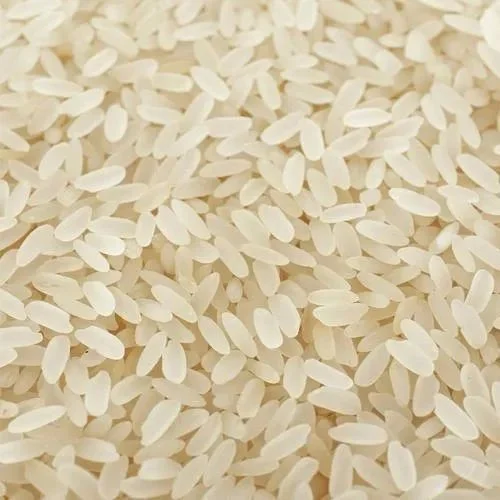
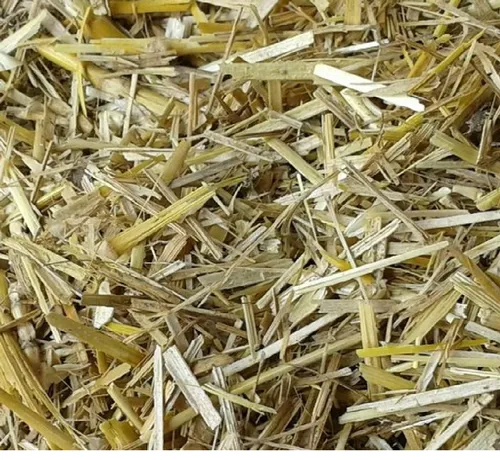
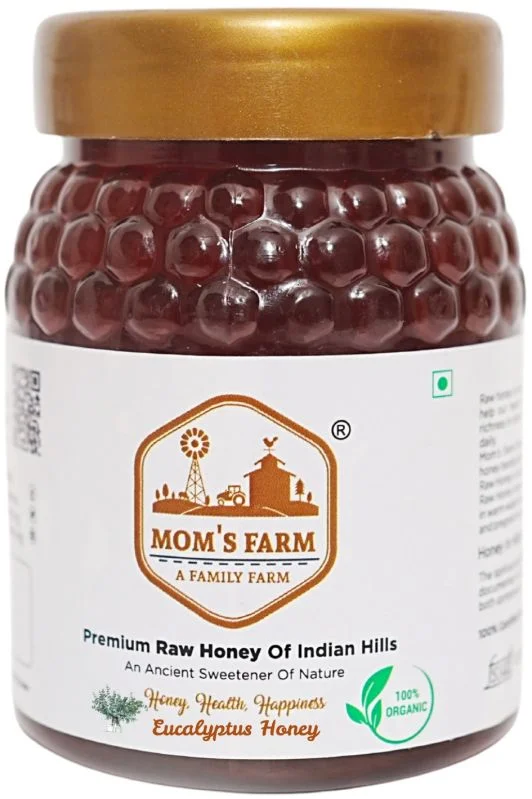
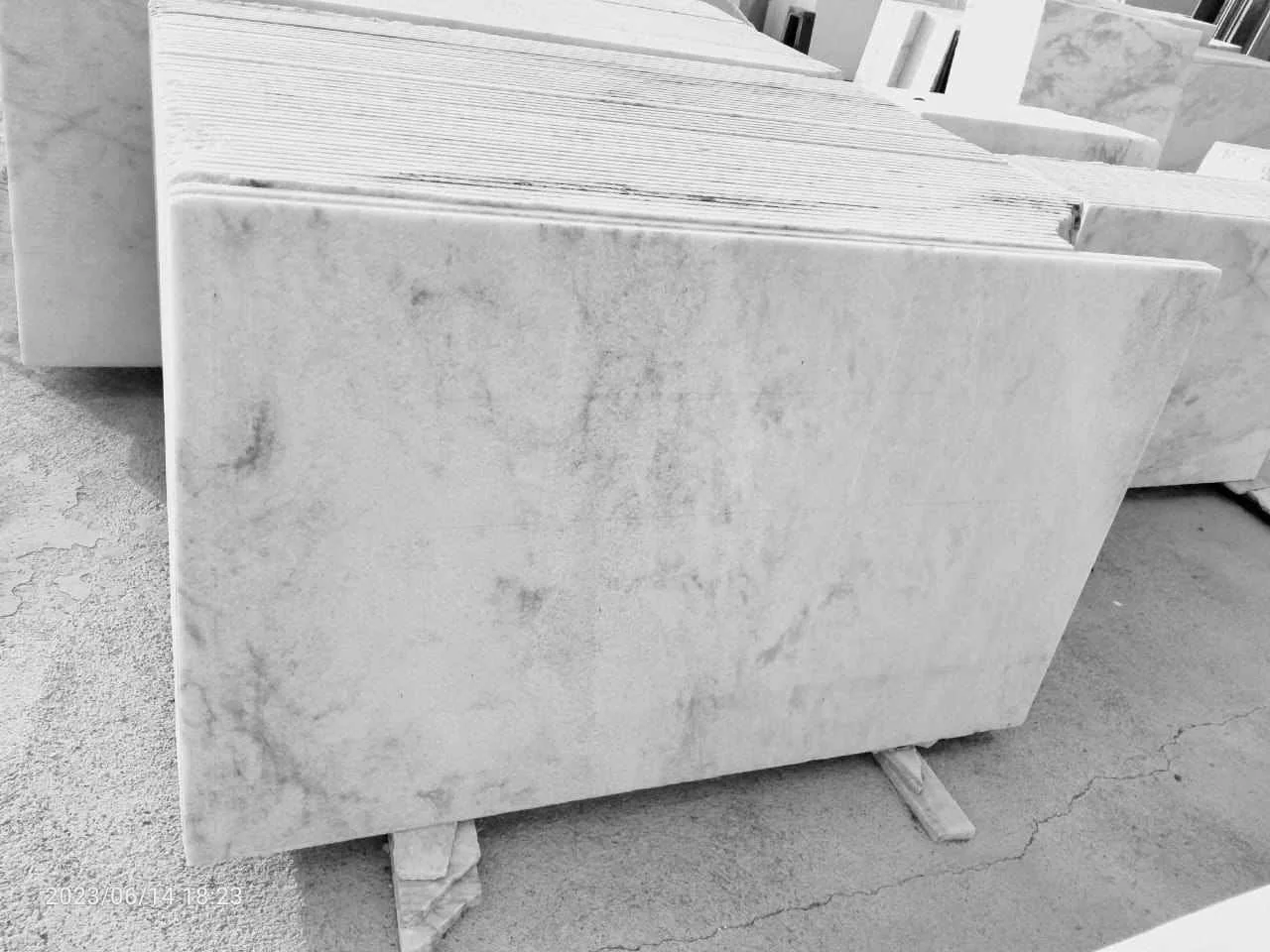
The honey offering aligns with typical Egyptian apiculture grades, where producers often supply ICUMSA 45 or 70 honey with moisture below 18 %. Wheat entries are usually classified by protein content (10‑12 %) and moisture under 14 %, while Egyptian rice commonly meets long‑grain specifications with similar moisture limits. Cement listed by Gekash is generally Portland cement conforming to CEM I 42.5R strength class, packed in 50 kg bags or bulk containers. Bitumen is exported in penetration grades 40‑80 and complies with EN 12591 standards. Marble is typically supplied in slabs of 3 cm thickness, meeting ASTM C615 surface quality, and cotton textile or T‑shirt items are produced in 150‑200 gsm fabric weights with standard sizing. Marine engine oil is usually offered in API Service Categories such as CI‑4 or CJ‑4, with viscosity grades like 15W‑40, and non‑ferrous cast alloys are commonly aluminium‑silicon or zinc‑based compositions used in casting applications.
Trade and Export Information - Gekash
Egypt’s strategic location on the Mediterranean enables bulk shipments of agricultural products to the EU, GCC and sub‑Saharan markets, while construction materials such as cement and marble are frequently sent to Saudi Arabia, Sudan and European Union ports. Buyers of honey from Egypt typically require compliance with EU pesticide residue limits and may request a Certificate of Origin and a laboratory analysis report. Cement exports are often subject to CE marking and conformity with ISO 13007 for performance testing. Marine engine oil destined for international shipping fleets follows IMO fuel specifications and is usually shipped FOB Alexandria in 200 L drums. Standard logistics involve 20‑ft or 40‑ft containers for cement and rice, bulk bags for wheat, and break‑bulk handling for marble slabs. Commonly requested certifications include ISO 9001 for quality management and ISO 22000 for food safety, although Gekash’s own certification status is not listed in the provided data.
Sourcing from Gekash - Buyer Guidance
When sourcing honey from Gekash, request a recent Certificate of Analysis showing moisture, sucrose and HMF levels, as well as a phytosanitary certificate for export. For wheat and rice, ask for moisture and protein test reports and verify that the grain meets the EU maximum pesticide residue limits. Cement buyers should obtain a mill test certificate confirming compressive strength and a CE conformity declaration if the product is destined for the EU market. For marine engine oil, a Material Safety Data Sheet and API service category certification are essential before shipment. Verify the supplier’s origin certificate and ensure packaging matches the intended transport mode - bulk bags for cereals, sealed drums for oil and palletised cartons for textiles. Typical minimum order quantities range from one metric ton for cereals to a full 20‑ft container for cement, with lead times of two to four weeks after order confirmation.
Frequently Asked Questions About Gekash
What product categories does Gekash list in its catalogue?
Gekash lists eleven products: honey, wheat, rice, cement, marble, bitumen, cotton textile, T‑shirt, flax, marine engine oil and non‑ferrous cast alloys.
Does Gekash provide any certifications for its products?
The supplied facts do not specify any certifications held by Gekash. Buyers should request standard certificates such as ISO 22000 for honey or ISO 9001 for cement as part of the due‑diligence process.
Which export ports does Gekash use for shipping?
As an imported supplier with a harbor trust tier, Gekash ships through Egyptian Mediterranean ports, typically Alexandria or Port Said, using FOB terms.
What documentation is recommended for honey purchases?
Request a Certificate of Analysis, a phytosanitary certificate, and a Certificate of Origin. These documents confirm moisture content, pesticide residues and the product’s Egyptian origin.
What are the typical packaging formats for cement and wheat?
Cement is usually packed in 50 kg bags or bulk containers for 20‑ft or 40‑ft shipping. Wheat is commonly shipped in 1‑ton bulk bags or jumbo bags suited for container loading.
What quality standards apply to marine engine oil?
Marine engine oil should comply with API Service Category specifications (e.g., CI‑4, CJ‑4) and be accompanied by an MSDS and a performance test report.
Are there common minimum order quantities for Gekash’s products?
Typical MOQs are around 1 metric ton for cereal grains, a full 20‑ft container load (approximately 20‑30 tons) for cement, and a pallet of 12 drums for marine engine oil.
What are the usual lead times for orders from Gekash?
Lead times generally range from two to four weeks after order confirmation, depending on product type, packaging requirements and port scheduling.




 , Egypt