FNC Alloys & Metals Ltd. — Supplier
About FNC Alloys & Metals Ltd. - Bronze Alloys Supplier in United Kingdom
The United Kingdom‑based FNC Alloys & Metals Ltd. lists five distinct copper‑based alloy products. The active product count of five includes Tin Bronze, Phosphor Bronze, Aluminum Bronze, Silicon Bronze and Copper based welding alloy wires. All of these fall within the HS Chapter 7404 family that covers copper base alloys and articles thereof. The catalogue does not provide additional sub‑category codes, so the description relies on the alloy names themselves.
The supplier’s catalogue concentrates on alloys commonly used for casting, machining, and welding applications. Typical compositions are Tin Bronze (approximately 90 % copper, 10 % tin), Phosphor Bronze (copper with 0.5‑1 % phosphorus and small tin additions), Aluminum Bronze (copper with 5‑12 % aluminum), Silicon Bronze (copper with 2‑4 % silicon) and welding wires that are copper‑based with alloying elements for improved weldability. These alloys are standard feedstocks for automotive, marine, electrical and industrial hardware manufacturers.
Product Range and Specialties of FNC Alloys & Metals Ltd.
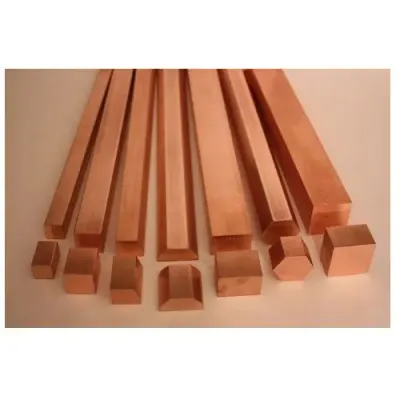
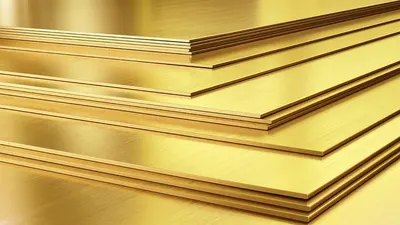
FNC Alloys & Metals Ltd. offers the five alloys named in its catalogue. In the broader market, Tin Bronze is supplied to ASTM B 26 grade C95400, Phosphor Bronze to ASTM B 464 grade C63000, Aluminum Bronze to ASTM B 506 grade C93200 and Silicon Bronze to ASTM B 655 grade C65500. Welding alloy wires are typically sold to the ER70S‑2 or similar specifications used in TIG/MIG welding of copper alloys. Buyers usually receive these products as bars, rods, sheets or coils in standard dimensions such as 6 mm‑50 mm diameters for wires or 10 mm‑200 mm thickness for plates.
Typical industry specifications include tensile strength of 350‑550 MPa for Tin Bronze, 600‑800 MPa for Phosphor Bronze, and corrosion‑resistant Al‑bronze grades exceeding 250 MPa. Silicon Bronze often meets ICUMSA 45‑50 purity levels for copper content. These grades are documented against ASTM, BS or EN standards, which buyers reference when assessing suitability for their applications.
Trade and Export Information - FNC Alloys & Metals Ltd.
The United Kingdom exports copper‑based alloys primarily to the European Union, the Middle East, Southeast Asia and North America. Automotive engine blocks, marine propellers, electrical connectors and industrial tooling are the main end‑uses. Under HS Chapter 7404, shipments are usually classified with sub‑headings 7404.20 for bronze alloys and 7404.99 for other copper alloy articles. Export documentation commonly includes a commercial invoice, packing list, certificate of origin and, where required, a mill test certificate that references the relevant ASTM or EN standard.
Buyers often request ISO 9001 quality‑management certification from UK alloy producers, although the supplier’s own certification status is not listed in the facts. Typical Incoterms used are FOB United Kingdom ports such as Liverpool or CIF to destination ports. Packaging is generally in wooden crates, bulk pallets or metal drums, with moisture barriers for corrosion protection during sea freight.
Sourcing from FNC Alloys & Metals Ltd. - Buyer Guidance
When sourcing from FNC Alloys & Metals Ltd., request a Mill Test Certificate (MTC) that confirms chemical composition, mechanical properties and compliance with the appropriate ASTM/BS/EN grade. Samples of each alloy should be evaluated for tensile strength, hardness and corrosion resistance before committing to larger volumes. Verify the supplier’s ability to meet standard packaging (e.g., 20 ft or 40 ft containers on pallets) and confirm lead times, which for UK alloy exporters typically range from four to six weeks after order confirmation.
Frequently Asked Questions About FNC Alloys & Metals Ltd.
What alloy grades does FNC Alloys & Metals Ltd. provide for Tin Bronze?
The catalogue lists Tin Bronze without a specific grade, but buyers can request ASTM B 26 grade C95400 or equivalent BS EN 197‑1 specifications. The supplier should supply the corresponding Mill Test Certificate for the requested grade.
Are Mill Test Certificates available for the Phosphor Bronze product?
Yes, buyers should ask the supplier to provide an MTC that details phosphorus content, copper purity and tensile strength according to ASTM B 464. The certificate verifies compliance with the requested grade.
What are the typical packaging options for the copper based welding alloy wires?
Welding alloy wires are normally shipped in steel drums or bulk pallets, often in 20 ft or 40 ft containers. The supplier should confirm the packaging method and any moisture‑proofing measures.
Which certifications are commonly required for UK bronze alloy exporters?
Importers usually request ISO 9001 quality‑management certification, as well as compliance with ASTM, BS or EN standards relevant to the alloy grade. Buyers should verify that the supplier can furnish these documents.
What is the usual lead time for orders from FNC Alloys & Metals Ltd.?
Lead times for UK alloy shipments generally fall between four and six weeks after order confirmation, depending on product form and quantity. Buyers should confirm the exact schedule when placing the order.
What minimum order quantities apply to the Aluminum Bronze product?
Minimum order quantities are not listed in the facts; buyers should inquire directly with the supplier for the smallest batch size they can ship, which is often defined by weight or container load.
Which HS sub‑heading is applicable to the Silicon Bronze product?
Silicon Bronze falls under HS Chapter 7404, typically sub‑heading 7404.20 for bronze alloys. The supplier should reference the exact sub‑heading on export documents.
How can I request a sample of the Copper based welding alloy wires?
Buyers should contact the supplier to arrange a sample shipment, specifying the wire diameter and length required. A small sample is usually sent in a protective pouch or small crate, with accompanying material data sheet.




 , United Kingdom