Agriculture›
 Apparel and fashion accessories›
 Construction & real estate›💡Electronic & Electrical›🍎Food & Beverages›🛋️Home furnishing & supplies›⚗️Industrial goods & chemical›🪨Minerals & metals›📦Miscellaneous›Agriculture›Apparel and fashion accessories›Construction & real estate›💡Electronic & Electrical›🍎Food & Beverages›🛋️Home furnishing & supplies›⚗️Industrial goods & chemical›🪨Minerals & metals›📦Miscellaneous›
Exemplar Cordage LLP Product Catalog
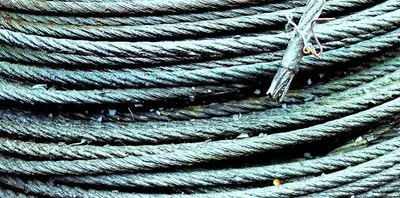
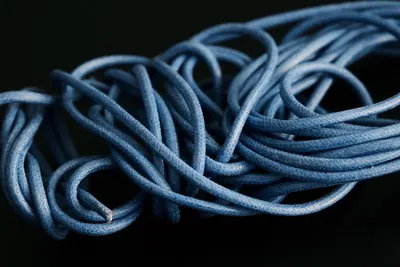
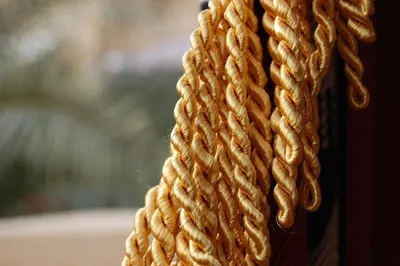
About Exemplar Cordage LLP - Ropes, Twines and PP Yarn Supplier in India
Exemplar Cordage LLP is an India-based supplier operating with an active catalogue of 5 products concentrated in two related categories: ropes and twines, and polypropylene (PP) yarn. The company lists its items under the synthetic cordage family, covering both polypropylene and polyester constructions used in agricultural, marine, fishing, and general industrial applications. As an Indian exporter in this segment, Exemplar Cordage LLP sits within a domestic manufacturing base that produces a large share of the world's PP rope and twine output, with manufacturing clusters commonly located in Gujarat, Maharashtra, Rajasthan, and Tamil Nadu. The product mix combines lighter agricultural and fishing inputs, such as PP binder twine and polypropylene fishing yarn, with heavier industrial cordage, including polyester ropes and polypropylene fencing ropes, alongside poly propylene cores used as internal reinforcement in steel wire ropes. Together these 5 listings cover the principal end-uses that drive demand for synthetic cordage from India: hay and straw baling, aquaculture and capture fisheries, livestock and crop fencing, and general-purpose hauling and lifting where polyester or PP rope is specified.
Product Range and Specialties of Exemplar Cordage LLP
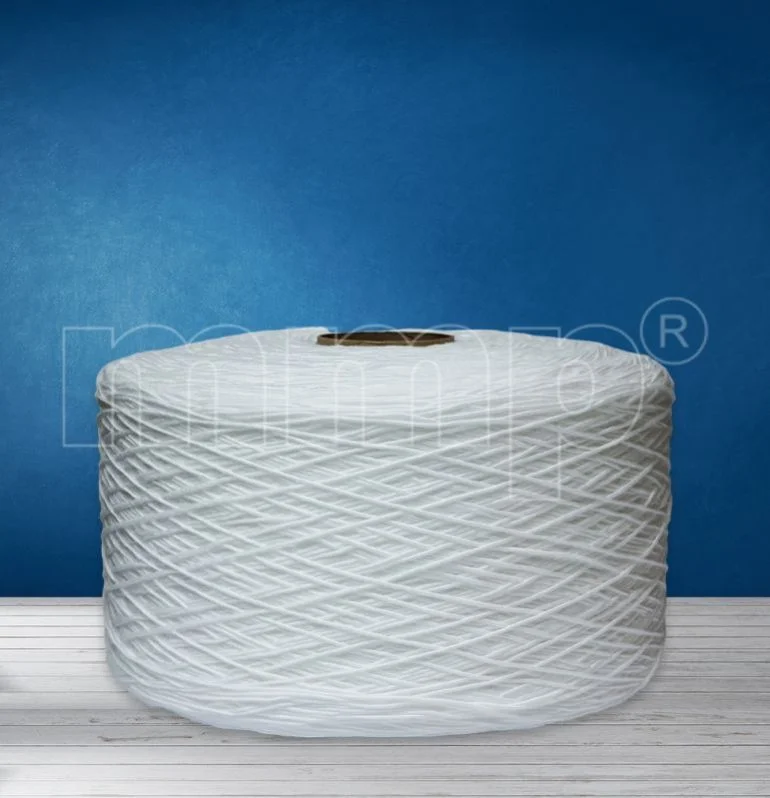
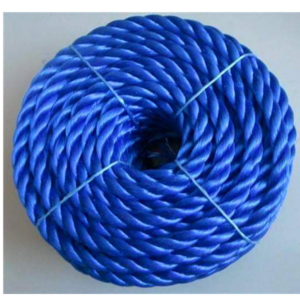
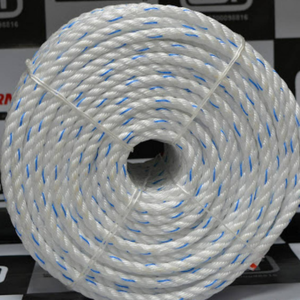
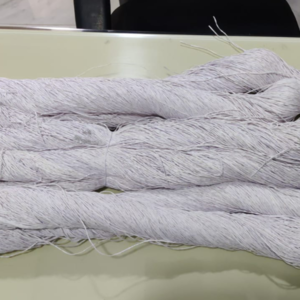
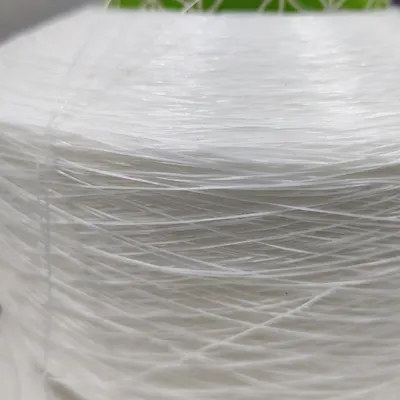
Exemplar Cordage LLP's catalogue of 5 items spans the two principal synthetic fibre families used in industrial cordage: polypropylene and polyester. PP binder twine is typically supplied in runnage ranges of around 2,000 to 10,000 m/kg depending on linear density, with common specifications at 1,000 to 3,000 denier and a knot strength of roughly 2 to 4 kgf, used for tying hay, straw, and fodder bales. Polypropylene fishing yarn is generally offered in twisted or folded constructions, with counts from about 210/3 to 1,000/3 and in put-ups of 100 g, 250 g, 500 g, 1 kg, or larger cones for net weaving and repair. Polypropylene fencing ropes are typically 3-strand or 4-strade twisted constructions in diameters from 6 mm to 24 mm, with breaking loads ranging from roughly 400 kgf for 6 mm up to 4,500 kgf for 24 mm, and are often UV-stabilised for outdoor livestock and boundary fencing. Polyester ropes, by contrast, are valued for higher tenacity, lower stretch (around 10-15% at break versus 18-25% for PP), and better abrasion resistance, and are commonly supplied in 3-strand hawserlaid or 8-strand plaited constructions in diameters of 6 mm to 48 mm with breaking loads from roughly 700 kgf to over 18,000 kgf. Polypropylene cores, listed as the fifth item, are fibrillated or split-film PP yarns inserted as the central strength member in 6x19, 6x36, and similar steel wire rope constructions, where they act as a lubricant reservoir and load-distributing medium.
Frequently Asked Questions About Exemplar Cordage LLP
What product categories does Exemplar Cordage LLP supply?
Exemplar Cordage LLP lists 5 products across two categories: ropes and twines (PP binder twine, polyester ropes, polypropylene fencing ropes) and PP yarn (polypropylene fishing yarn and poly propylene cores for steel wire rope). The range covers agricultural baling, fishing, fencing, and industrial cordage applications.
Which HS codes typically apply to the products listed by Exemplar Cordage LLP?
PP binder twine, polyester ropes, and polypropylene fencing ropes are generally classified under HS code 5607 (twine, cordage, ropes and cables). Polypropylene fishing yarn typically falls under HS code 5402 or 5405 for synthetic filament yarn. The exact classification should be confirmed with the supplier against the specific product specification and destination customs rules.
What specifications should a buyer request from Exemplar Cordage LLP before ordering?
Buyers should request linear density (denier or tex), diameter, number of strands, twist direction, breaking strength in kgf or kN, elongation at break, UV stabilisation rating, and runnage per kg. For fishing yarn, the count construction (such as 210/3 or 380/3) and cone weight should be confirmed in writing.
How should a buyer verify quality before shipment from Exemplar Cordage LLP?
Buyers typically request pre-shipment samples for lab testing against ISO 2307 or the relevant IS standard, and may appoint a third-party inspection agency such as SGS, Bureau Veritas, or TUV to verify breaking strength, runnage, twist, and UV rating on randomly selected coils before container stuffing. A supervised loading inspection is also common for first orders.
Which certifications and test reports are typically required for ropes and PP yarn from India?
Buyers usually ask for a mill test certificate aligned to ISO 2307 for linear density and breaking force, ISO 1969 for polypropylene fibre ropes, and IS 5175 or IS 7071 for Indian-standard PP and polyester ropes. For lifting or marine applications, EN 1891, EN 892, or Lloyd's/ABS type approval may be required depending on end use.
 India
Related Suppliers & Products
Explore similar suppliers, related products and trending categories