Daye Jinpeng Friction Material Co. Ltd. — Supplier
About Daye Jinpeng Friction Material Co. Ltd. - Other Ores & Minerals Supplier in China
Daye Jinpeng Friction Material Co. Ltd. is based in China and currently lists 34 active products across mineral, chemical, and abrasive categories. The catalogue includes a range of raw ores such as quartz, dolomite, and calcite, as well as specialty minerals like zeolite, antimony sulfide, and fluorite. Products are classified under HS code chapters 25 (mineral products) and 26 (metal ores) with specific sub‑headings such as 2506.10 for quartz and 2610.00 for chromite. The supplier’s product set also covers friction‑grade materials, rubber powders, and various industrial abrasives.
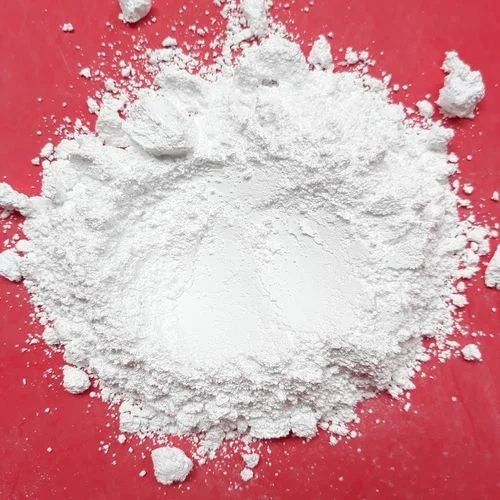
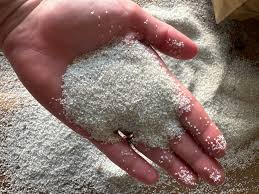
The listed items feature detailed material descriptions, for example quartz SiO₂ supplied as white powder (HS 2506.10), precipitated calcium carbonate (HS 2836.50), and natural bentonite clay (HS 2508.10). Several entries target friction applications, including 200‑mesh barite (HS 2511.20) and 200‑mesh kaolin (HS 2507.00). The catalogue further includes metallurgical chromite ore (HS 2610.00), antimony sulfide (HS 2617.10), and garnet sand for water‑jet cutting (HS 2513.20).
Product Range and Specialties of Daye Jinpeng Friction Material Co. Ltd.
The catalogue spans mineral feedstocks, abrasive grains, and friction‑material additives. Core mineral products include quartz (HS 2506.10, SiO₂ purity typically ≥99 %), dolomite (HS 2518.10, CaCO₃·MgCO₃ content 45‑55 % CaO), calcite (HS 2508.40, CaCO₃ purity 95‑99 %), and fluorite (HS 2529.21, CaF₂ with 48‑49 % fluoride). Specialty minerals such as natural zeolite (HS 3824.99, Al₂O₃‑SiO₂ framework) and bentonite (HS 2508.10, montmorillonite with 70‑80 % smectite) are also listed.
In the abrasive segment, the supplier offers garnet sand (HS 2513.20) with hardness 7‑8 Mohs and particle size ranges from 200 to 325 mesh, and basalt rock (HS 2517.49) with Mohs 3‑3.5 for grinding applications. Friction‑grade fillers include barite (HS 2511.20) and kaolin (HS 2507.00) both supplied in 200‑mesh and 325‑mesh grades, commonly used in brake pad formulations. The rubber powder line features NBR powder and generic rubber powder, which are typically graded by particle size (e.g., 80‑120 mesh) and oil content for compound consistency.
Trade and Export Information - Daye Jinpeng Friction Material Co. Ltd.
Mineral and abrasive products from China are routinely exported to automotive manufacturers in Europe, North America, and Southeast Asia, where they are used in brake systems, grinding media, and polymer composites. HS chapter 25 items such as quartz, feldspar, and garnet are subject to customs checks for purity and particle size, and buyers often require certificates of analysis (COA) complying with ISO 9001 or relevant ASTM standards (e.g., ASTM C99 for quartz, ASTM C131 for garnet). Metallurgical ores under HS 26, like chromite and lead‑zinc concentrate, typically need a mineral assay report and may be inspected under the EU REACH framework for hazardous substances.
Chinese exporters of these minerals commonly ship in 20‑ft or 40‑ft containers, using bulk bags (25 kg) or woven polypropylene sacks (1‑2 ton) depending on the material’s moisture sensitivity. Standard Incoterms such as FOB Shanghai or CIF Rotterdam are applied, with freight forwarders arranging moisture‑proof liner for hygroscopic powders like kaolin and bentonite. Export licences are required for antimony sulfide and selenium‑rich particles due to their classification as strategic minerals, and buyers should verify that the supplier holds the necessary Chinese customs export permits.
Sourcing from Daye Jinpeng Friction Material Co. Ltd. - Buyer Guidance
Buyers should request a recent Certificate of Analysis that details chemical composition (e.g., SiO₂ % for quartz, CaO % for dolomite) and particle size distribution for each grade. For friction‑grade fillers, a laboratory test confirming mesh size (200 mesh ≈ 75 µm, 325 mesh ≈ 44 µm) and bulk density is essential. When sourcing metallurgical ores, an assay report covering metal content (e.g., Cr₂O₃ % for chromite) and impurity levels (e.g., Fe, Al) should be obtained before contract finalisation.
Typical minimum order quantities range from 1 ton for bulk minerals to 5 tons for specialty abrasives, with lead times of 30‑45 days after order confirmation and receipt of payment. Verify that the supplier can provide ISO‑based quality management documentation and, where required, REACH or SDS (Safety Data Sheet) for hazardous substances such as antimony sulfide. Packaging should be inspected for moisture barriers, especially for hygroscopic materials like kaolin and bentonite.
Frequently Asked Questions About Daye Jinpeng Friction Material Co. Ltd.
What product categories does Daye Jinpeng Friction Material Co. Ltd. offer?
The company lists mineral feedstocks (e.g., quartz, dolomite, calcite), specialty minerals (zeolite, fluorite, antimony sulfide), abrasive grains (garnet, basalt, barite, kaolin) and friction‑material additives such as rubber powders and NBR powder.
How can I obtain a sample of a specific mineral like quartz or garnet?
Buyers can request a small sample (typically 5‑10 kg) by submitting a formal inquiry that includes the desired HS code, mesh size, and intended application; the supplier will ship the sample under FOB terms with a COA attached.
Which certifications or test reports should I ask for before purchasing?
Request a Certificate of Analysis showing chemical composition and particle‑size distribution, an ISO‑9001 quality management certificate, and, for hazardous minerals, a Safety Data Sheet and any applicable REACH compliance documents.
What are the common HS codes for the listed products?
Products fall under HS 2506.10 (quartz), 2518.10 (dolomite), 2508.40 (calcite), 2513.20 (garnet sand), 2511.20 (barite), 2507.00 (kaolin), 2610.00 (chromite), and 2617.10 (antimony sulfide) among others.
What is the typical packaging for bulk mineral shipments?
Bulk minerals are usually packed in 25 kg woven polypropylene bags or in large bulk bags (1‑2 ton) for container loading; moisture‑sensitive powders are sealed in double‑layer liners to prevent humidity ingress.
What are the standard Incoterms used for export from China?
The supplier commonly works with FOB Shanghai for buyers who arrange freight, and CIF Rotterdam or other destination ports for those preferring delivered freight costs included.
What are the usual minimum order quantities and lead times?
Minimum order quantities range from 1 ton for common minerals to 5 tons for specialty abrasives, with production and dispatch lead times of approximately 30 days for standard grades and up to 45 days for customized specifications.




 , China