Changsha Staherb Natural Ingredients Co., Ltd. — Supplier

About Changsha Staherb Natural Ingredients Co., Ltd. - Herbal Extracts Supplier in China

Changsha Staherb Natural Ingredients Co., Ltd. is based in China and currently lists five active products in its catalogue. All five items belong to the herbal extracts category and are presented under the generic label of natural active compounds. The product list includes Chlorogenic Acid, Corosolic Acid, Amygdalin, Ursolic Acid and Dihydromyricetin (DMY). Each entry is recorded without additional specifications such as purity level or packaging format, reflecting the supplier’s concise catalogue. The supplier is classified as an imported tier with a harbor trust rating, indicating it operates through established trade channels in China.

The five listed extracts are typical plant‑derived substances that are usually classified under HS chapter 29, specifically HS 2933 for extracts of plants and parts thereof. In international trade these extracts are often required to meet pharmacopeial standards such as USP or EP, and buyers frequently request certificates of analysis confirming purity and contaminant limits. While the catalogue does not disclose individual HS codes, the products fall within the broader regulatory framework applied to botanical extracts. Export documentation from China normally includes a phytosanitary certificate and a declaration of compliance with Chinese export standards. Importers generally need to verify that the extracts comply with the destination country’s food, cosmetic or pharmaceutical regulations.

Product Range and Specialties of Changsha Staherb Natural Ingredients Co., Ltd.

The catalogue offers five distinct botanical acids and a flavonoid derivative: Chlorogenic Acid, Corosolic Acid, Amygdalin, Ursolic Acid and Dihydromyricetin. In the herbal‑extract market these compounds are commonly supplied at purity grades of 95 % - 99 % as determined by HPLC, with specifications for moisture content below 5 % and heavy‑metal limits below 10 ppm. Buyers also look for documentation of residual solvent levels that meet ICH Q3C limits. Typical packaging formats include 25 kg bulk drums for bulk buyers and 200 g or 500 g sealed glass vials for research and development customers. The product range therefore aligns with standard industry expectations for high‑purity botanical actives.

Trade and Export Information - Changsha Staherb Natural Ingredients Co., Ltd.

China is a major exporter of plant extracts, supplying Europe, North America and Southeast Asia with a steady flow of HS 2933‑classified goods. Export shipments are usually packed in 20‑foot or 40‑foot containers with inner cartons protected by moisture‑barrier liners to preserve stability. Buyers commonly require Good Manufacturing Practice (GMP) compliance, ISO 9001 quality‑management certification and, where applicable, Organic certification according to EU or USDA standards. Inspection agencies such as SGS or Bureau Veritas often perform pre‑shipment audits to verify label accuracy, purity claims and contaminant testing. Freight terms typically follow Incoterms FOB or CIF, with customs duties calculated on the HS code value plus any applicable anti‑dumping duties in the destination market.

Sourcing from Changsha Staherb Natural Ingredients Co., Ltd. - Buyer Guidance

When sourcing from Changsha Staherb, request a full Certificate of Analysis for each extract, including HPLC chromatograms, assay percentage, moisture, heavy‑metal and pesticide test results. Verify that the supplier can provide GMP‑type documentation or an ISO 9001 audit report, even if not explicitly listed in the catalogue. Ask for sample quantities (e.g., 100 g) to run independent verification of purity and stability before placing larger orders. Confirm packaging details, such as whether the product will be shipped in sealed drums or smaller vials, and ensure the packaging meets the moisture‑sensitivity requirements of the specific extract.

Frequently Asked Questions About Changsha Staherb Natural Ingredients Co., Ltd.

What herbal extracts does Changsha Staherb Natural Ingredients list in its catalogue?

The catalogue includes Chlorogenic Acid, Corosolic Acid, Amygdalin, Ursolic Acid and Dihydromyricetin (DMY). Each is presented as a separate botanical active compound.

Are purity specifications provided for these extracts?

Purity levels are not stated in the catalogue, so buyers should request a Certificate of Analysis that details assay percentage, typically expressed as a minimum of 95 % purity for high‑grade extracts.

Which HS code family do these products fall under?

Botanical extracts are generally classified under HS chapter 29, specifically HS 2933 for extracts of plants and parts thereof. This is the standard code used for customs clearance of such items.

What certifications are typically required for importing herbal extracts from China?

Importers usually ask for GMP compliance, ISO 9001 quality‑management certification and, where relevant, organic certifications (EU organic or USDA organic). Buyers should request copies of these certificates before finalising a contract.

What packaging formats are common for these types of extracts?

Typical packaging includes 25 kg bulk drums for large‑volume orders and sealed glass vials of 200 g or 500 g for research or small‑batch applications. Moisture‑barrier liners are often used inside the drums to protect the product.

What documentation should a buyer request before shipment?

Buyers should obtain a full Certificate of Analysis, a GMP or ISO 9001 audit report, a phytosanitary certificate, and a commercial invoice that lists the HS code and declared value.

Which markets commonly import Chinese herbal extracts?

European Union countries, the United States and Japan are the primary import markets for Chinese botanical extracts, driven by demand in nutraceutical, cosmetic and pharmaceutical sectors.

What are typical lead times for these extracts from China?

Lead times usually range from 30 to 45 days from order confirmation, depending on production scheduling, sample testing and the chosen Incoterm (FOB or CIF).


Featured Products from this Supplier

EximNext
7.2K+ live requirements
Register Free🎁 Reach global buyers
Post Requirement
🌍 Trusted by 225K+ businesses in 200+ countries|
7.2K+ active requirements right now
✉️ [email protected]
|
Sell on EximNextPost Requirement
EximNext
AgricultureApparelConstructionElectronicFoodHomeIndustrialMineralsMiscellaneous
🔥 Deals|✨ AI Match|🏭 Suppliers|📋 Buy Leads|💰 Trade Finance
7.2K+ live RFQs·194.8K+ suppliers
🎁 Reach global buyers →
EximNext
EximNext
Register Free
🎁 Reach global buyers
Sign In
📋Post Requirement💬Get Quotes✨AI Match📋RFQ Marketplace
All Categories
Services & Tools
🏭Supplier Directory🔥Today's Deals💰Trade Finance
Sell on EximNext →
AboutContactBlogHelp
Chemicals & Materials  ·  China
8
products listed

Changsha Staherb Natural Ingredients Co., Ltd.

⚓ Harbor
Country flag , ChinaNew supplier / no reviews yet
🛡️
55/100
Trust Score

Changsha Staherb Natural Ingredients Co., Ltd. Product Catalog

Showing 8 of 8 products
View all products →
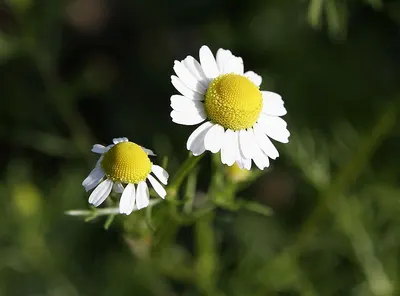
Chamomile Extract Apigenin 1.2%, 98
⚓ Harbor
Chamomile Extract Apigenin 1.2%, 98
Contact
MOQ: 1 Unit
Magnolol, Honokiol Magnolia Bark Extract
⚓ Harbor
Magnolol, Honokiol Magnolia Bark Extract
Contact
MOQ: 1 Unit
Resveratrol
⚓ Harbor
Resveratrol
Contact
MOQ: 1 Unit
Dihydromyricetin dmy
⚓ Harbor
Dihydromyricetin dmy
Contact
MOQ: 1 Unit
Ursolic acid
⚓ Harbor
Ursolic acid
Contact
MOQ: 1 Unit
Amygdalin
⚓ Harbor
Amygdalin
Contact
MOQ: 1 Unit
Corosolic Acid
⚓ Harbor
Corosolic Acid
Contact
MOQ: 1 Unit
Chlorogenic Acid
⚓ Harbor
Chlorogenic Acid
Contact
MOQ: 1 Unit

About Changsha Staherb Natural Ingredients Co., Ltd. - Herbal Extracts Supplier in China

Changsha Staherb Natural Ingredients Co., Ltd. is based in China and currently lists five active products in its catalogue. All five items belong to the herbal extracts category and are presented under the generic label of natural active compounds. The product list includes Chlorogenic Acid, Corosolic Acid, Amygdalin, Ursolic Acid and Dihydromyricetin (DMY). Each entry is recorded without additional specifications such as purity level or packaging format, reflecting the supplier’s concise catalogue. The supplier is classified as an imported tier with a harbor trust rating, indicating it operates through established trade channels in China.

The five listed extracts are typical plant‑derived substances that are usually classified under HS chapter 29, specifically HS 2933 for extracts of plants and parts thereof. In international trade these extracts are often required to meet pharmacopeial standards such as USP or EP, and buyers frequently request certificates of analysis confirming purity and contaminant limits. While the catalogue does not disclose individual HS codes, the products fall within the broader regulatory framework applied to botanical extracts. Export documentation from China normally includes a phytosanitary certificate and a declaration of compliance with Chinese export standards. Importers generally need to verify that the extracts comply with the destination country’s food, cosmetic or pharmaceutical regulations.

Product Range and Specialties of Changsha Staherb Natural Ingredients Co., Ltd.

The catalogue offers five distinct botanical acids and a flavonoid derivative: Chlorogenic Acid, Corosolic Acid, Amygdalin, Ursolic Acid and Dihydromyricetin. In the herbal‑extract market these compounds are commonly supplied at purity grades of 95 % - 99 % as determined by HPLC, with specifications for moisture content below 5 % and heavy‑metal limits below 10 ppm. Buyers also look for documentation of residual solvent levels that meet ICH Q3C limits. Typical packaging formats include 25 kg bulk drums for bulk buyers and 200 g or 500 g sealed glass vials for research and development customers. The product range therefore aligns with standard industry expectations for high‑purity botanical actives.

Trade and Export Information - Changsha Staherb Natural Ingredients Co., Ltd.

China is a major exporter of plant extracts, supplying Europe, North America and Southeast Asia with a steady flow of HS 2933‑classified goods. Export shipments are usually packed in 20‑foot or 40‑foot containers with inner cartons protected by moisture‑barrier liners to preserve stability. Buyers commonly require Good Manufacturing Practice (GMP) compliance, ISO 9001 quality‑management certification and, where applicable, Organic certification according to EU or USDA standards. Inspection agencies such as SGS or Bureau Veritas often perform pre‑shipment audits to verify label accuracy, purity claims and contaminant testing. Freight terms typically follow Incoterms FOB or CIF, with customs duties calculated on the HS code value plus any applicable anti‑dumping duties in the destination market.

Sourcing from Changsha Staherb Natural Ingredients Co., Ltd. - Buyer Guidance

When sourcing from Changsha Staherb, request a full Certificate of Analysis for each extract, including HPLC chromatograms, assay percentage, moisture, heavy‑metal and pesticide test results. Verify that the supplier can provide GMP‑type documentation or an ISO 9001 audit report, even if not explicitly listed in the catalogue. Ask for sample quantities (e.g., 100 g) to run independent verification of purity and stability before placing larger orders. Confirm packaging details, such as whether the product will be shipped in sealed drums or smaller vials, and ensure the packaging meets the moisture‑sensitivity requirements of the specific extract.

Frequently Asked Questions About Changsha Staherb Natural Ingredients Co., Ltd.

What herbal extracts does Changsha Staherb Natural Ingredients list in its catalogue?

The catalogue includes Chlorogenic Acid, Corosolic Acid, Amygdalin, Ursolic Acid and Dihydromyricetin (DMY). Each is presented as a separate botanical active compound.

Are purity specifications provided for these extracts?

Purity levels are not stated in the catalogue, so buyers should request a Certificate of Analysis that details assay percentage, typically expressed as a minimum of 95 % purity for high‑grade extracts.

Which HS code family do these products fall under?

Botanical extracts are generally classified under HS chapter 29, specifically HS 2933 for extracts of plants and parts thereof. This is the standard code used for customs clearance of such items.

What certifications are typically required for importing herbal extracts from China?

Importers usually ask for GMP compliance, ISO 9001 quality‑management certification and, where relevant, organic certifications (EU organic or USDA organic). Buyers should request copies of these certificates before finalising a contract.

What packaging formats are common for these types of extracts?

Typical packaging includes 25 kg bulk drums for large‑volume orders and sealed glass vials of 200 g or 500 g for research or small‑batch applications. Moisture‑barrier liners are often used inside the drums to protect the product.

What documentation should a buyer request before shipment?

Buyers should obtain a full Certificate of Analysis, a GMP or ISO 9001 audit report, a phytosanitary certificate, and a commercial invoice that lists the HS code and declared value.

Which markets commonly import Chinese herbal extracts?

European Union countries, the United States and Japan are the primary import markets for Chinese botanical extracts, driven by demand in nutraceutical, cosmetic and pharmaceutical sectors.

What are typical lead times for these extracts from China?

Lead times usually range from 30 to 45 days from order confirmation, depending on production scheduling, sample testing and the chosen Incoterm (FOB or CIF).

About Changsha Staherb Natural Ingredients Co., Ltd. - Herbal Extracts Supplier in China

Changsha Staherb Natural Ingredients Co., Ltd. is based in China and currently lists five active products in its catalogue. All five items belong to the herbal extracts category and are presented under the generic label of natural active compounds. The product list includes Chlorogenic Acid, Corosolic Acid, Amygdalin, Ursolic Acid and Dihydromyricetin (DMY). Each entry is recorded without additional specifications such as purity level or packaging format, reflecting the supplier’s concise catalogue. The supplier is classified as an imported tier with a harbor trust rating, indicating it operates through established trade channels in China.

The five listed extracts are typical plant‑derived substances that are usually classified under HS chapter 29, specifically HS 2933 for extracts of plants and parts thereof. In international trade these extracts are often required to meet pharmacopeial standards such as USP or EP, and buyers frequently request certificates of analysis confirming purity and contaminant limits. While the catalogue does not disclose individual HS codes, the products fall within the broader regulatory framework applied to botanical extracts. Export documentation from China normally includes a phytosanitary certificate and a declaration of compliance with Chinese export standards. Importers generally need to verify that the extracts comply with the destination country’s food, cosmetic or pharmaceutical regulations.

Product Range and Specialties of Changsha Staherb Natural Ingredients Co., Ltd.

The catalogue offers five distinct botanical acids and a flavonoid derivative: Chlorogenic Acid, Corosolic Acid, Amygdalin, Ursolic Acid and Dihydromyricetin. In the herbal‑extract market these compounds are commonly supplied at purity grades of 95 % - 99 % as determined by HPLC, with specifications for moisture content below 5 % and heavy‑metal limits below 10 ppm. Buyers also look for documentation of residual solvent levels that meet ICH Q3C limits. Typical packaging formats include 25 kg bulk drums for bulk buyers and 200 g or 500 g sealed glass vials for research and development customers. The product range therefore aligns with standard industry expectations for high‑purity botanical actives.

Trade and Export Information - Changsha Staherb Natural Ingredients Co., Ltd.

China is a major exporter of plant extracts, supplying Europe, North America and Southeast Asia with a steady flow of HS 2933‑classified goods. Export shipments are usually packed in 20‑foot or 40‑foot containers with inner cartons protected by moisture‑barrier liners to preserve stability. Buyers commonly require Good Manufacturing Practice (GMP) compliance, ISO 9001 quality‑management certification and, where applicable, Organic certification according to EU or USDA standards. Inspection agencies such as SGS or Bureau Veritas often perform pre‑shipment audits to verify label accuracy, purity claims and contaminant testing. Freight terms typically follow Incoterms FOB or CIF, with customs duties calculated on the HS code value plus any applicable anti‑dumping duties in the destination market.

Sourcing from Changsha Staherb Natural Ingredients Co., Ltd. - Buyer Guidance

When sourcing from Changsha Staherb, request a full Certificate of Analysis for each extract, including HPLC chromatograms, assay percentage, moisture, heavy‑metal and pesticide test results. Verify that the supplier can provide GMP‑type documentation or an ISO 9001 audit report, even if not explicitly listed in the catalogue. Ask for sample quantities (e.g., 100 g) to run independent verification of purity and stability before placing larger orders. Confirm packaging details, such as whether the product will be shipped in sealed drums or smaller vials, and ensure the packaging meets the moisture‑sensitivity requirements of the specific extract.

Frequently Asked Questions About Changsha Staherb Natural Ingredients Co., Ltd.
What herbal extracts does Changsha Staherb Natural Ingredients list in its catalogue?
The catalogue includes Chlorogenic Acid, Corosolic Acid, Amygdalin, Ursolic Acid and Dihydromyricetin (DMY). Each is presented as a separate botanical active compound.
Are purity specifications provided for these extracts?
Purity levels are not stated in the catalogue, so buyers should request a Certificate of Analysis that details assay percentage, typically expressed as a minimum of 95 % purity for high‑grade extracts.
Which HS code family do these products fall under?
Botanical extracts are generally classified under HS chapter 29, specifically HS 2933 for extracts of plants and parts thereof. This is the standard code used for customs clearance of such items.
What certifications are typically required for importing herbal extracts from China?
Importers usually ask for GMP compliance, ISO 9001 quality‑management certification and, where relevant, organic certifications (EU organic or USDA organic). Buyers should request copies of these certificates before finalising a contract.
What packaging formats are common for these types of extracts?
Typical packaging includes 25 kg bulk drums for large‑volume orders and sealed glass vials of 200 g or 500 g for research or small‑batch applications. Moisture‑barrier liners are often used inside the drums to protect the product.
What documentation should a buyer request before shipment?
Buyers should obtain a full Certificate of Analysis, a GMP or ISO 9001 audit report, a phytosanitary certificate, and a commercial invoice that lists the HS code and declared value.
Which markets commonly import Chinese herbal extracts?
European Union countries, the United States and Japan are the primary import markets for Chinese botanical extracts, driven by demand in nutraceutical, cosmetic and pharmaceutical sectors.
What are typical lead times for these extracts from China?
Lead times usually range from 30 to 45 days from order confirmation, depending on production scheduling, sample testing and the chosen Incoterm (FOB or CIF).

Changsha Staherb Natural Ingredients Co., Ltd.
Country flag China
⚓ HarborChemicals & Materials
55/100
Trust Score
8
Products
✓ Free to contact — no commission
✓ Escrow payment available
✓ Verified business identity
Compare more suppliers
Post a requirement — get 10 quotes free
Let verified suppliers compete for your business. Free, fast, no commitment.
Due Diligence
Verify this supplier's real shipping history.
Every shipment, every buyer, every port. Trade data that can't be faked.
Run due diligence →
Discover More

Related Suppliers & Products

Explore similar suppliers, related products and trending categories

Featured Products from this Supplier

Stay ahead in global trade
Weekly market insights & new supplier alerts.
EximNext
Exim Next is a leading global B2B marketplace, connecting over 220,000 registered suppliers and buyers across 200+ countries. As a trusted import export marketplace, it serves as the essential B2B portal for businesses worldwide, empowering them to expand their international reach. With Exim Next, businesses can trade smarter and grow faster.
SECURE PAYMENTS
VISAMastercardPayPalSWIFTL/CEscrow
Follow us
© 2026 EximNext