Beijing Richman Cashmere Co., Ltd — Supplier
About Beijing Richman Cashmere Co., Ltd - Cashmere & Wool Apparel Supplier in China
Beijing Richman Cashmere Co., Ltd operates from China and currently lists five distinct products in its catalogue. The portfolio includes raw cashmere fibre, finished cashmere jumpers, polo shirts, pashmina shawls, and merino wool sweaters. Each item falls under the broader category of luxury natural‑fiber apparel. The supplier’s catalogue does not provide further technical specifications. The active product count of five reflects a focused range rather than a broad mass‑market offering.
The listed products correspond to several HS code groups commonly used for natural‑fiber textiles. Raw cashmere fibre is classified under HS 5112, while knitted or crocheted garments such as cashmere jumpers and merino wool sweaters fall under HS 6103. Finished woven items like polo shirts are covered by HS 6105, and pashmina shawls, which are often treated as knitted garments, also use HS 6103. Buyers should verify the exact HS code during order confirmation to ensure correct customs treatment.
Product Range and Specialties of Beijing Richman Cashmere Co., Ltd
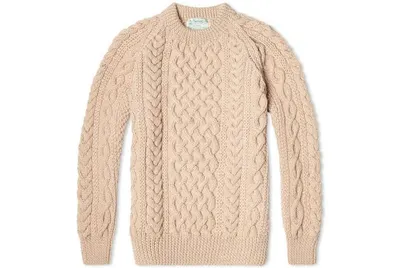
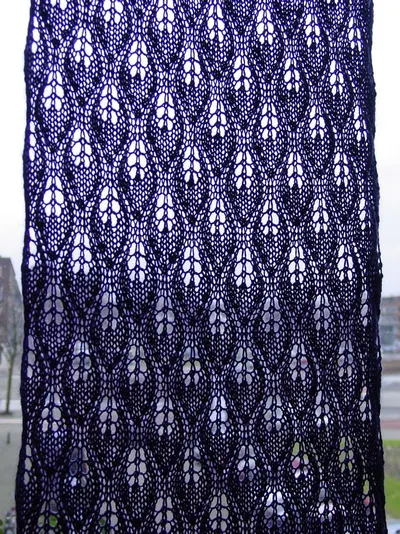
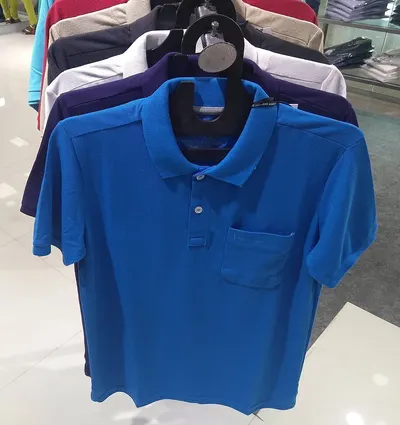
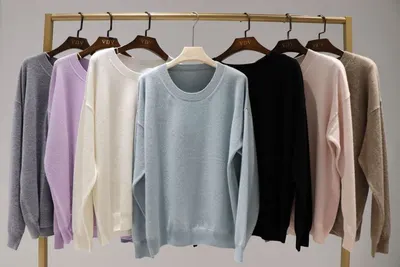
The catalogue comprises cashmere fibre, a cashmere jumper, a polo shirt, a pashmina shawl and a merino wool sweater. These items represent both raw material and finished apparel forms of high‑value animal fibres. The cashmere jumper and merino wool sweater are knitted garments, the polo shirt is a woven top, and the pashmina shawl is a hand‑finished accessory.
In the cashmere market, raw fibre is typically graded by micron diameter (16‑19 µm for fine cashmere) and staple length (30‑45 mm). Pashmina, a finer subset of cashmere, is usually under 15 µm and marketed in lightweight shawls. Merino wool garments are commonly evaluated for fiber fineness (17‑21 µm) and yarn count (e.g., 20‑30 Nm). Standard industry specifications also include moisture regain (≈12 %), colorfastness to washing (grade 4), and dimensional stability after laundering.
Trade and Export Information - Beijing Richman Cashmere Co., Ltd
China is a major exporter of natural‑fiber textiles, with cashmere and merino wool products shipped to Europe, North America, the Middle East and parts of Asia. HS 5112 (cashmere fibre) and HS 6103/6105 (knitted and woven garments) are routinely examined by customs for origin markings and tariff rates. Buyers often require certifications such as OEKO‑Tex Standard 100, ISO 9001 quality management, and, for organic claims, GOTS; these are not listed by the supplier but are typical for this product class. Export shipments from Chinese ports frequently use 20‑foot or 40‑foot containers, with fibre packed in vacuum‑sealed polybags and garments boxed in corrugated cartons. Common Incoterms include FOB Shanghai or CIF Hamburg, depending on buyer preference, and inspections may be carried out under CIQ or SGS protocols.
Typical importers of cashmere and merino wool include high‑end fashion brands, luxury retailers and specialty textile distributors. These buyers usually request pre‑shipment samples, laboratory test reports for micron count and tensile strength, and compliance documents for textile labeling regulations (e.g., EU Regulation 1007/2011 on fibre composition).
Sourcing from Beijing Richman Cashmere Co., Ltd - Buyer Guidance
When sourcing raw cashmere fibre, buyers should request a fibre analysis report that details micron range, staple length, and % of pure cashmere versus blends. For finished garments, specifications such as yarn count, gauge, colour fastness to light and washing, and garment dimensions are standard verification points. Requesting OEKO‑Tex or ISO 9001 certificates, even if not listed, helps confirm that the supplier follows recognized quality and safety processes.
MOQ for raw fibre is often expressed in kilograms, while finished garments are typically ordered in cartons of 12‑24 pieces. Lead times for knitted cashmere jumpers and merino wool sweaters can range from 30 to 45 days after sample approval, whereas woven polo shirts may be produced slightly faster. Buyers should confirm packaging details - vacuum‑sealed bags for fibre, double‑wall cartons for garments - and agree on an Incoterm that matches their logistics strategy.
Frequently Asked Questions About Beijing Richman Cashmere Co., Ltd
What product categories does Beijing Richman Cashmere Co., Ltd list?
The supplier lists five items: cashmere fibre, a cashmere jumper, a polo shirt, a pashmina shawl and a merino wool sweater.
Which HS codes are relevant to the listed products?
Cashmere fibre falls under HS 5112, knitted garments such as the cashmere jumper, merino sweater and pashmina shawl use HS 6103, and the woven polo shirt is classified under HS 6105.
What fibre quality parameters are typical for cashmere?
Buyers usually look for a micron diameter of 16‑19 µm, staple length of 30‑45 mm, and a cashmere content of at least 70 % in the final fibre batch.
Are any certifications commonly required for these goods?
Typical certifications include OEKO‑Tex Standard 100 for chemical safety, ISO 9001 for quality management, and GOTS if the product is marketed as organic. Buyers should request the relevant certificates from the supplier.
What sample and testing documents should a buyer ask for?
For raw fibre, a laboratory report showing micron distribution and cashmere percentage is standard. For garments, colour‑fastness to washing (grade 4) and dimensional stability test results are commonly requested.
What are typical minimum order quantities and lead times?
Raw cashmere fibre is often ordered in kilogram batches, while finished garments are usually ordered in cartons of 12‑24 pieces. Lead times range from 30 days for woven polo shirts to 45 days for knitted cashmere jumpers after sample approval.
How are the products usually packaged for export?
Cashmere fibre is typically vacuum‑sealed in multi‑layer polybags, and garments are packed in double‑wall corrugated cartons, often stacked on pallets for container loading.
Which markets commonly import Chinese cashmere and merino wool products?
Major import markets include the European Union, the United States, the United Arab Emirates and Japan, where luxury apparel manufacturers and specialty retailers source these natural‑fiber goods.




 , China