Atha — Verified Supplier

About Atha - Multi‑Category Supplier in India

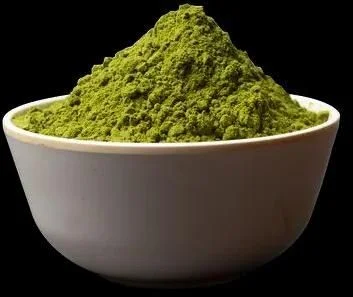
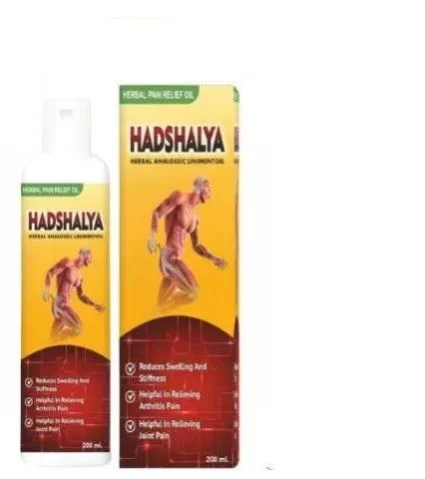
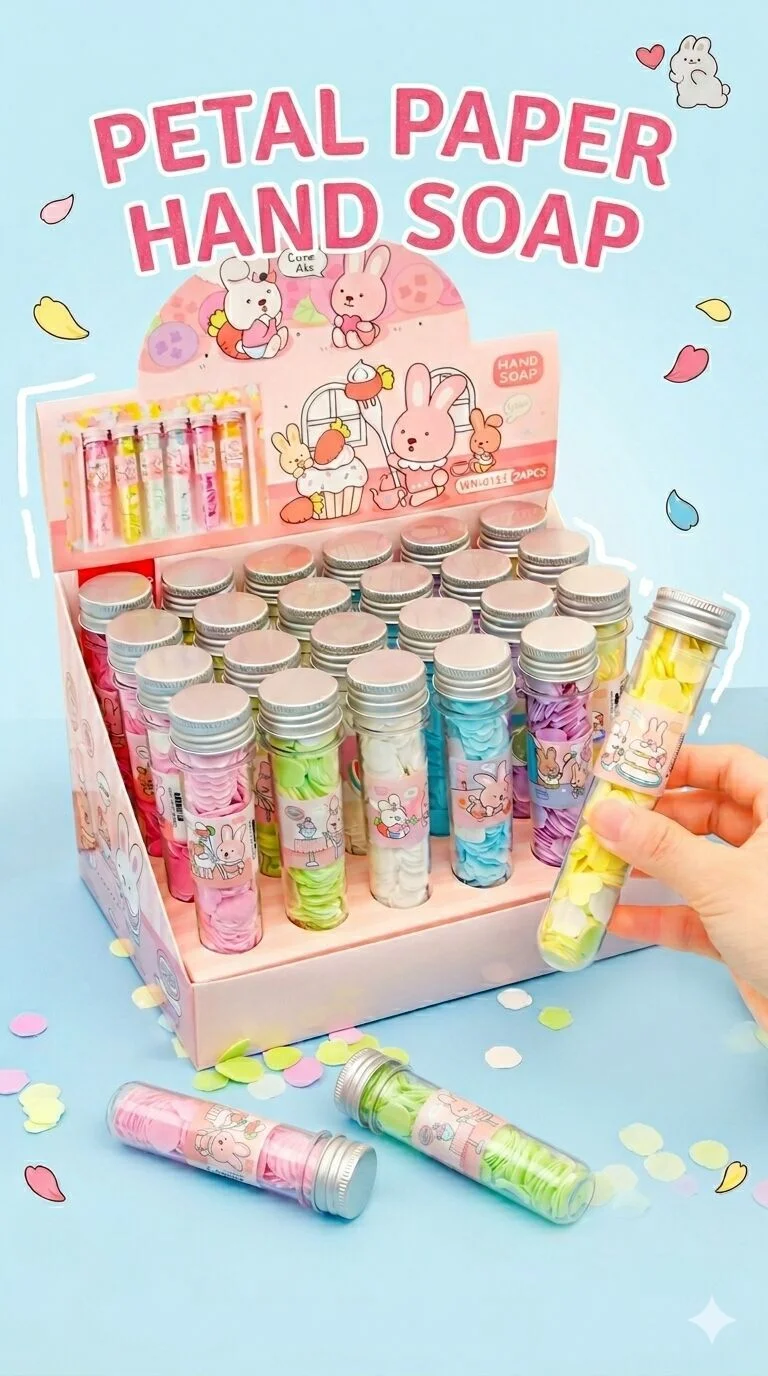
Atha is based in India and currently lists six active products across four primary categories. The catalogue covers incense sticks, butter soap, jute products, embroidered bed sheets, massage oils and tea, each assigned to the relevant HS‑code families such as 3307 for aromatic products, 5304 for jute textiles and 0902 for tea leaves. The supplier is classified as an imported tier with a harbor trust rating, indicating that it operates through established import channels. Buyers can see a concise product set that spans fragrance, textile, personal‑care and beverage segments, all sourced from Indian manufacturers. The six items are presented without additional brand claims. Incense sticks are offered as traditional aromatic sticks, butter soap as a solid cleansing bar, jute products likely include bags or fabrics, embroidered bed sheets as home textiles, massage oils as liquid personal‑care formulations, and tea as dried leaf commodity. No HS code is listed in the facts, but each product aligns with standard international tariff headings used for these goods.

Product Range and Specialties of Atha

The catalogue’s incense sticks fall under the common HS 3307 heading for perfumery and aromatic preparations. In the market these sticks are graded by stick length (typically 10‑15 cm), burn time (30‑45 minutes) and fragrance concentration measured in % essential oil. Jute products are classified under HS 5304 and are evaluated by fabric weight (gsm) and tensile strength, with common grades ranging from 150 gsm to 300 gsm for bags and twine. Massage oils belong to HS 3307 as well; buyers usually request specifications such as oil purity (≥ 95 % natural base), viscosity (cSt at 25 °C) and absence of heavy metals. Indian tea is recorded under HS 0902 and is commonly sorted into grades like FT (Fine Tea) or BOP (Broken Orange Pekoe) with moisture content below 5 % and leaf size specifications in millimetres. These industry parameters help buyers compare Atha’s items with global standards and assess suitability for retail, hospitality or export markets.

Trade and Export Information - Atha

India is a major exporter of incense, jute textiles, essential‑oil‑based personal‑care products and tea. Typical import destinations include the United States, the European Union, the Middle East and Southeast Asia. HS 3307 products such as incense sticks and massage oils are often subject to fragrance ingredient declarations and may require compliance with REACH or the US EPA Toxic Substances Control Act. Jute goods under HS 5304 are frequently shipped in 20‑ft or 40‑ft containers, packed in breathable burlap or polypropylene bags to prevent moisture ingress. Indian tea (HS 0902) is usually exported in bulk in 25 kg cartons, with phytosanitary certificates and, for organic variants, Global Organic Textile Standard (GOTS) or USDA Organic proof. Buyers should anticipate FOB or CIF terms, with standard packaging of 100‑piece packs for incense, 1 kg jars for massage oil, and 10‑kg bales for jute fabrics. Inspection agencies such as SGS or Bureau Veritas commonly perform pre‑shipment checks for pesticide residues in tea and heavy‑metal limits in oils.

Sourcing from Atha - Buyer Guidance

When sourcing from Atha, request a product data sheet that includes dimensions, material composition and any applicable test reports. For incense sticks ask for burn‑time data, fragrance concentration and compliance with ISO 11092 for indoor air quality. Jute products should be accompanied by tensile‑strength test results and GSM measurements. Massage oil buyers need a Certificate of Analysis confirming oil purity, peroxide value and absence of prohibited substances. Tea purchasers should obtain a phytosanitary certificate, moisture analysis and, if required, an organic certification audit report. Verify that packaging meets the buyer’s logistics plan - e.g., sealed foil‑lined bags for tea to maintain freshness, or stack‑able cartons for incense. Confirm the supplier’s ability to meet typical MOQ levels such as 10 000 incense sticks, 500 kg of jute fabric, 200 L of massage oil or 2 tonnes of tea, and clarify lead times ranging from 15 to 45 days depending on product. Before finalising orders, ask for a third‑party inspection report and confirm the Incoterm (FOB, CIF) that will govern freight responsibilities.

Frequently Asked Questions About Atha

What HS codes apply to Atha’s incense sticks and massage oils?

Incense sticks and massage oils are generally classified under HS 3307, which covers perfumery and aromatic preparations.

Which certifications should a buyer request for the tea product?

Buyers typically request a phytosanitary certificate, a Certificate of Analysis for pesticide residues, and, for organic tea, an organic certification such as GOTS or USDA Organic.

What are the common specifications for jute products exported from India?

Jute textiles are usually measured by GSM (150‑300 gsm) and tensile strength (MPa). Buyers often ask for test reports confirming these parameters.

How is the burn time of incense sticks usually verified?

Manufacturers provide burn‑time data measured in minutes per stick, often confirmed by an independent laboratory following ISO 11092 guidelines.

What packaging formats are typical for Indian tea shipments?

Tea is commonly packed in 25 kg cartons or bulk sacks, sealed in moisture‑proof liners and placed in 20‑ft or 40‑ft containers.

What documentation is needed for massage oil imports?

A Certificate of Analysis indicating oil purity, peroxide value and heavy‑metal limits, together with a Safety Data Sheet, is standard.

Which regions most frequently import Indian jute products?

The European Union, the United States and Middle Eastern countries are the largest import markets for Indian jute textiles and bags.

What Incoterms are usually used for shipments from India?

FOB (Free on Board) and CIF (Cost, Insurance, Freight) are the most common Incoterms for Indian exporters across these product categories.


Featured Products from this Supplier

EximNext
58.5K+ live requirements
Register Free🎁 Reach verified global buyers
Post Requirement
🌍 Trusted by 224.6K+ businesses in 200+ countries|
58.5K+ active requirements right now
✉️ [email protected]
|
Sell on EximNextPost Requirement
EximNext
AgricultureApparelConstructionElectronicFoodHomeIndustrialMineralsMiscellaneous
🔥 Deals|✨ AI Match|🏭 Suppliers|📋 Buy Leads|💰 Trade Finance
58.5K+ live RFQs·194.6K+ suppliers
🎁 Reach global buyers →
EximNext
EximNext
Register Free
🎁 Reach verified global buyers
Sign In
📋Post Requirement💬Get QuotesAI Match📋RFQ Marketplace
All Categories
Services & Tools
🏭Supplier Directory🔥Today's Deals💰Trade Finance
Sell on EximNext
AboutContactBlogHelp
🏭

Atha

Harbor
Country flag , India
🛡️
55/100
Trust Score

Atha Product Catalog

Showing 6 of 6 products
View all products →
Tea
Harbor
Tea
Contact
MOQ: 1 Unit
Massage oils
Harbor
Massage oils
Contact
MOQ: 1 Unit
Jute products
Harbor
Jute products
Contact
MOQ: 1 Unit
Embroided bed sheets
Harbor
Embroided bed sheets
Contact
MOQ: 1 Unit
Butter soap
Harbor
Butter soap
Contact
MOQ: 1 Unit
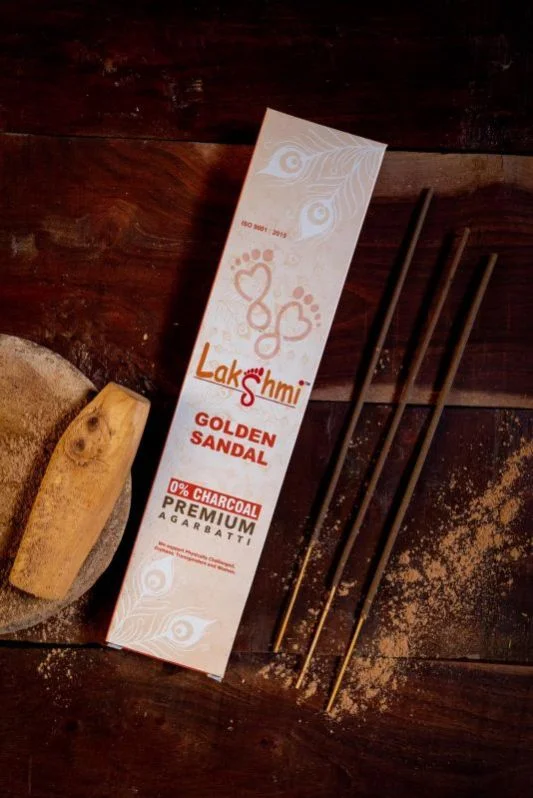
Incense sticks
Harbor
Incense sticks
Contact
MOQ: 1 Unit

About Atha - Multi‑Category Supplier in India

Atha is based in India and currently lists six active products across four primary categories. The catalogue covers incense sticks, butter soap, jute products, embroidered bed sheets, massage oils and tea, each assigned to the relevant HS‑code families such as 3307 for aromatic products, 5304 for jute textiles and 0902 for tea leaves. The supplier is classified as an imported tier with a harbor trust rating, indicating that it operates through established import channels. Buyers can see a concise product set that spans fragrance, textile, personal‑care and beverage segments, all sourced from Indian manufacturers. The six items are presented without additional brand claims. Incense sticks are offered as traditional aromatic sticks, butter soap as a solid cleansing bar, jute products likely include bags or fabrics, embroidered bed sheets as home textiles, massage oils as liquid personal‑care formulations, and tea as dried leaf commodity. No HS code is listed in the facts, but each product aligns with standard international tariff headings used for these goods.

Product Range and Specialties of Atha

The catalogue’s incense sticks fall under the common HS 3307 heading for perfumery and aromatic preparations. In the market these sticks are graded by stick length (typically 10‑15 cm), burn time (30‑45 minutes) and fragrance concentration measured in % essential oil. Jute products are classified under HS 5304 and are evaluated by fabric weight (gsm) and tensile strength, with common grades ranging from 150 gsm to 300 gsm for bags and twine. Massage oils belong to HS 3307 as well; buyers usually request specifications such as oil purity (≥ 95 % natural base), viscosity (cSt at 25 °C) and absence of heavy metals. Indian tea is recorded under HS 0902 and is commonly sorted into grades like FT (Fine Tea) or BOP (Broken Orange Pekoe) with moisture content below 5 % and leaf size specifications in millimetres. These industry parameters help buyers compare Atha’s items with global standards and assess suitability for retail, hospitality or export markets.

Trade and Export Information - Atha

India is a major exporter of incense, jute textiles, essential‑oil‑based personal‑care products and tea. Typical import destinations include the United States, the European Union, the Middle East and Southeast Asia. HS 3307 products such as incense sticks and massage oils are often subject to fragrance ingredient declarations and may require compliance with REACH or the US EPA Toxic Substances Control Act. Jute goods under HS 5304 are frequently shipped in 20‑ft or 40‑ft containers, packed in breathable burlap or polypropylene bags to prevent moisture ingress. Indian tea (HS 0902) is usually exported in bulk in 25 kg cartons, with phytosanitary certificates and, for organic variants, Global Organic Textile Standard (GOTS) or USDA Organic proof. Buyers should anticipate FOB or CIF terms, with standard packaging of 100‑piece packs for incense, 1 kg jars for massage oil, and 10‑kg bales for jute fabrics. Inspection agencies such as SGS or Bureau Veritas commonly perform pre‑shipment checks for pesticide residues in tea and heavy‑metal limits in oils.

Sourcing from Atha - Buyer Guidance

When sourcing from Atha, request a product data sheet that includes dimensions, material composition and any applicable test reports. For incense sticks ask for burn‑time data, fragrance concentration and compliance with ISO 11092 for indoor air quality. Jute products should be accompanied by tensile‑strength test results and GSM measurements. Massage oil buyers need a Certificate of Analysis confirming oil purity, peroxide value and absence of prohibited substances. Tea purchasers should obtain a phytosanitary certificate, moisture analysis and, if required, an organic certification audit report. Verify that packaging meets the buyer’s logistics plan - e.g., sealed foil‑lined bags for tea to maintain freshness, or stack‑able cartons for incense. Confirm the supplier’s ability to meet typical MOQ levels such as 10 000 incense sticks, 500 kg of jute fabric, 200 L of massage oil or 2 tonnes of tea, and clarify lead times ranging from 15 to 45 days depending on product. Before finalising orders, ask for a third‑party inspection report and confirm the Incoterm (FOB, CIF) that will govern freight responsibilities.

Frequently Asked Questions About Atha

What HS codes apply to Atha’s incense sticks and massage oils?

Incense sticks and massage oils are generally classified under HS 3307, which covers perfumery and aromatic preparations.

Which certifications should a buyer request for the tea product?

Buyers typically request a phytosanitary certificate, a Certificate of Analysis for pesticide residues, and, for organic tea, an organic certification such as GOTS or USDA Organic.

What are the common specifications for jute products exported from India?

Jute textiles are usually measured by GSM (150‑300 gsm) and tensile strength (MPa). Buyers often ask for test reports confirming these parameters.

How is the burn time of incense sticks usually verified?

Manufacturers provide burn‑time data measured in minutes per stick, often confirmed by an independent laboratory following ISO 11092 guidelines.

What packaging formats are typical for Indian tea shipments?

Tea is commonly packed in 25 kg cartons or bulk sacks, sealed in moisture‑proof liners and placed in 20‑ft or 40‑ft containers.

What documentation is needed for massage oil imports?

A Certificate of Analysis indicating oil purity, peroxide value and heavy‑metal limits, together with a Safety Data Sheet, is standard.

Which regions most frequently import Indian jute products?

The European Union, the United States and Middle Eastern countries are the largest import markets for Indian jute textiles and bags.

What Incoterms are usually used for shipments from India?

FOB (Free on Board) and CIF (Cost, Insurance, Freight) are the most common Incoterms for Indian exporters across these product categories.

About Atha - Multi‑Category Supplier in India

Atha is based in India and currently lists six active products across four primary categories. The catalogue covers incense sticks, butter soap, jute products, embroidered bed sheets, massage oils and tea, each assigned to the relevant HS‑code families such as 3307 for aromatic products, 5304 for jute textiles and 0902 for tea leaves. The supplier is classified as an imported tier with a harbor trust rating, indicating that it operates through established import channels. Buyers can see a concise product set that spans fragrance, textile, personal‑care and beverage segments, all sourced from Indian manufacturers. The six items are presented without additional brand claims. Incense sticks are offered as traditional aromatic sticks, butter soap as a solid cleansing bar, jute products likely include bags or fabrics, embroidered bed sheets as home textiles, massage oils as liquid personal‑care formulations, and tea as dried leaf commodity. No HS code is listed in the facts, but each product aligns with standard international tariff headings used for these goods.

Product Range and Specialties of Atha

The catalogue’s incense sticks fall under the common HS 3307 heading for perfumery and aromatic preparations. In the market these sticks are graded by stick length (typically 10‑15 cm), burn time (30‑45 minutes) and fragrance concentration measured in % essential oil. Jute products are classified under HS 5304 and are evaluated by fabric weight (gsm) and tensile strength, with common grades ranging from 150 gsm to 300 gsm for bags and twine. Massage oils belong to HS 3307 as well; buyers usually request specifications such as oil purity (≥ 95 % natural base), viscosity (cSt at 25 °C) and absence of heavy metals. Indian tea is recorded under HS 0902 and is commonly sorted into grades like FT (Fine Tea) or BOP (Broken Orange Pekoe) with moisture content below 5 % and leaf size specifications in millimetres. These industry parameters help buyers compare Atha’s items with global standards and assess suitability for retail, hospitality or export markets.

Trade and Export Information - Atha

India is a major exporter of incense, jute textiles, essential‑oil‑based personal‑care products and tea. Typical import destinations include the United States, the European Union, the Middle East and Southeast Asia. HS 3307 products such as incense sticks and massage oils are often subject to fragrance ingredient declarations and may require compliance with REACH or the US EPA Toxic Substances Control Act. Jute goods under HS 5304 are frequently shipped in 20‑ft or 40‑ft containers, packed in breathable burlap or polypropylene bags to prevent moisture ingress. Indian tea (HS 0902) is usually exported in bulk in 25 kg cartons, with phytosanitary certificates and, for organic variants, Global Organic Textile Standard (GOTS) or USDA Organic proof. Buyers should anticipate FOB or CIF terms, with standard packaging of 100‑piece packs for incense, 1 kg jars for massage oil, and 10‑kg bales for jute fabrics. Inspection agencies such as SGS or Bureau Veritas commonly perform pre‑shipment checks for pesticide residues in tea and heavy‑metal limits in oils.

Sourcing from Atha - Buyer Guidance

When sourcing from Atha, request a product data sheet that includes dimensions, material composition and any applicable test reports. For incense sticks ask for burn‑time data, fragrance concentration and compliance with ISO 11092 for indoor air quality. Jute products should be accompanied by tensile‑strength test results and GSM measurements. Massage oil buyers need a Certificate of Analysis confirming oil purity, peroxide value and absence of prohibited substances. Tea purchasers should obtain a phytosanitary certificate, moisture analysis and, if required, an organic certification audit report. Verify that packaging meets the buyer’s logistics plan - e.g., sealed foil‑lined bags for tea to maintain freshness, or stack‑able cartons for incense. Confirm the supplier’s ability to meet typical MOQ levels such as 10 000 incense sticks, 500 kg of jute fabric, 200 L of massage oil or 2 tonnes of tea, and clarify lead times ranging from 15 to 45 days depending on product. Before finalising orders, ask for a third‑party inspection report and confirm the Incoterm (FOB, CIF) that will govern freight responsibilities.

Frequently Asked Questions About Atha
What HS codes apply to Atha’s incense sticks and massage oils?
Incense sticks and massage oils are generally classified under HS 3307, which covers perfumery and aromatic preparations.
Which certifications should a buyer request for the tea product?
Buyers typically request a phytosanitary certificate, a Certificate of Analysis for pesticide residues, and, for organic tea, an organic certification such as GOTS or USDA Organic.
What are the common specifications for jute products exported from India?
Jute textiles are usually measured by GSM (150‑300 gsm) and tensile strength (MPa). Buyers often ask for test reports confirming these parameters.
How is the burn time of incense sticks usually verified?
Manufacturers provide burn‑time data measured in minutes per stick, often confirmed by an independent laboratory following ISO 11092 guidelines.
What packaging formats are typical for Indian tea shipments?
Tea is commonly packed in 25 kg cartons or bulk sacks, sealed in moisture‑proof liners and placed in 20‑ft or 40‑ft containers.
What documentation is needed for massage oil imports?
A Certificate of Analysis indicating oil purity, peroxide value and heavy‑metal limits, together with a Safety Data Sheet, is standard.
Which regions most frequently import Indian jute products?
The European Union, the United States and Middle Eastern countries are the largest import markets for Indian jute textiles and bags.
What Incoterms are usually used for shipments from India?
FOB (Free on Board) and CIF (Cost, Insurance, Freight) are the most common Incoterms for Indian exporters across these product categories.

🏭
Atha
Country flag , India
Harbor
55/100
Trust Score
📦
6
Products
Free to contact — no commission
Escrow payment available
Verified business identity
Compare more suppliers
Post a requirement — get 10 quotes free
Let verified suppliers compete for your business. Free, fast, no commitment.
EximNext Verified Supplier
Business identity verified
Physical address confirmed
Financial history checked
Certifications authenticated
Trade references validated
Due Diligence
Verify this supplier's real shipping history.
Every shipment, every buyer, every port. Trade data that can't be faked.
Run due diligence →
Discover More

Related Suppliers & Products

Explore similar suppliers, related products and trending categories

Featured Products from this Supplier

Stay ahead in global trade
Weekly market insights & new supplier alerts.
EximNext
Exim Next is a leading global B2B marketplace, connecting over 205,000 verified suppliers and buyers across 200+ countries. As a trusted import export marketplace, it serves as the essential B2B portal for businesses worldwide, empowering them to expand their international reach. With Exim Next, businesses can trade smarter and grow faster.
SECURE PAYMENTS
VISAMastercardPayPalSWIFTL/CEscrow
Follow us
© 2026 EximNext