Agriculture›
 Apparel and fashion accessories›
 Construction & real estate›💡Electronic & Electrical›🍎Food & Beverages›🛋️Home furnishing & supplies›⚗️Industrial goods & chemical›🪨Minerals & metals›📦Miscellaneous›Agriculture›Apparel and fashion accessories›Construction & real estate›💡Electronic & Electrical›🍎Food & Beverages›🛋️Home furnishing & supplies›⚗️Industrial goods & chemical›🪨Minerals & metals›📦Miscellaneous›
Global Children Footwear Manufacturers, Suppliers & Wholesale Directory
Source Children Footwear products from global suppliers on EximNext
Trending Wholesale Children Footwear Products
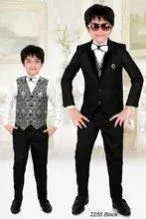
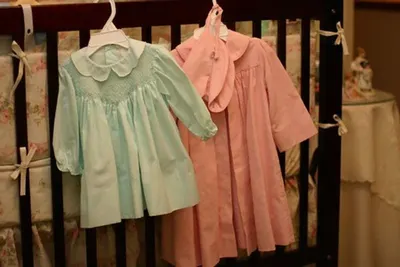
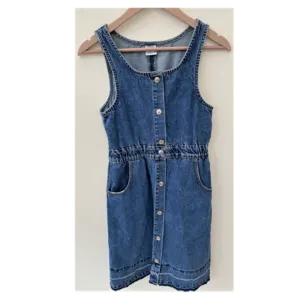
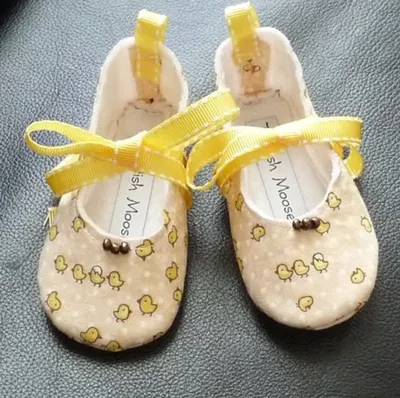
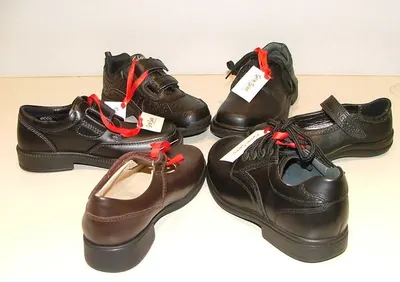
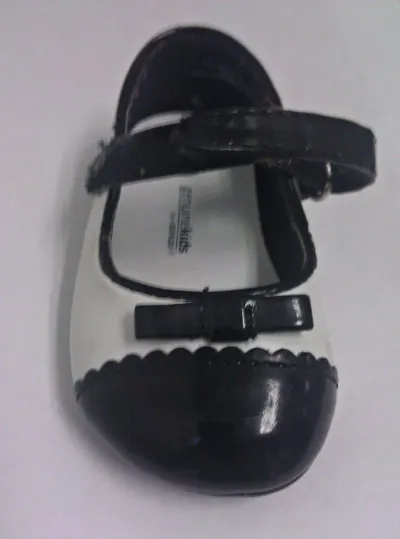
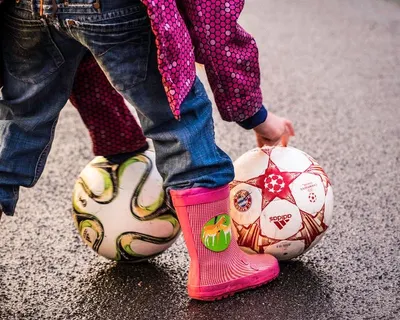
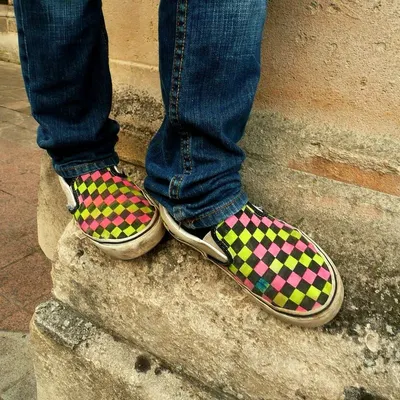
Wholesale Children Footwear Industry Overview and Global Market Insights
Wholesale children footwear sits within the broader Garment Fashion Accessories category, sourced for use across fashion retail, home-textile distribution, hospitality supply, uniform and workwear manufacturing, and converter mills. In customs terms children footwear is classified under HS Chapters 50 to 63, with cotton in Chapter 52, man-made filaments and staple fibres in Chapters 54 and 55, knitted apparel in Chapter 61, and woven apparel in Chapter 62, so the exact specification and tariff line matter from the first inquiry. Buyers source against fibre composition, construction, and shade, so tech packs, lab dips, colour-fastness data, and an approved pre-production sample drive sign-off, and minimum order quantities track fabric and dye-lot economics. The Children Footwear directory on EximNext surfaces suppliers across grades and variants, so importers can drill from broad industry view down to specific specification within a few clicks. The buyer profile on this page covers brand owners, distributors, manufacturers, trading houses, and procurement teams searching for reliable bulk supply, transparent specification, and credentials before they release a purchase order. Listings show supplier location, business type, the products handled, and where available certification and inspection signals, so buyers can shortlist on verifiable capability rather than self-claimed marketing copy. Filters let importers narrow on origin country, business type (manufacturer, exporter, trading company), verification status, and certification, so the shortlist that goes into a request for quotation reflects the criteria that matter to that specific buyer. The directory also surfaces related sub-categories, recently posted buy leads, and the questions and live sourcing activity further down this page, which together help a buyer benchmark an offer before sending a request for quotation.
How to Buy Children Footwear in Bulk from Manufacturers, Suppliers and Exporters
Suppliers preparing a bulk children footwear quotation should be ready to disclose fibre composition, GSM or yarn count where applicable, ply, weave or knit structure, color shade with Pantone or Lab reference, color fastness ratings against washing, rubbing, and light, dimensional shrinkage after wash, and tensile or tear strength. Buyers evaluate offers on the transparency and completeness of this specification disclosure before they move to price comparison, so structured spec sheets convert measurably better than ad-hoc reply messages. Compliance documentation buyers expect on wholesale children footwear shipments includes OEKO-TEX Standard 100, GOTS for organic claims, BCI for sustainable sourcing, Sedex SMETA for ethical audit, and ZDHC where restricted-substances compliance is required. Third-party verification from SGS, Bureau Veritas, Intertek, or accredited regional laboratories strengthens the offer and is normally a condition precedent under L/C documents. Bulk packaging is normally individual polybag with size and shade tickets, packed into bar-coded export cartons (typically 30 to 50 units per carton depending on product weight), stacked on heat-treated pallets and loaded into 20-foot or 40-foot FCL configurations with care labels and country-of-origin labels conforming to the destination market's regulations. Trade terms most often negotiated on wholesale children footwear orders include FOB at the supplier's nearest export port, CIF at the buyer's nominated discharge port, and occasionally CFR or EXW depending on the buyer's logistics preference. Quote Incoterms 2020 explicitly in every offer to remove ambiguity over risk transfer. Payment instruments commonly accepted are irrevocable L/C at sight or 30 to 90 day usance, T/T with 30 percent advance and 70 percent balance against scanned shipping documents, and platform-mediated escrow for first-time supplier pairings. Production and consolidation lead time for bulk children footwear typically runs 30 to 60 days from order confirmation including pre-production sample approval, with peak-season programs running longer. A complete first response covers specification compliance against the buyer's note, indicative price with a validity window, MOQ, packaging, port of dispatch, lead time, and certification copies, which together let the buyer evaluate the offer against the rest of the shortlist without a back-and-forth clarification round.
Import Children Footwear: HS Code, FOB Pricing, MOQ and Top Exporting Countries
Wholesale children footwear is classified under HS Chapters 50 to 63, with cotton in Chapter 52, man-made filaments and staple fibres in Chapters 54 and 55, knitted apparel in Chapter 61, and woven apparel in Chapter 62. Buyers and suppliers should agree the correct ten-digit national tariff line with a licensed customs broker in the destination market before shipment, since duty rates can vary materially across sub-headings, and the HS code declared on the commercial invoice, packing list, and certificate of origin must remain consistent for one-pass clearance. The leading commercial export origins for children footwear are concentrated in China, Bangladesh, India, Vietnam, Turkey, and Pakistan, and shipments to importers worldwide commonly load through Shanghai, Chittagong, Mumbai, Ho Chi Minh City, and Istanbul, depending on the supplier's facility location and the buyer's preferred routing. FOB pricing for wholesale children footwear varies by grade, packaging configuration, certification load, origin country, and order volume; suppliers should quote a defensible FOB number with a clear validity window (commonly 7 to 15 days) and disclose what triggers a re-quote, such as a significant change in raw input cost or a request for additional certification. Minimum order quantities run from full container loads for bulk commodity-grade material down to smaller carton-level quantities for specialty or high-value processed grades, with most suppliers willing to negotiate a trial-order arrangement on the first transaction. Ocean transit times to importing markets vary by routing through transshipment hubs, with intra-regional lanes typically running two to three weeks and longer transcontinental routings running four to six weeks port to port. Buyers comparing offers across multiple origins should normalize quotes to a common Incoterm (FOB or CIF at the same nominated discharge port) before ranking, so freight, insurance, and local handling differences do not distort what is actually a specification or quality difference between suppliers. Quality benchmarks that drive price differentiation include certification depth, third-party inspection scope, batch documentation, and the supplier's verifiable export history into the buyer's destination market, all of which the EximNext directory surfaces alongside the basic listing so buyers can evaluate against the full picture rather than headline FOB alone.
Global Children Footwear Products Wholesale Price List
Indicative FOB-level wholesale prices for children footwear products currently listed by suppliers on EximNext. Figures are seller-quoted and carry their own validity window, so confirm a live quote before ordering. Click any product for full specifications, MOQ, and supplier contact.
| # | Product | HS Code | Origin | Supplier | Indicative Price (FOB) |
|---|---|---|---|---|---|
| 1 | Y100 SAFETY SHOES | 6403.91 | Turkey | BOTSAN AYAK.TEKS.POLI.PLS.SAN.TIC.LTD.STI | $14.00 - $22.00 / pair |
| 2 | kids jeans | 6203.42 | India | D.K Cotton Care | 4.62 USD price |
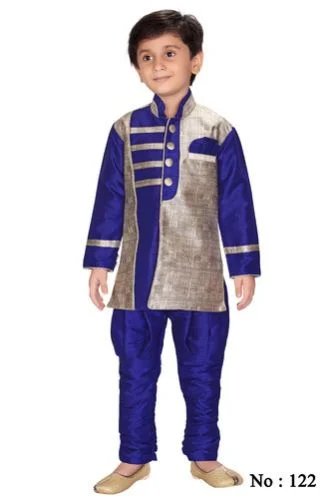
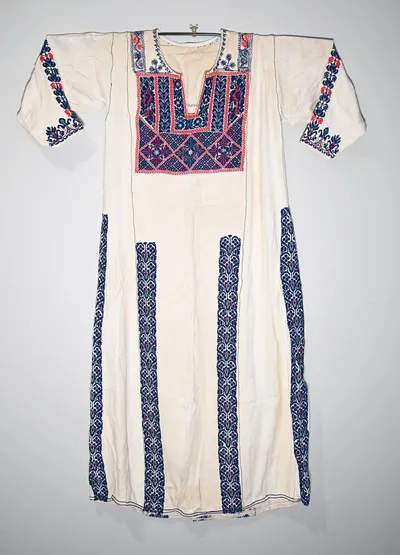
| 3 | Kids Indian Wear | 1101 | India | Ram satguru fashion wear | $12 / Pieces |
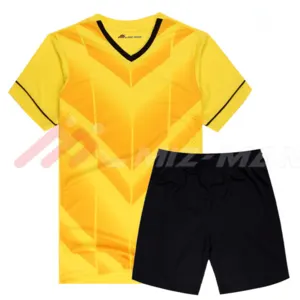
| 4 | Kids Sublimation Soccer Uniform | 6112.12 | Pakistan | Miz-Man Mfg Corp | $10 / Pieces |
| 5 | HARRY CHILDREN GOWN Blue | 6204.42 | India | Maruti Fashion | $45 / Pieces |
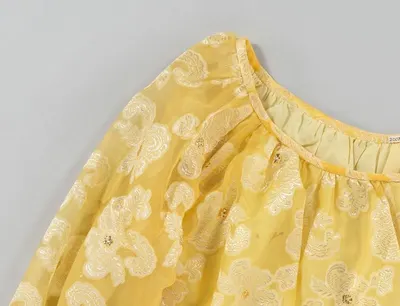
| 6 | HARRY CHILDREN GOWN Yellow | 6111.20 | India | Maruti Fashion | $45 / Pieces |
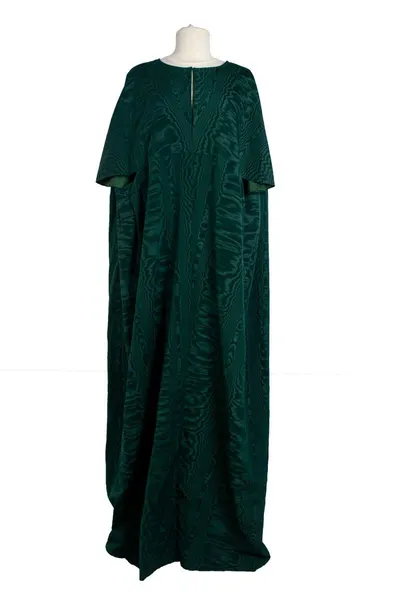
| 7 | HARRY CHILDREN GOWN Green | 6204.42 | India | Maruti Fashion | $45 / Pieces |
| 8 | Shinchan Soft Toys for Kids | 9503.41 | Lavanya Enterprises | $0.6 / Pieces | |
| 9 | Shein shoes for children | 6403.20 | Spain | Original Stock Barcelona SL | $3.14 / Other |
| 10 | Girl's printed legging | 6114.20 | Bangladesh | Koala Fashion & Design | $1.80 |
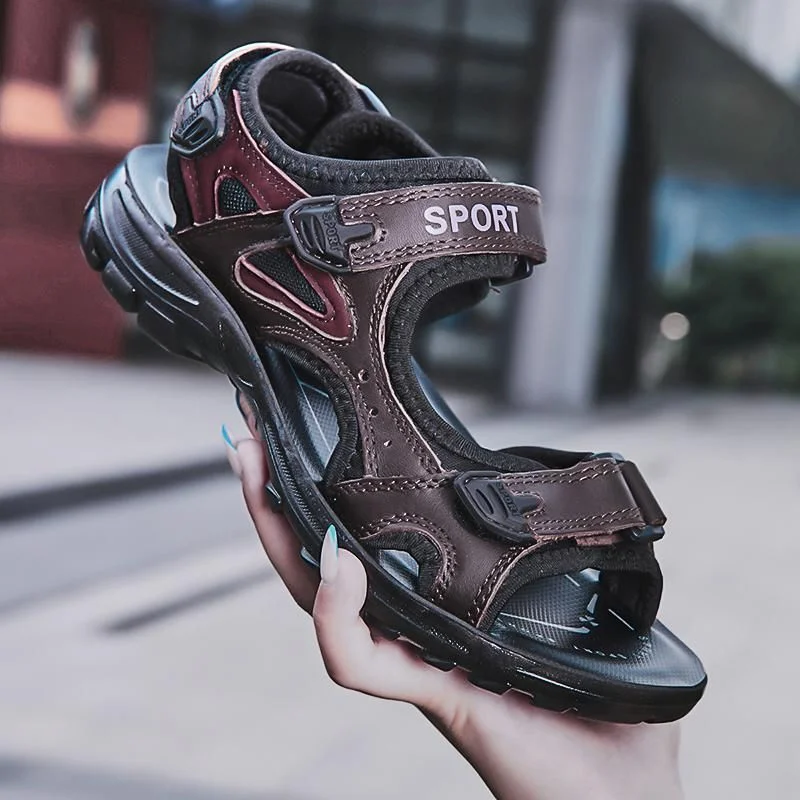
| 11 | Kids sandals | 6402.91 | Ukraine | Protectonic LLC | $3.50 - $8.50 / pair FOB |
| 12 | Kids wear | 6109.10 | India | Siddharth Enterprises | $0.85 - $2.20 / Piece |
| 13 | KIDS COTTON FROCKS | 6204.42 | India | GARMENTS DEAL | $2.5 / Carton |
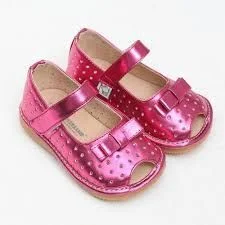
| 14 | Baby shoe #06-53101--6 | 6404.19 | P & Q International Co. | $6.00 - $12.00 / Pair | |
| 15 | Kids shoes | 6404.11 | UBM China | $4.50 - $12.00 / Pair | |
| 16 | Kids Shoes | 6404.11 | Huasheng Shoe Co., Ltd. | $8 - $25 / Pair | |
| 17 | Little Princess Shoe For Age 3 To 9 | 6403.99 | Shenzhen Ho's Trade Co.,Ltd. | $15 / Bags | |
| 18 | Children shoes | 6402.91 | Synergy Trading Co., Ltd | $8 - $30 / Pair | |
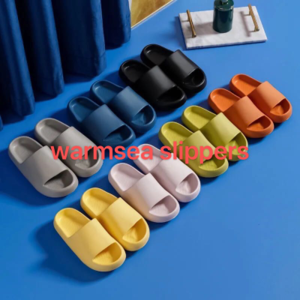
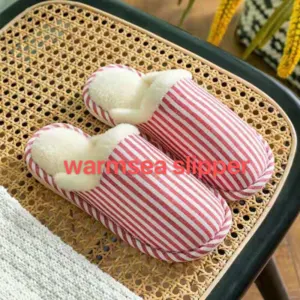
| 19 | Girls winter indoor warm slippers | 6404.20 | China | Warmsea Trade Co., Ltd. | $93.75 / Carton |
Frequently Asked Questions About Wholesale Children Footwear Sourcing
What HS code applies to wholesale children footwear imports?
What is the typical FOB price band for bulk children footwear?
Which countries are the leading global exporters of children footwear?
What pre-shipment inspection scope is standard for children footwear?
What is the typical ocean transit time for children footwear shipments?
What certifications and quality documentation do buyers expect for children footwear?
How should bulk children footwear be packed for FCL ocean shipment?
What customs documentation is required to clear a wholesale children footwear shipment?
How are pre-shipment samples handled on wholesale children footwear orders?
What payment terms work best for first-time children footwear sourcing?
Explore Children Footwear
Hand-picked products and suppliers across children footwear